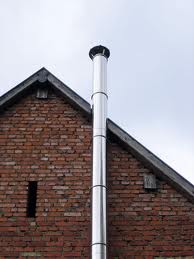
Eine Edelstahlschornstein Befestigung wird als zusammenhängender Last- und Führungsweg geplant. Untergrund, Wandabstand, freie Höhe und Verlauf bestimmen gemeinsam, welche Klassen von Haltern, Konsolen oder Abstützungen gebraucht werden.
Read MoreInfo
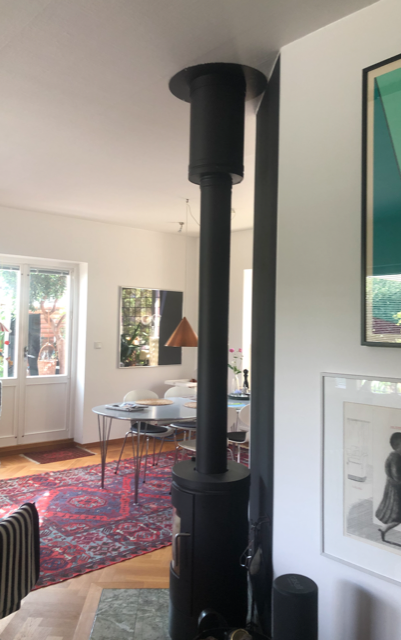
Ein aufgesetzter Schornstein beginnt auf einer tragenden Fläche des Gebäudes, statt vom Boden an der Außenwand aufzusteigen. Vor der Systemwahl müssen Aufstellpunkt, Lastabtragung, Verlauf und Zugang gemeinsam geklärt sein.
Read MoreBeim Thema Schornstein Flachdach wird die Höhe nicht am tatsächlichen Dach gemessen. Die 1. BImSchV rechnet mit einem gedachten First bei 20 Grad Neigung, und die Mündung muss ihn um mindestens 40 Zentimeter überragen.
Read More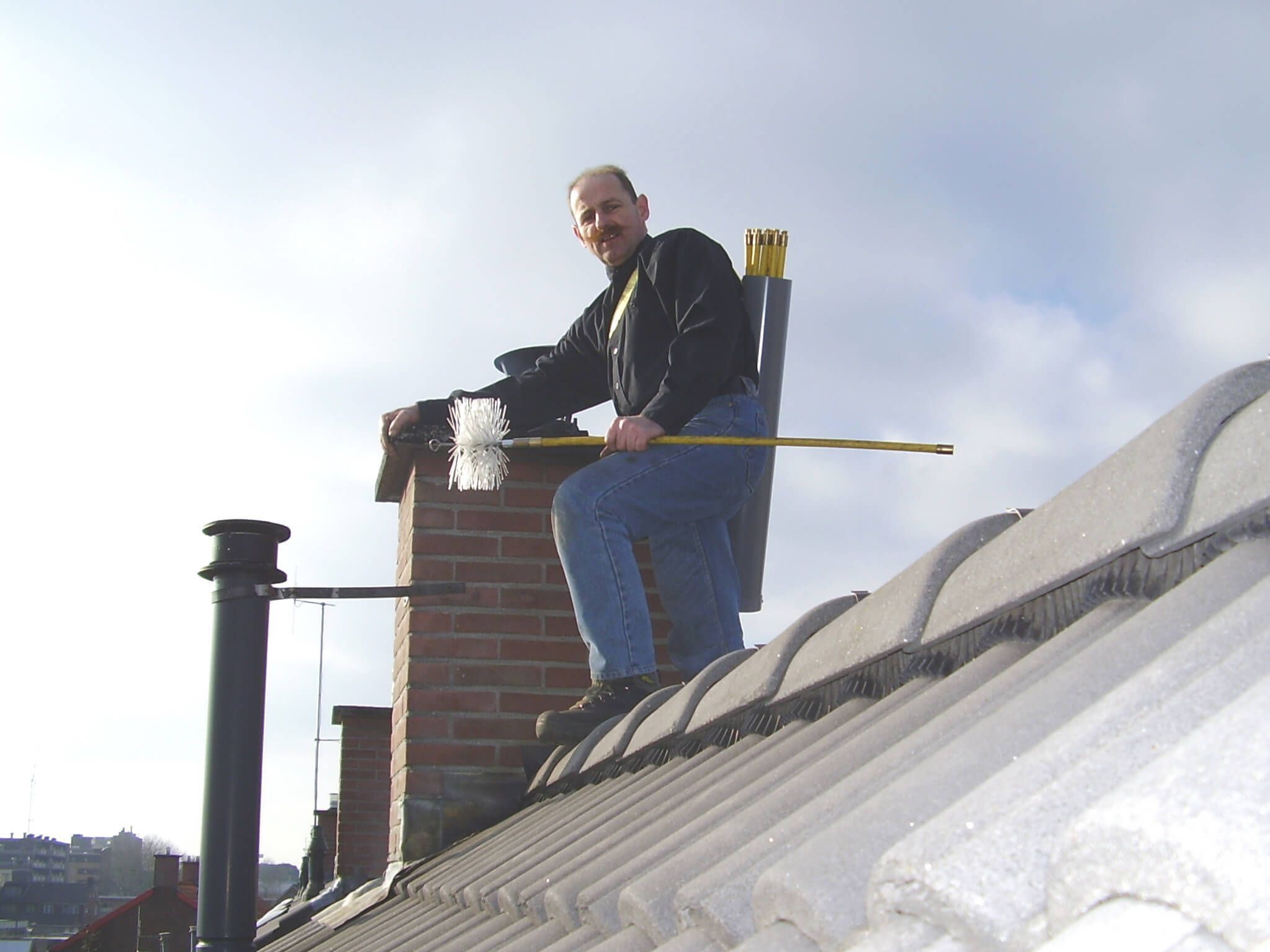
Den Schornstein reinigen zu lassen ist Ihre Pflicht als Eigentümer: Sie müssen die vorgeschriebene Reinigung und Überprüfung veranlassen. Beauftragen dürfen Sie damit jeden Schornsteinfegerbetrieb, der in der Handwerksrolle eingetragen ist.
Read MoreWer handwerklich geschickt ist, kann den Schornstein selbst verkleiden. Man sollte jedoch keine Höhenangst haben, da diese Arbeit oft in größerer Höhe stattfindet. In vielen Fällen ist es aber notwendig, dass mehrere Personen mithelfen.
Read More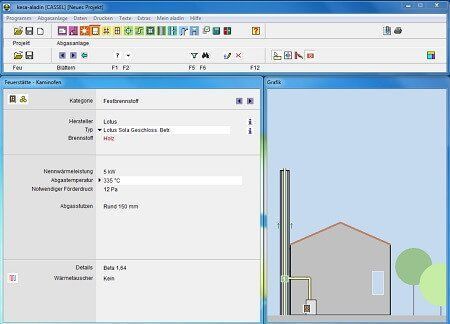
Die Querschnittsberechnung eines Schornsteins ist ein oft unterschätztes, aber wesentliches Verfahren. Dabei geht es weit über die einfache Optimierung des Rauchabzugs hinaus. Im Wesentlichen stellt diese Berechnung sicher, dass gefährliche Gase und Rauch effizient und sicher aus Ihrem Wohnraum abgeleitet werden.
Read MoreIm Oktober 2021 wurde eine Änderung der Verordnung im Bundesgesetzblatt veröffentlicht. Die wichtigste Änderung dabei war:
Die Mündung neu errichteter Schornsteine muss über dem höchsten Punkt des Daches, dem Dachfirst, angebracht werden.
Read More.jpg)
In nur fünf einfachen Schritten können Sie Ihren Ofen selbst installieren und anschließen. Trotzdem sollten Sie auf das Wissen eines Schornsteinfegers nicht verzichten. Die offizielle Abnahme durch einen Schornsteinfegermeister vor der ersten Nutzung ist gesetzlich vorgeschrieben.
Read MoreA chimney installation is three parts in a fixed order: stove pipe inside the room, insulated Class A chimney through the building, a termination above the roof. Decide the route first and the parts list and the height both follow from it.
Read MorePick the flashing by roof pitch, not by pipe brand. Measure the pitch, match the flashing band to it, and treat the flashing, storm collar and radiation shield as one set rather than three separate buys.
Read More