Carbon monoxide (chemical formula CO) is a poisonous, colorless, odorless, tasteless, flammable gas that is slightly less dense than air. Carbon monoxide is harmful when breathed because it displaces oxygen in the blood and deprives the heart, brain, and other vital organs of oxygen. Large amounts of CO can overcome a person in minutes without warning — causing loss of consciousness and suffocation. 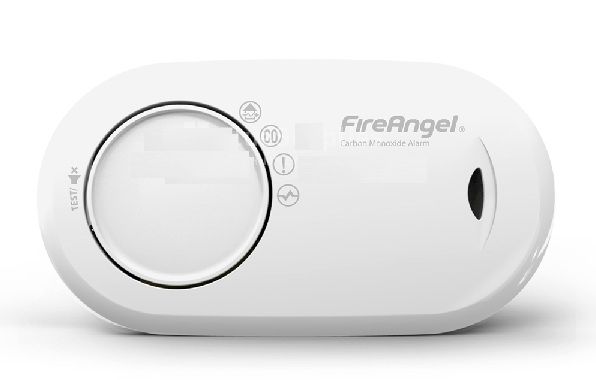
It should be noted that this requirement does not extend to several HUD programs following NSPIRe standards.
HUD notes that the 2021 Consolidated Appropriations Act only adds carbon monoxide-related requirements to the HUD programs listed above and the USDA programs authorized by sections 514 and 515 of the Housing Act of 1949. HUD programs such as HUD-insured housing are not subject to an assistance contract, and the ESG, CoC, HOME, and HTF programs are not subject to statutory requirements concerning carbon monoxide detection._
The standards for CO alarm and detection in this protocol are based on Chapters 9 and 11 of the 2018 International Fire Code (IFC) publication published by the International Code Council (ICC). Where NPSIRE is non-specific (e.g., design, installation, type of equipment), ICC and IBC would be the governing standard unless the local code is more stringent. The essentials of these codes are listed below.
- “Carbon Monoxide Detection shall be installed in dwelling units containing a fuel-burning appliance or a fireplace.” IFC – Chapter 9, Section 915.1.2 – Locations
- “Carbon Monoxide detection shall be included in any dwelling units with attached private garages” IFC, Chapter 9, Section 915.1.5 Private Garages.
- “Carbon Monoxide detectors shall be installed in dwelling units outside each sleeping area and in the immediate vicinity of the bedroom. If a fuel-burning appliance is installed in the bedroom, a CO detector must be installed in the bedroom” Section 915.2.1.
- If a fuel-burning appliance is located in an attic, then treat the attic space as a mechanical room.
What kind of CO alarms are required?
- Carbon Monoxide detectors shall receive their primary power from the building’s wiring. When the primary power service is interrupted, they are serviced by a battery (i.e., a detector must be hard-wired and have a battery backup). Section 915.4.1 Power Source
- The exception to Hard-Wiring: ICC Chapter 11 – 1103.09 Carbon Monoxide Alarms can be exclusively battery operated where the code in effect at the time of construction did not require carbon monoxide detectors to be provided.
- The CO alarms must meet the UL 2034 standard for sensitivity and UL 217. When purchasing CO alarms, ensure they meet these standards for sensitivity. Combination smoke and CO alarms must comply with UL2075 and UL268.
- IFC does not specify where CO detectors should be installed. Installation should follow the manufacturer’s specifications. If no specifications can be located, the best practice is to install CO detectors approximately 5’ from the floor and not within 6” of a conjoining wall. If wall placement is not feasible, place them on the ceiling no less than 6” from any wall. If the CO alarm is combined with a smoke alarm, follow the correct smoke alarm placement.
Where to install them?
Proper placement of a carbon monoxide (CO) detector is important. If you are installing only one carbon monoxide detector, the Consumer Product Safety Commission (CPSC) recommends it be located near the sleeping area, where it can wake you if you are asleep. Additional detectors on every level and in every bedroom of a home provide extra protection against carbon monoxide poisoning.