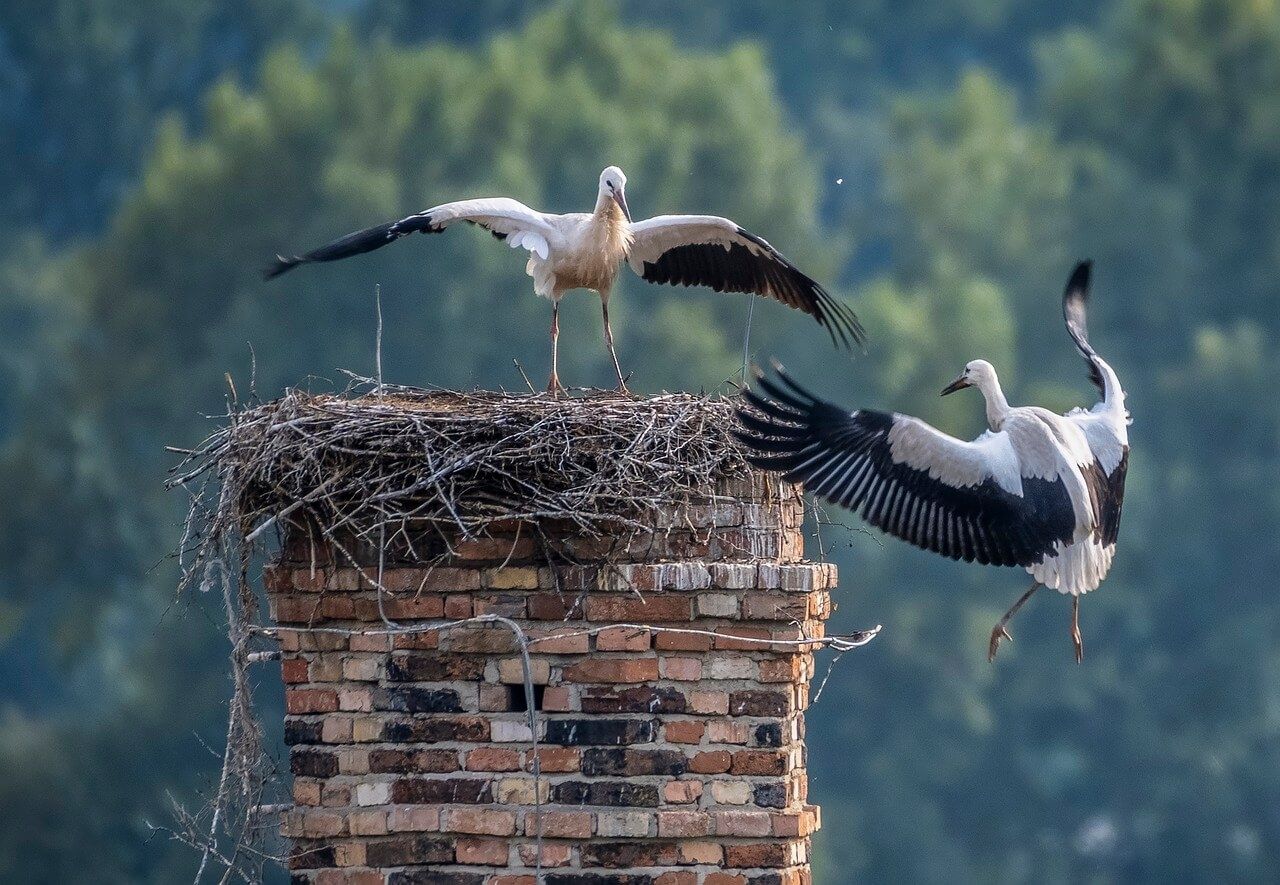
Bird nests inside chimneys are a serious fire hazard, especially when combined with creosote buildup — a highly flammable byproduct of burning wood. In this guide, we explain how to safely remove birds from your chimney and how to keep them out for good.
Key Takeaways
- Bird nesting season in the U.S. runs from February through August.
- It’s illegal to remove or disturb active bird nests with eggs or chicks.
- Use chimney guards (bird cowls) to prevent nesting in the first place.
- If birds are nesting, wait until the chicks leave before removing the nest.
Why Do Birds Nest in Chimneys?
Birds are drawn to chimneys because they provide warmth and protection from the elements. Common culprits in the U.S. include starlings, swallows, sparrows, pigeons, and even owls in rare cases. These birds can easily block your chimney pipe with nesting material, increasing the risk of carbon monoxide buildup and chimney fires.
Signs You Have a Bird Nest in Your Chimney
- Chirping or fluttering sounds from inside the flue.
- Debris like twigs and leaves falling into your fireplace.
- Bird droppings in the fireplace or on the roof.
- Dead birds found in or near the chimney.
Can You Remove a Bird Nest from a Chimney?
Only if the nest is inactive. U.S. federal laws, such as the Migratory Bird Treaty Act, prohibit disturbing active nests with eggs or chicks.
If birds are nesting in your chimney:
- Wait until the young birds have left the nest (usually by late summer).
- Do not use the fireplace while birds are present.
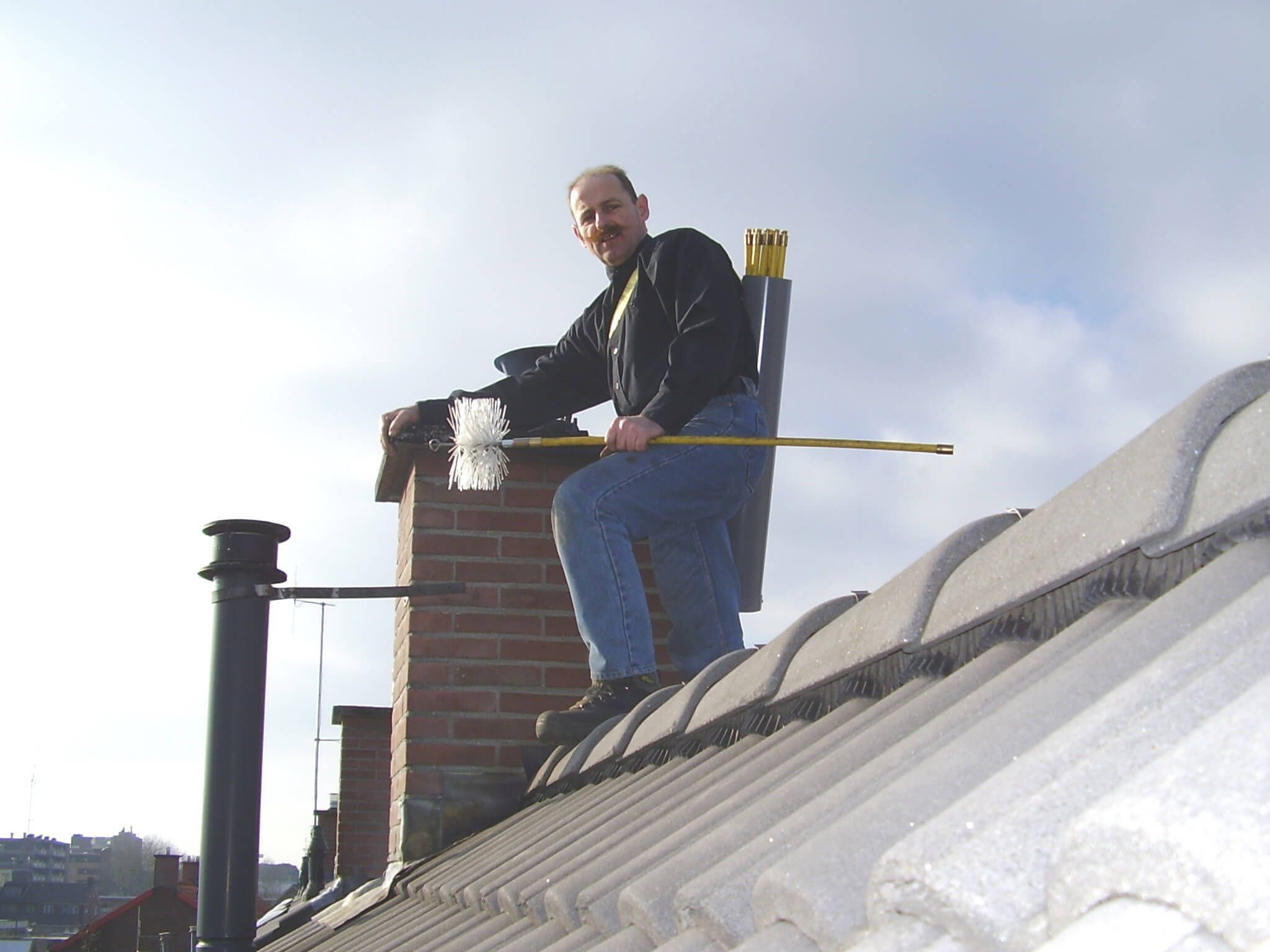
- Hire a professional to remove the empty nest and clean the flue.
- Install a bird guard to prevent future nesting.
How to Prevent Birds from Nesting in Your Chimney
- Install a Chimney Cap or Bird Cowl: The most effective long-term solution. Choose a screened cap that allows proper venting but keeps birds out.
- Annual Chimney Sweeping: Have your chimney cleaned before nesting season starts (February–March).
- Bird Spikes: Can deter perching and nesting on the chimney crown or cap.
Final Thoughts
Bird nests in chimneys are dangerous — but also avoidable. Preventative tools like chimney caps and regular maintenance are key. If birds are already nesting, you’ll need to wait for the breeding cycle to end before removal. Once cleared, install a proper bird guard to ensure your chimney stays safe and functional.
Need help finding the right bird guard for your chimney? Contact us or browse our FAQ for guidance.