Pellet vent is not interchangeable with the Class A insulated chimney pipe used for wood stoves. This guide covers the codes that apply, how to size your vent, the installation paths available, and the most common mistakes to avoid.
What Is a Pellet Stove?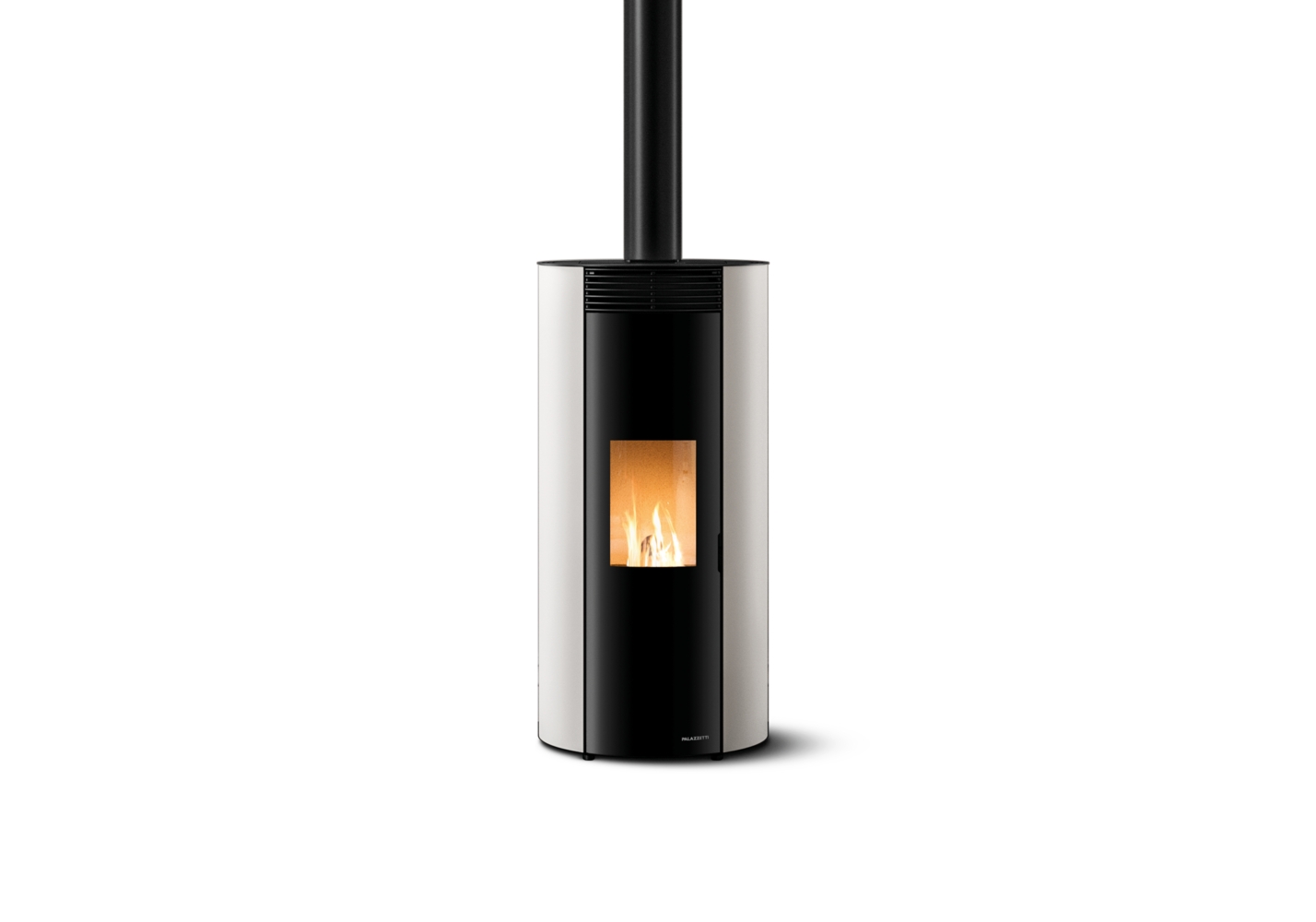
A pellet stove is a heating appliance that burns compressed wood pellets rather than firewood, gas, or oil. The stove feeds pellets automatically from a hopper into the burn pot, and a small electric blower forces combustion air through the burning fuel. Because the burn is fan-assisted, pellet stoves produce cooler flue gases than wood stoves and create slight positive pressure in the vent, which means the vent system has different requirements.
Modern pellet stoves are EPA certified and burn cleaner than older wood appliances. They're a good fit for U.S. homes that want supplemental heat without the maintenance of a traditional wood stove.
Do Pellet Stoves Need a Chimney?
Not in the traditional sense. A pellet stove does not need a masonry chimney or a Class A insulated chimney pipe. It does need a way to vent combustion gases out of the home, and that's what pellet vent is for. You can:
- Run the vent horizontally through an exterior wall and terminate with a pellet vent cap
- Run the vent vertically through the ceiling and roof, like a traditional chimney
- Use an existing masonry chimney as a chase, with pellet vent running inside it
Horizontal termination is the option that makes pellet stoves easier to install than wood stoves. You don't need to extend a chimney above the roof.
Pellet Vent vs Class A Chimney Pipe vs B Vent
These three vent types look superficially similar but are tested to different temperature standards and are not interchangeable:
- PL vent / Type L vent (UL 641): For pellet, corn, and some oil-fired appliances. Smaller diameter, double-wall, rated for lower flue gas temperatures.
- Class A insulated chimney pipe (UL 103 HT): For solid fuel (wood, coal) appliances. Larger diameter, heavier insulation, rated for high temperatures up to 2100 F.
- B vent: For natural draft gas appliances only. Not rated for solid fuel and not safe for pellet or wood.
You can use Class A pipe for a pellet stove (it exceeds the requirement) but you cannot use pellet vent for a wood stove. Pellet vent is not rated for wood stove temperatures.
Sizing Your Pellet Vent
Most U.S. residential pellet stoves use a 3 inch or 4 inch vent. Match the appliance flue collar diameter and follow the manufacturer's instructions, which often include a sizing table based on:
- Total vent length (horizontal plus vertical)
- Number of elbows and tees
- Elevation above sea level (thinner air at altitude needs larger vent)
- BTU output of the stove
The basic rule: a 3 inch vent suffices for short runs at standard elevation with small to medium stoves. For longer runs, higher BTU stoves, or installs above roughly 3,000 feet elevation, the manufacturer typically requires stepping up to 4 inch.
Three Common Installation Paths
1. Horizontal Through an Exterior Wall
The most common pellet stove install. The vent exits the back or side of the stove, runs horizontally through the exterior wall, then turns up the outside of the house for a short vertical rise. The vent terminates with a listed pellet vent cap. The vertical rise helps maintain natural draft if the stove's fan stops during a power outage.
2. Vertical Through the Ceiling and Roof
The vent runs straight up from the stove through the ceiling, attic, and roof. Best for installations where a clean vertical line is available. This setup gives the strongest draft and is the easiest to clean. It requires a ceiling support box and roof flashing, similar to a Class A chimney install.
3. Through an Existing Masonry Chimney
Pellet vent can run inside an existing masonry chimney as a liner. The chimney itself acts as a chase. This is a good choice when retrofitting a pellet stove into a home that already has a usable masonry chimney.
U.S. Codes That Apply
Three documents govern pellet stove installation in the United States:
- UL 641: The Underwriters Laboratories safety standard for Type L pellet vent. Any pellet vent you install must carry this listing.
- NFPA 211: The National Fire Protection Association standard for chimneys, fireplaces, vents, and solid fuel-burning appliances. Covers clearances, supports, and termination requirements.
- IRC (International Residential Code): Adopted in most U.S. states. Sections covering vent systems apply to pellet vent as well as wood chimneys.
The stove manufacturer's installation instructions are also enforceable. A listed pellet stove must be installed exactly as the manufacturer specifies, including the brand and listing of the vent system. Mixing brands is a common reason installs fail inspection.
Clearances and Termination Rules
Pellet vent runs with significantly smaller clearances than Class A chimney pipe. Most listings allow 1 to 3 inch clearance to combustibles, but always check the specific product label. Termination has its own rules:
- The vent cap must be at least 12 inches above grade (snow line in many states means higher)
- At least 3 feet from any door or window that opens
- At least 1 foot above any other forced air intake within 10 feet horizontally
- Cannot terminate under a deck, porch overhang, or other obstruction
Local codes may be stricter, especially in jurisdictions with cold winters where snow drift can block low terminations.
Common Pellet Vent Mistakes
- Mixing brands: Pellet vent listings only apply when components from the same manufacturer are used together. Inspectors will check this.
- Using B vent or Class A inappropriately: B vent is unsafe for pellet stoves. Class A works but is unnecessarily expensive.
- Skipping the outdoor vertical rise: Even on horizontal terminations, a short vertical rise helps natural draft during power loss.
- Terminating too low: Snow, debris, and small animals will block a low termination. Plan for the climate.
- Forgetting power: Pellet stoves need electricity to feed pellets and run the fan. Plan an outlet within reach of the stove or install one.
Frequently Asked Questions
Do pellet stoves need a chimney?
Not in the traditional sense. Pellet stoves vent through a pellet vent system, also called Type L vent or PL vent, which is rated for the lower flue gas temperatures pellet stoves produce. The vent can exit through a wall and run up the outside of the house, or go vertically through the ceiling and roof. A masonry chimney is not required.
Can I use Class A chimney pipe for a pellet stove?
You can, but it's overkill and more expensive than necessary. Class A is rated for the higher temperatures of wood-burning appliances. Pellet stoves burn cooler, so UL 641 listed Type L pellet vent is the correct and cost-effective choice. Never go the other direction: do not use pellet vent for a wood stove.
What size pellet vent do I need?
Most U.S. residential pellet stoves use 3 inch or 4 inch pellet vent. Always match the appliance flue collar diameter and follow the stove manufacturer's instructions. Longer horizontal runs, higher elevations, or higher BTU outputs may require an increase from 3 inch to 4 inch.
What is the difference between PL vent and Type L vent?
PL vent is specifically designed for pellet and corn-burning appliances and is listed to UL 641. Type L vent is a broader category that includes pellet and other oil-fired appliances. PL vent is the more specific and more common choice for pellet stoves in the U.S.
Can a pellet vent terminate horizontally through a wall?
Yes. Pellet stoves can vent horizontally through an exterior wall and terminate with a listed pellet vent cap. This is one of the main advantages over wood stoves, which generally require a tall vertical chimney. Even with horizontal termination, most installs include some vertical rise outside for natural draft backup.
Need Help with a Pellet Stove Install?
Pellet vent is a different product category from the wood-burning systems we focus on. If you're choosing between a pellet stove and a wood stove, or planning a wood stove install where a pellet stove was previously, see our related guides: Do Pellet Stoves Need a Chimney?, What Is Class A Insulated Chimney Pipe?, and our main chimney pipe guide for wood burning stoves. For Class A chimney pipe, stove pipe, and complete chimney kits, browse our Class A range or contact us for advice.