Ready to reline? Our 316Ti chimney liner kits ship year-round with free shipping. Not sure which size? Our flue design service is free.
A stainless steel chimney liner creates a sealed, insulated passage for exhaust gases and protects the chimney structure from heat, moisture, and corrosion. Below are the five most common situations that call for a new liner.
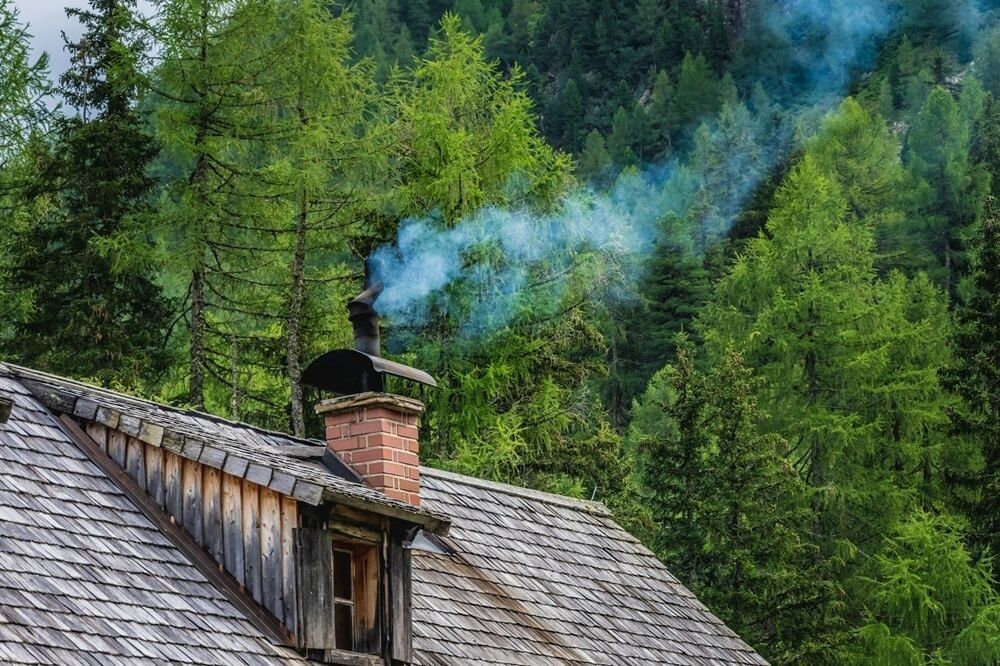
Five Warning Signs You Need a Chimney Liner
| Warning Sign | What It Means | What to Do |
|---|---|---|
| Crumbling mortar or spalling bricks | Heat and moisture are attacking the chimney walls | Install a stainless steel liner to protect the masonry |
| Smoke backup into the house | Blockage, wrong size, or structural damage reducing draft | Inspect, clean, and reline with the correct diameter |
| Rust stains on the chimney exterior | Internal corrosion from condensation | Replace old liner with stainless steel + insulation |
| New stove or fuel type | Old liner may not match new appliance requirements | Size and install a new liner matched to the appliance |
| Chimney over 30 years old | May be unlined or have outdated clay tiles | Have it inspected and reline with modern materials |
1. Deteriorating Chimney Structure
Over time, heat, moisture, and creosote attack the inside of your chimney. In an unlined or clay-lined chimney, mortar cracks, bricks loosen, and the chimney walls absorb acidic condensation from combustion gases. Signs to watch for:
- Crumbling or missing mortar joints visible inside the firebox or at the chimney top
- Spalling bricks (flaking or chipping on the chimney exterior)
- Efflorescence (white powder on the outside of the chimney, caused by moisture pushing through the masonry)
- Hollow sounds when you tap chimney bricks (indicating loose or deteriorated material behind the surface)
A stainless steel liner creates a barrier between the hot exhaust gases and the masonry, stopping further damage and extending the life of the chimney structure.
2. Smoke Backup or Weak Draft
If smoke enters your home instead of going up the chimney, your existing liner may be blocked, damaged, or the wrong size. Common causes include creosote buildup restricting airflow, fallen debris or loose masonry blocking the flue, bird nests or animal obstructions, or a liner that is too large for your appliance (oversized flues cause weak draft). A new liner sized to match your stove restores proper draft. For more on how draft works and why it matters, see our guide on why you should insulate your chimney liner.
3. Water Damage Signs
Water is one of the biggest enemies of a chimney system. Without a proper liner, moisture from rain, snow, and combustion condensation attacks the masonry from the inside. Signs of water damage include:
- Rust stains on the chimney exterior or inside the firebox
- Mold or mildew spots around the chimney area
- Damp or musty smell coming from the fireplace
- Water pooling in the firebox after rain
A stainless steel liner with proper insulation keeps condensation from forming inside the chimney, and a rain cap at the top keeps rain out.
4. New Appliance or Fuel Change
Switching to a new wood stove, pellet stove, or gas insert often means your existing liner no longer matches. High-efficiency appliances produce cooler exhaust gases, which increases condensation in an uninsulated or oversized flue. The new appliance manufacturer will specify the required liner diameter and type. Always match the liner to the appliance to get proper draft and safe operation. For help connecting a new liner to your stove, see our guide on connecting a chimney liner to stove pipe.
5. Older Chimneys (30+ Years)
Many chimneys built before the 1970s were constructed without any liner at all, or with clay tile liners that crack and deteriorate over decades. If your home has a chimney that is 30 or more years old, have it inspected by a certified chimney sweep (CSIA certified). Even if it looks fine from the outside, the interior may have hidden cracks, gaps, or missing mortar that allow heat to transfer to combustible framing. A new stainless steel liner brings an old chimney up to modern safety standards per NFPA 211 and your local building codes.
Benefits of Installing a New Chimney Liner
- Better heating efficiency: an insulated liner keeps flue gases hot, improving draft and maximizing heat output from your stove
- Less creosote buildup: proper sizing and insulation reduce condensation, which means less creosote and easier cleaning. See our guide on how to clean your chimney.
- Longer chimney life: a liner protects the masonry from heat, moisture, and acid corrosion
- Safer indoor air: a sealed liner prevents carbon monoxide and combustion gases from leaking into your home through cracks in the masonry
- Code compliance: most U.S. building codes require a chimney liner for wood-burning appliances
- Higher home value: buyers look for updated safety features that meet modern standards
Ready to Install a New Liner?
If your chimney shows any of the warning signs above, use our free chimney design service to get a custom liner recommendation. Send us your chimney dimensions, stove model, and photos, and we will recommend the right chimney liner kit within 24 hours. You can also call us at 888-834-0880 (9 AM - 9 PM, 7 days a week).
Frequently Asked Questions
How do I know if my chimney already has a liner?
Shine a flashlight up from the firebox and look for a smooth, continuous tube (stainless steel) or rectangular clay tiles. If you see bare brick or rough masonry with gaps, your chimney is unlined. If you are not sure, a CSIA-certified chimney sweep can inspect with a camera.
Can I install a chimney liner myself?
Yes. Flexible stainless steel liners are designed for DIY installation. You feed the liner down from the chimney top, connect it to the stove at the bottom, and secure it at the top with a rain cap. Insulation wraps or vermiculite fill can be added at the same time. For step-by-step instructions, see our guide on how to insulate your flue liner.
How long does a stainless steel chimney liner last?
A quality stainless steel liner with proper insulation and regular maintenance typically lasts 15 to 25 years. Factors that shorten liner life include burning wet wood (more creosote and acid), skipping annual cleaning, and using an uninsulated liner in a cold exterior chimney.
Does my building code require a chimney liner?
In most U.S. jurisdictions, NFPA 211 requires a chimney liner for all wood-burning appliances. Some older homes were grandfathered in under earlier codes, but installing a new stove or making changes to the chimney system typically triggers the requirement for a liner that meets current standards. Check with your local building department.
Need More Information?
Hopefully, you just got all the answers you need, but maybe you still have a question. If you want to know about this or any other topic relating to domestic burners and flue pipes, then please check out our FAQ page.
Here are our installation guides.
If you have a more specific problem, or you need your purchase sorted out quickly, then take advantage of our years of experience and head to our contact page.
Don't wait for a problem to get worse. Our complete 316Ti stainless steel chimney liner kits start at $559. Answer 4 questions and the wizard builds the right kit for your chimney.