A wood stove installation normally uses one adapter at the stove collar and another where the connector pipe meets the Class A chimney. Match each fitting to the pipe system and the stove's 6- or 8-inch collar.
Read MoreInfo
In short: Match the elbow to your flue collar diameter, 6 inch or 8 inch, then pick 45 degrees to step around an obstruction and 90 degrees to turn flat into a wall.
Read MoreQuick answer: A prefabricated metal Class A chimney costs $100 to $150 per foot installed, against $150 to $200 per foot for masonry. Fit it yourself and the labor line disappears.
Read More
Quick answer: the parts of a chimney divide into two runs plus the hardware that joins them. Connector pipe carries smoke from the stove to the ceiling; Class A insulated chimney pipe carries it out through the building.
Read More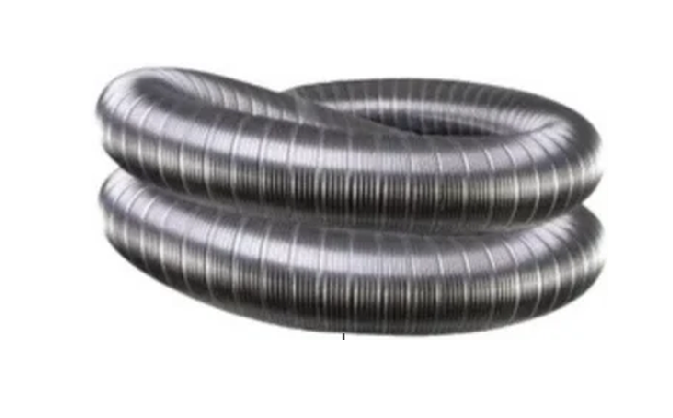
Quick answer: three liner types turn up in US homes. Flexible stainless steel is what almost every wood-stove reline uses, rigid stainless suits a dead-straight flue, and clay tile is the old masonry lining you are probably replacing. For a wood-burning appliance, a flexible 316Ti stainless liner is the standard choice.
Read More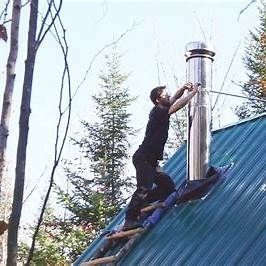
Running a wood stove chimney through a metal roof comes down to the sealing, not the pipe. Here is the Class A kit, the pitched flashing and the storm collar that make the penetration watertight.
Read More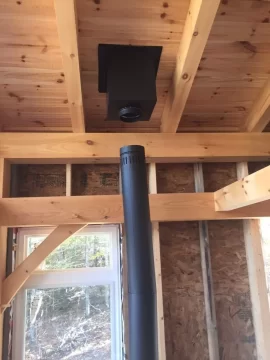
Pick your wood stove chimney pipe kit by the path the flue takes out of the house, then match the diameter to your stove outlet. A complete kit gives you the Class A insulated pipe, support, flashing, storm collar and cap as one matched set.
Read More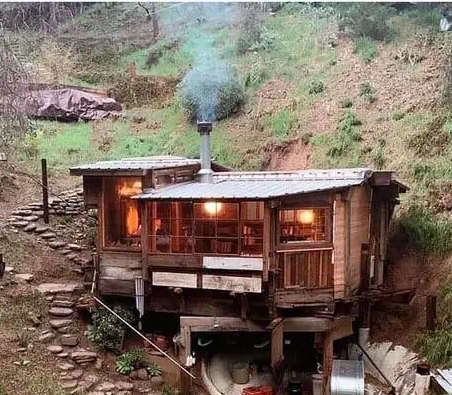
Short answer: A tiny house wood stove needs a small-diameter listed Class A insulated chimney, sized to match the stove (our Class A comes in 6 and 8 inch), run straight up through the roof with correct clearances and enough height above the roofline.
Read More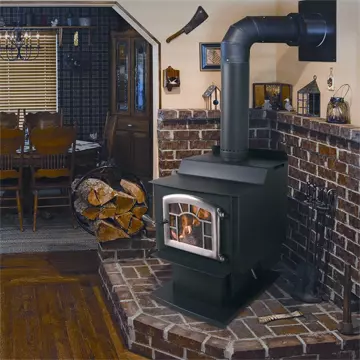
For a wood stove or any solid-fuel appliance, use listed stainless steel chimney pipe, never galvanized. Galvanized steel is not rated for flue-gas heat, and its zinc coating can break down and give off fumes.
Read More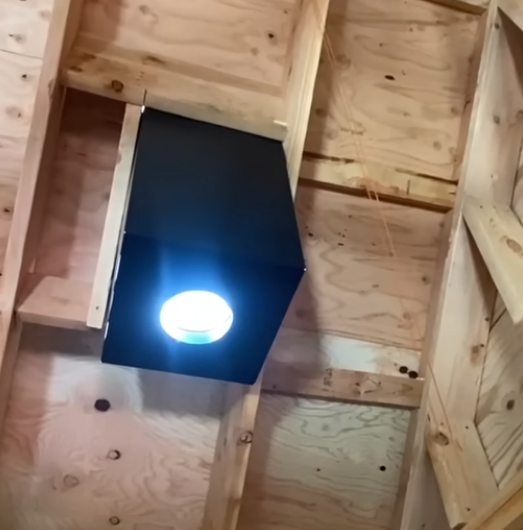
Short answer: the black stove pipe stops at the ceiling or wall, and Class A chimney pipe takes over from there. They join at a support box (a ceiling support box going up, or a wall thimble going out), never in the middle of the framing.
Read More