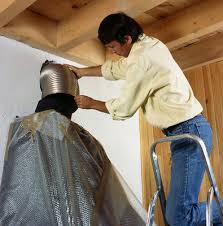
Discover how others have installed our flue kits in sheds, garages, cabins, and homes. These real customer stories show you what to expect—and how easy it can be.
Read MoreInfo

The main codes governing chimney pipe installation in the U.S. are NFPA 211, UL 103 HT, and the IRC (International Residential Code). Every chimney pipe must maintain at least 2 inches of clearance to combustibles, meet the 3-2-10 height rule, and use UL-listed components. Whether you are relining an existing masonry chimney, running pipe through your house, or mounting a system on an exterior wall, these standards apply to every installation.
Read More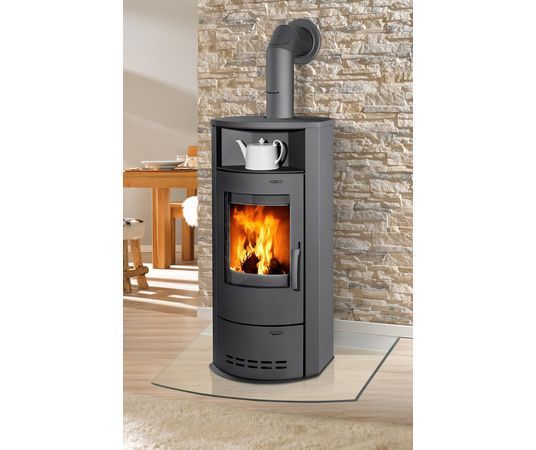
Single wall black stove pipe connects your wood stove to a ceiling support box or wall thimble inside the same room. It requires 18 inches of clearance to all combustible materials and must never pass through a wall, ceiling, or roof. This guide covers tools, step-by-step assembly, clearance rules, and the transition to Class A chimney pipe.
Read More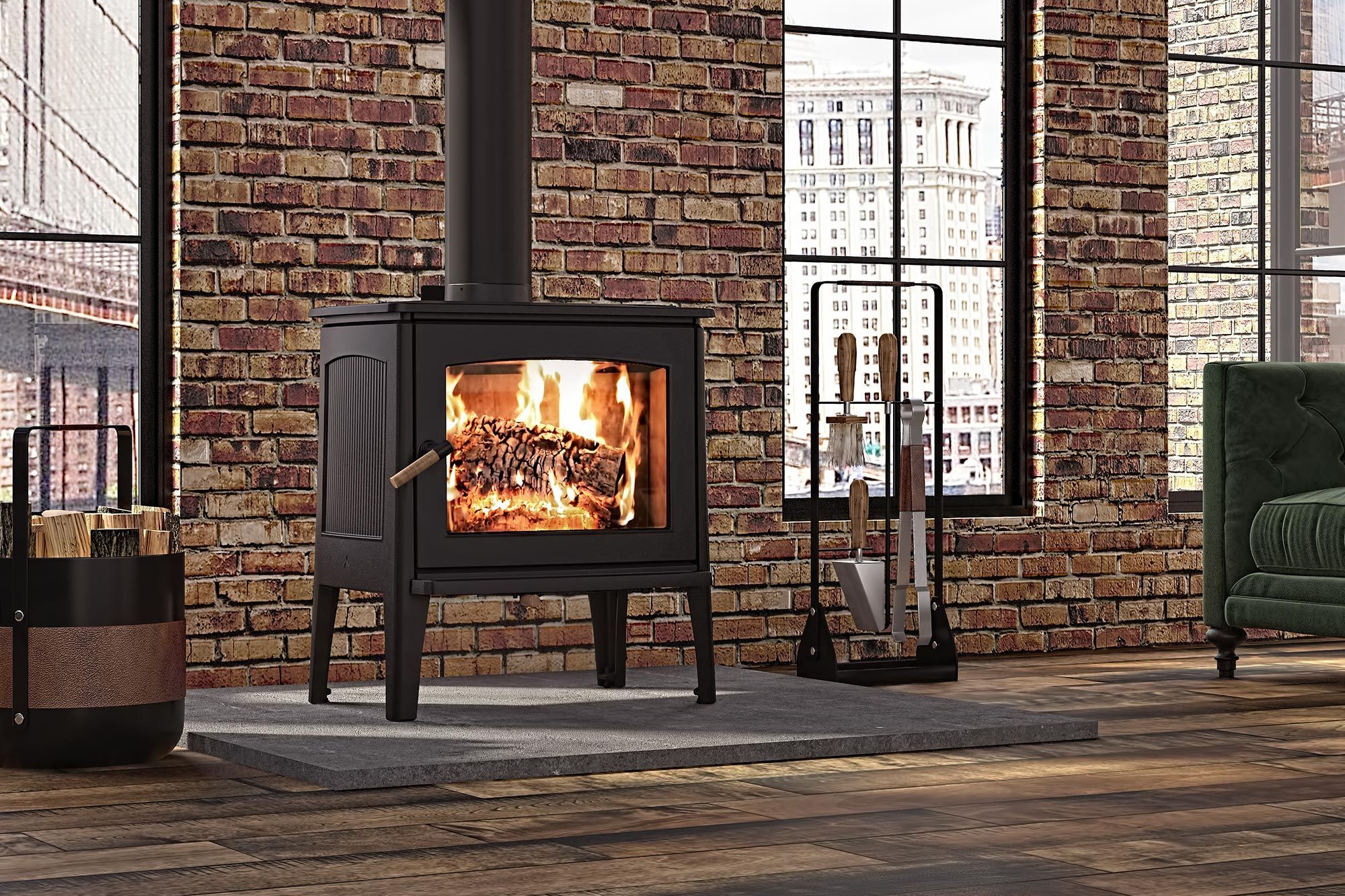
Double wall stove pipe is installed from your wood stove up to the ceiling support box or wall thimble, maintaining 6 inches of clearance to walls and 8 inches to ceilings. It connects to Class A chimney pipe at the transition point and must never pass through walls, floors, or ceilings on its own.
Read More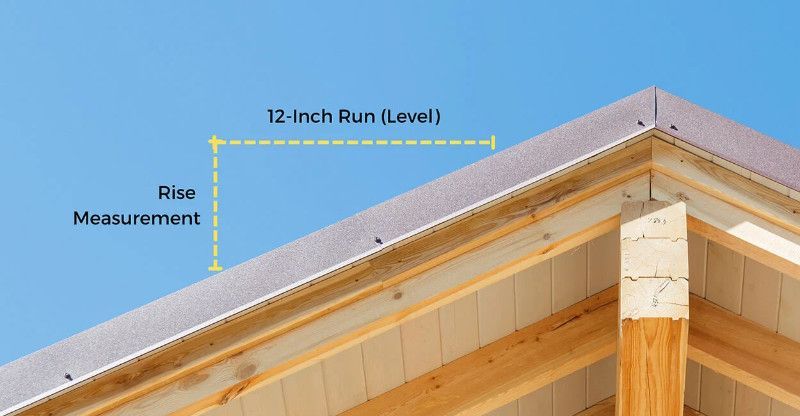
To measure your roof pitch, hold a level horizontally against the roof, mark 12 inches from one end, and measure the vertical distance from the roof up to the level at that mark. That distance is the rise - expressed as rise over 12 (for example, 6/12).
Read More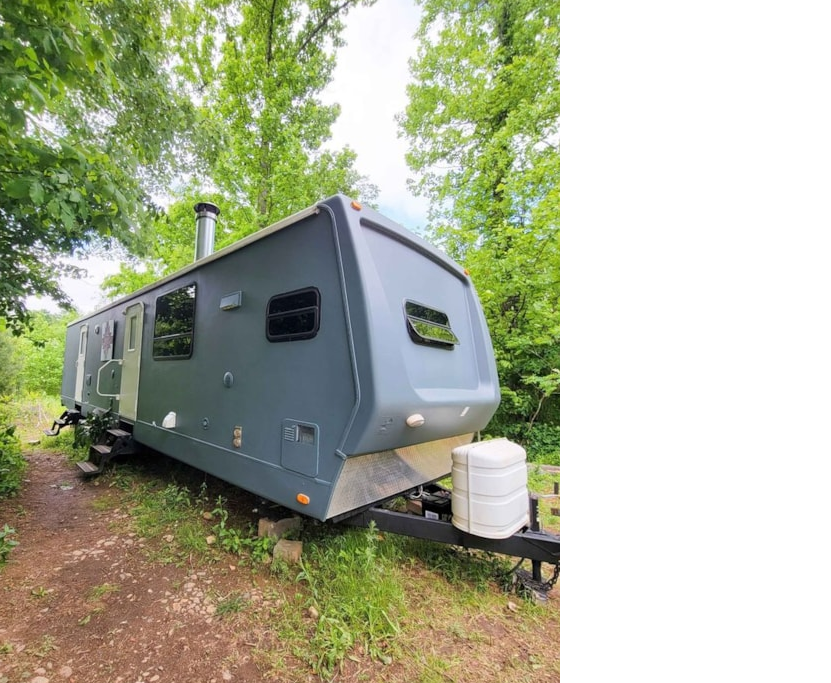
To install a wood stove in a trailer, you need a small, low-BTU stove, a double-wall insulated chimney kit rated for mobile use, a non-combustible hearth pad, and a heat shield behind the stove. Mount the stove near the axle line for weight distribution, cut a roof or wall exit, and connect to Class A chimney pipe at the penetration point.
Read More
UL 103 HT is the safety testing standard that every Class A chimney pipe must pass before it can be sold in the United States. It includes 11 tests covering heat resistance, structural strength, wind load, rain penetration, and chemical durability. If a chimney pipe carries the UL 103 HT label, it has been tested to safely handle flue gas temperatures up to 1,000 degrees F in continuous operation and 1,400 degrees F in short bursts.
Read More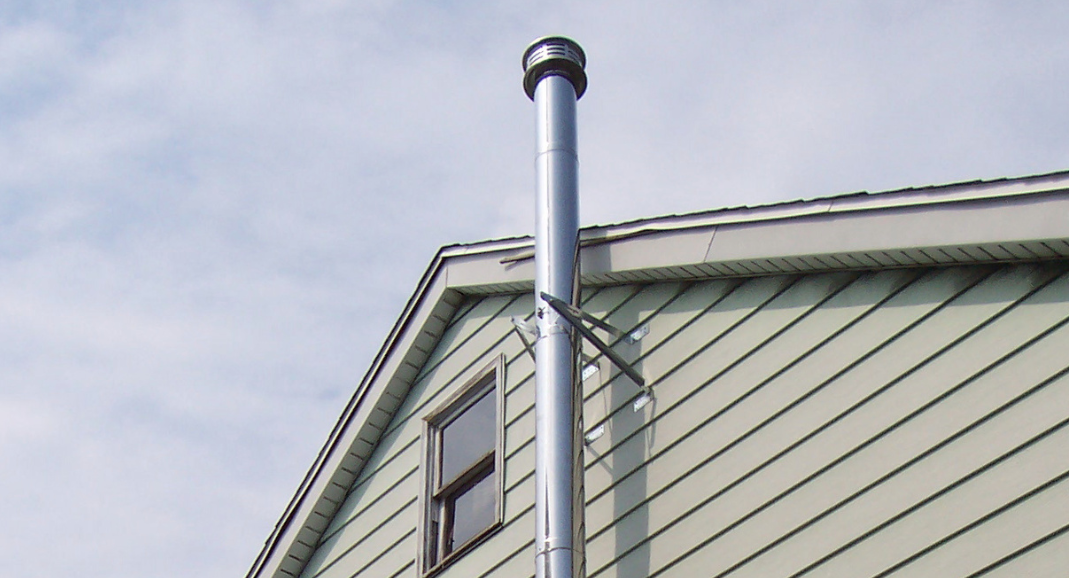
Yes, you can install your chimney pipe on the outside of the house. An exterior chimney runs along the outside wall using Class A insulated pipe (UL 103 HT listed), exits through a wall thimble near the stove, and rises vertically to above the roofline. It is a good option when running pipe through the interior would mean cutting through multiple floors, attic spaces, or finished ceilings.
Read More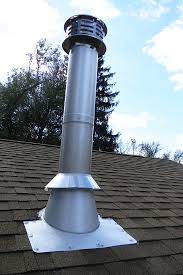
Installing a chimney through a tiled roof in a residential home is a task that requires some planning and execution to ensure safety and prevent leaks. We give you ia general guide outlining the key steps involved in this process
Read More
Illinois follows NFPA 211 as the statewide standard for chimney, fireplace, and solid fuel appliance installations. Most cities and counties require a building permit before you start, and a local inspector or fire marshal must sign off on the finished system. Chicago enforces additional rules, including mandatory use of certified contractors for certain installation types.
Read More