For most homeowners in the U.S., wood heating costs significantly less than gas central heating on a per-year basis. The gap is largest in rural areas where firewood is cheap or free, and in regions with high propane prices. Below we compare installation costs, annual fuel expenses, maintenance, and environmental impact to help you decide which makes sense for your home.
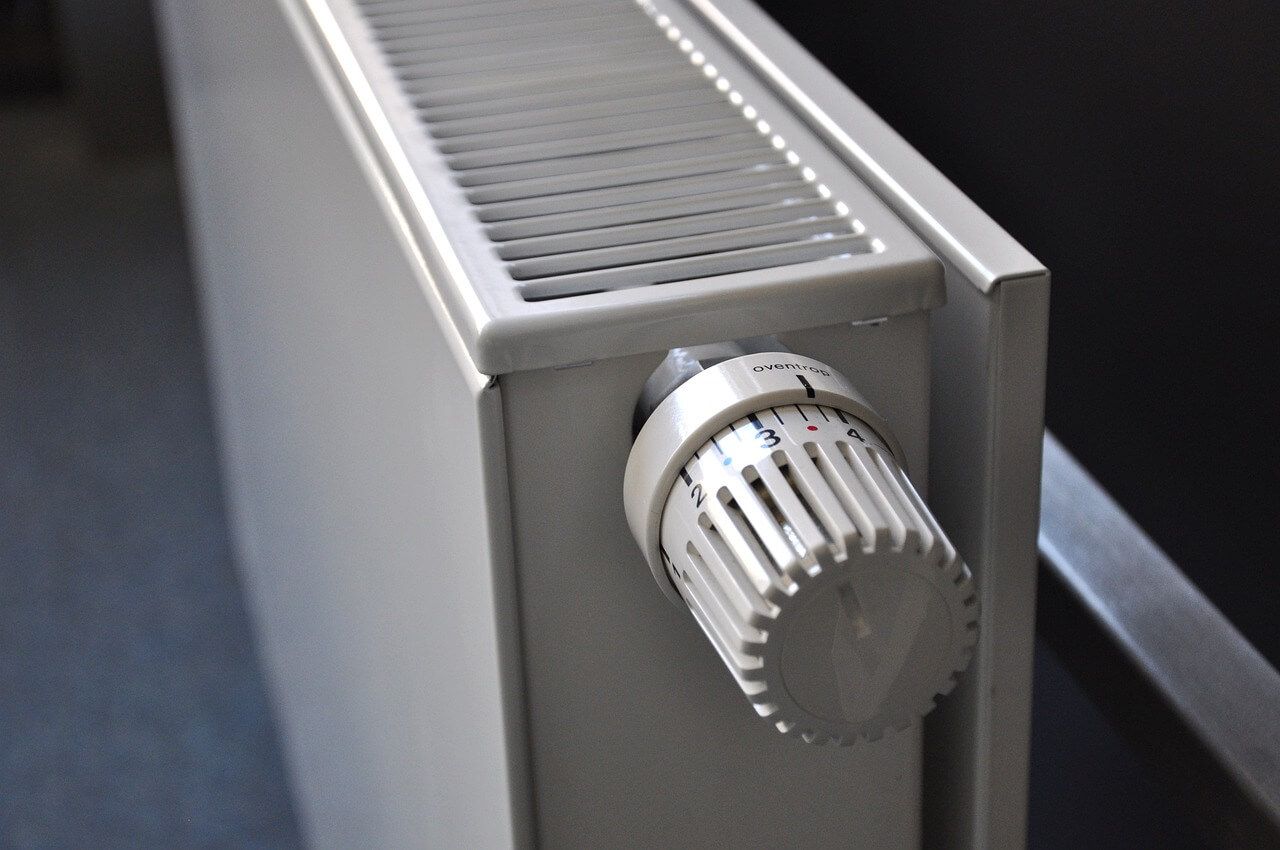
Wood Stove vs. Gas Central Heating: Cost Comparison
| Cost Category | Wood Stove | Gas Central Heating |
|---|---|---|
| Installation | $1,500 - $4,000 (lower with DIY) | $3,000 - $7,000 |
| Annual fuel | $200 - $400 | $1,000 - $2,000+ |
| Annual maintenance | $50 - $100 (chimney sweep) | $180 - $300 (boiler service) |
| Equipment lifespan | 20 - 30+ years | 10 - 15 years (boiler) |
| Carbon footprint | Near neutral (renewable fuel) | High (fossil fuel) |
| Fuel availability | Local, often free/cheap | Piped or delivered |
| Works during power outage | Yes | No (needs electricity for blower/ignition) |
Installation Costs
A wood stove with a complete chimney kit (stove pipe, Class A chimney pipe, flashing, cap) typically costs $1,500 to $4,000 installed. DIY installation brings the cost down further since the labor is the biggest expense. Gas central heating systems run $3,000 to $7,000 installed and must be done by a licensed professional in most states.
Fuel Costs
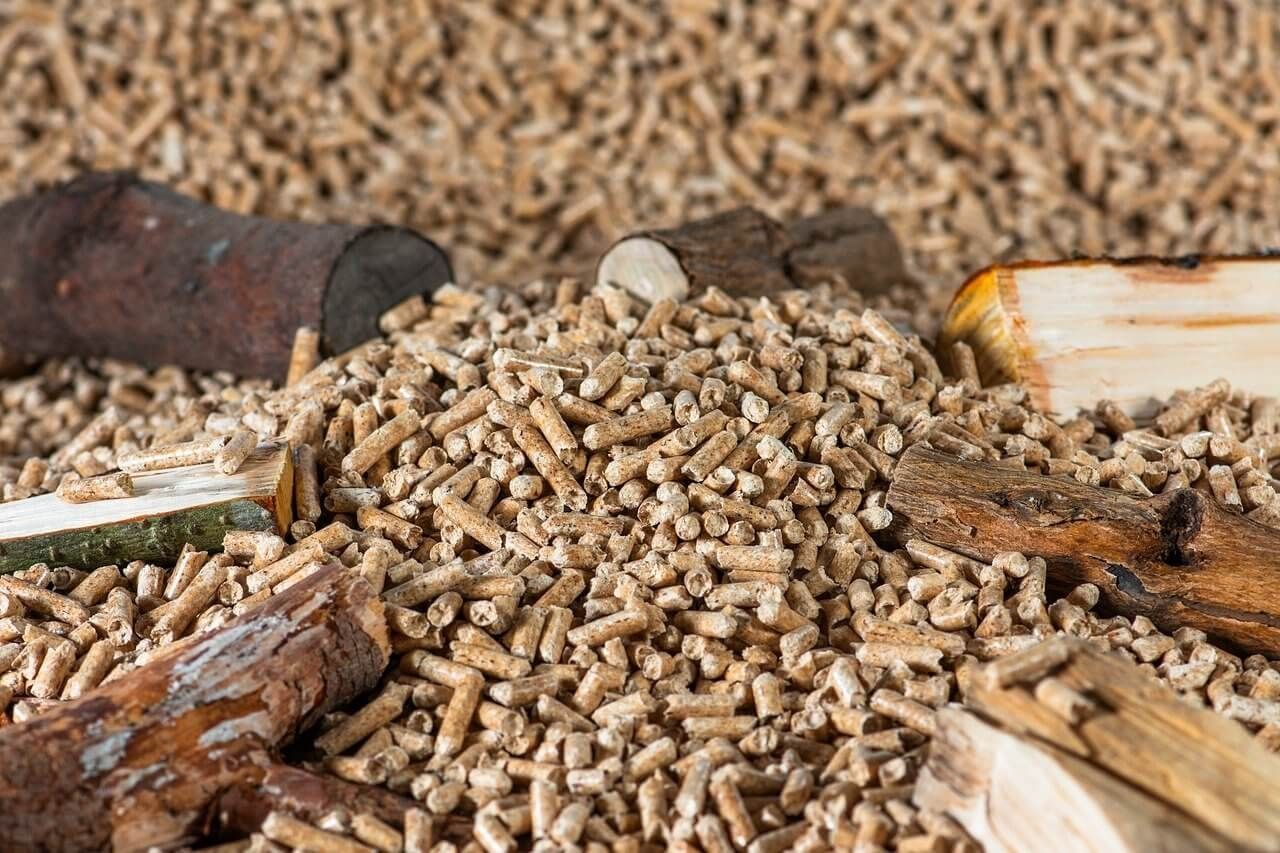
A cord of hardwood costs $200 to $300, and one cord typically heats a well-insulated home for several weeks. Annual wood costs for most homeowners run $200 to $400. Propane costs about $1,890 per year for an average home, and that number climbs with price increases. If you have access to your own land or a local source, firewood can be free or nearly free.
Maintenance Costs
Wood stove maintenance is simple: an annual chimney sweep ($50 to $100) and occasional gasket replacement. Gas boiler servicing costs $180 to $300 per year, and boiler replacement every 10 to 15 years can run $300 to $2,000.
Does a Wood Stove Add Property Value?
Yes. Homes with wood stoves often attract buyers who value energy independence, lower heating bills, and backup heat during power outages. In cold climates and rural areas, a wood stove can be a strong selling point. For a comparison of wood stoves vs open fireplaces, see our guide on open fire vs wood stove.
Environmental Impact
Wood is a renewable fuel. When sourced from managed forests or pruning operations, the carbon released during burning is reabsorbed by new growth, making it close to carbon neutral. Gas (propane, natural gas) is a fossil fuel that takes millions of years to form and adds new CO2 to the atmosphere. For more on this topic, see our article on wood stove myths.
Tips to Save Even More on Wood Heating
- Burn only dry, seasoned hardwood (moisture below 20%)
- Buy firewood in bulk during the off-season (spring/summer prices are lower)
- Insulate your chimney liner for better draft and less creosote
- Use double wall stove pipe for better heat retention inside the room
- Burn smaller, hotter fires instead of large smoldering ones
Ready to Switch to Wood Heating?
Use our free chimney design service to get a custom parts list and cost estimate for your home. Send us your stove model and house layout, and we will send back a recommendation within 24 hours. Call us at 888-834-0880 (9 AM - 9 PM, 7 days a week).
Frequently Asked Questions
How much does it cost to heat with a wood stove per year?
$200 to $400 per year for most homeowners who buy firewood. Less if you have access to free wood from your own land or local sources.
Is a wood stove worth the investment?
Yes. With annual savings of $600 to $1,500 compared to gas heating, a wood stove and chimney system typically pays for itself within 2 to 4 years.
Can a wood stove heat an entire house?
A well-placed wood stove can heat a small to medium home (up to about 2,000 sq ft) effectively if doors are left open and airflow is good. For larger homes, it works best as zone heating for the most-used rooms.
Does a wood stove work during a power outage?
Yes. Unlike gas furnaces that need electricity for the blower and ignition system, a wood stove operates entirely without power. This makes it a reliable backup heat source during winter storms.
Need More Information?
Hopefully, you just got all the answers you need, but maybe you still have a question. If you want to know about this or any other topic relating to domestic burners and flue pipes, then please check out our FAQ page.
Here are our installation guides.
If you have a more specific problem, or you need your purchase sorted out quickly, then take advantage of our years of experience and head to our contact page.