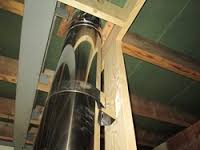
Match the pipe to your wood stove's flue collar, which is 6 inches on most modern stoves and 8 inches on larger or older ones. Never size up to "help the draft" (a wider pipe actually weakens it), and never go smaller than the collar.
Read MoreInfo
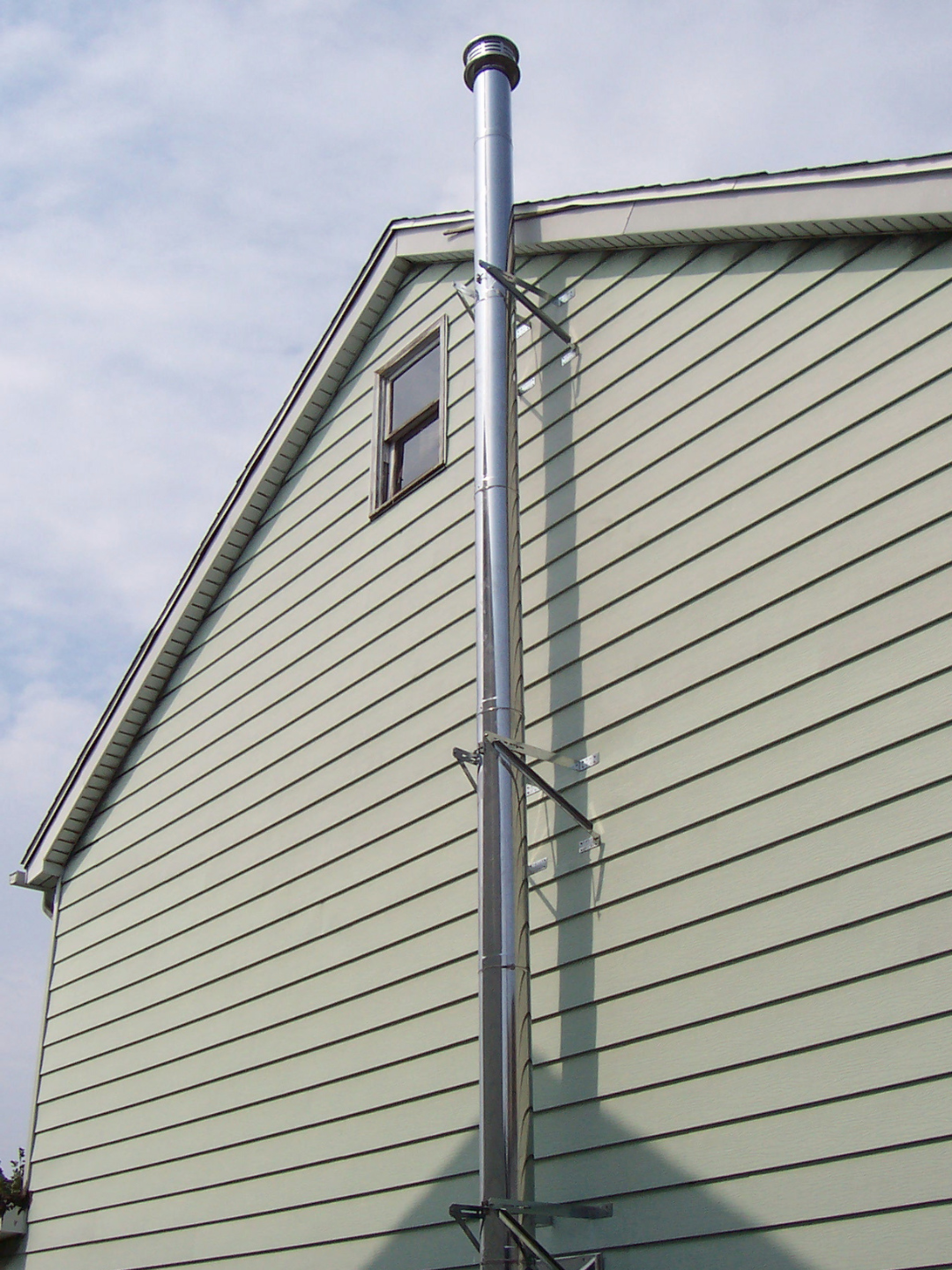
Go through the roof when you have a clear vertical path above the stove, because a straight run gives the strongest draft. Go through the wall when the ceiling is cathedral or vaulted, the attic is blocked, or cutting the roof is off the table. Both are equally safe with Class A pipe at 2-inch clearance and the 3-2-10 height rule.
Read More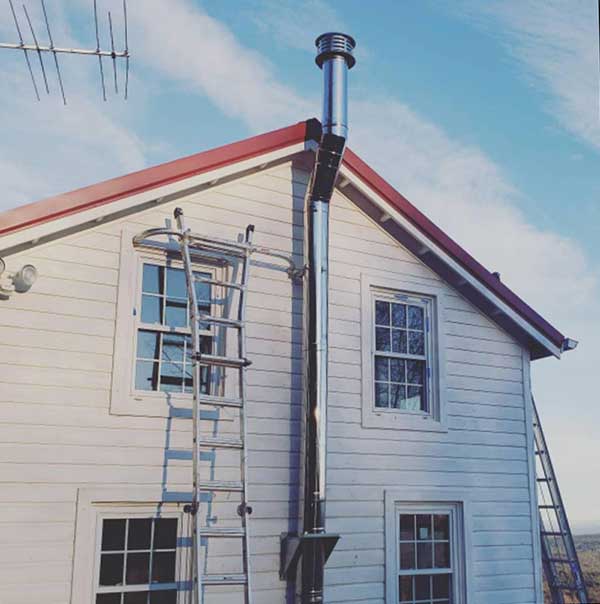
Flue-Pipes.com is the best Selkirk SuperPro alternative. Same UL 103 HT listed Class A chimney pipe — up to 54% lower cost, sold direct with no distributor markup. Every order includes a limited lifetime warranty, 14-day guaranteed returns, and a lowest price guarantee.
Read More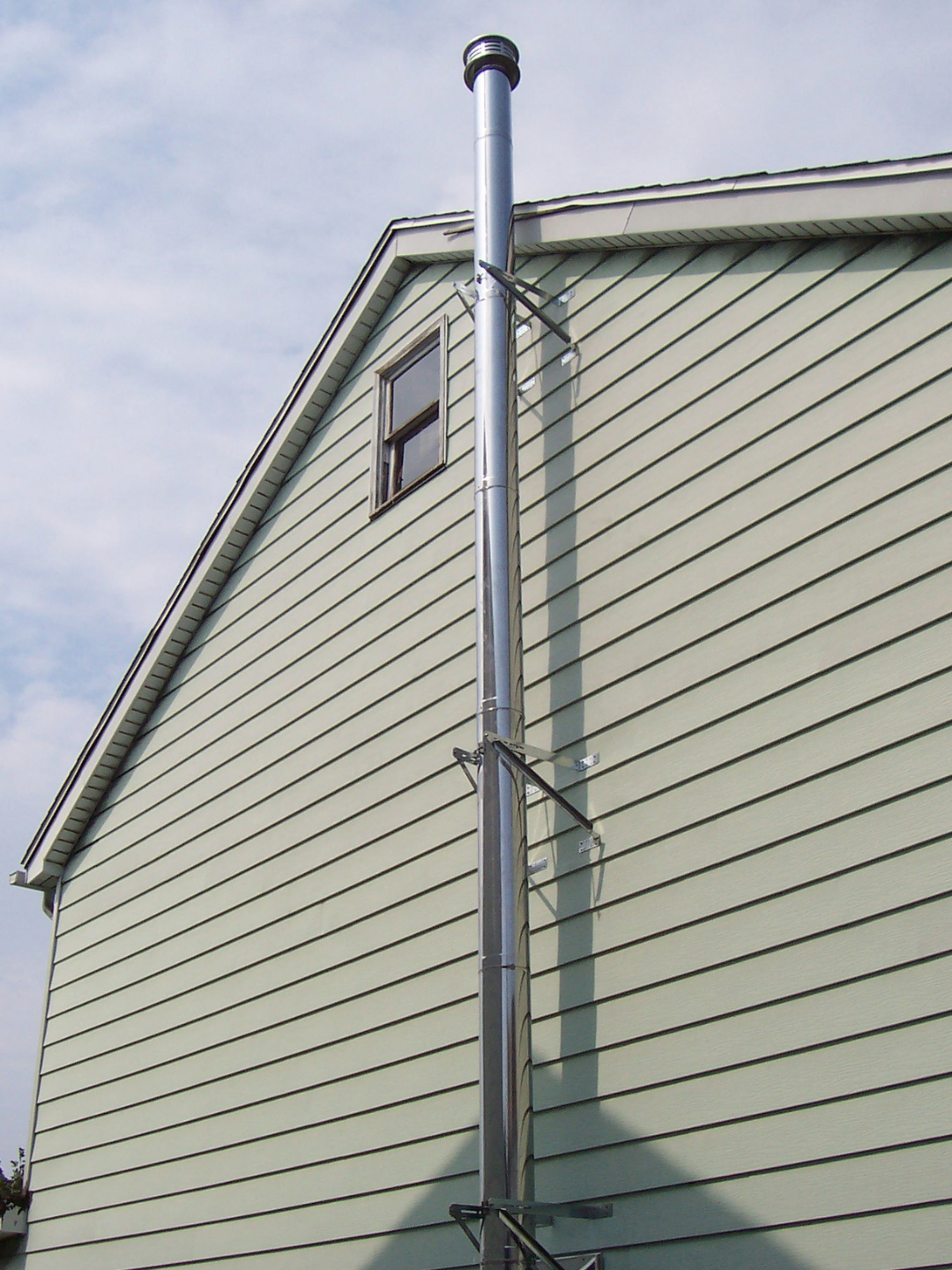
Same build quality. Fully listed and certified. Up to 54% less than DuraPlus pricing — backed by a lifetime warranty, 14-day returns, and a lowest price guarantee.
Read More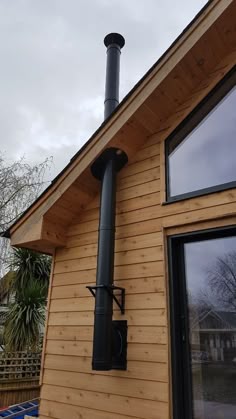
Flue-Pipes.com is the best DuraTech alternative. Same UL 103 HT listed Class A chimney pipe — up to 35% lower than Duratech, sold direct with no distributor markup. Every order includes a limited lifetime warranty, 14-day guaranteed returns, and a lowest price guarantee.
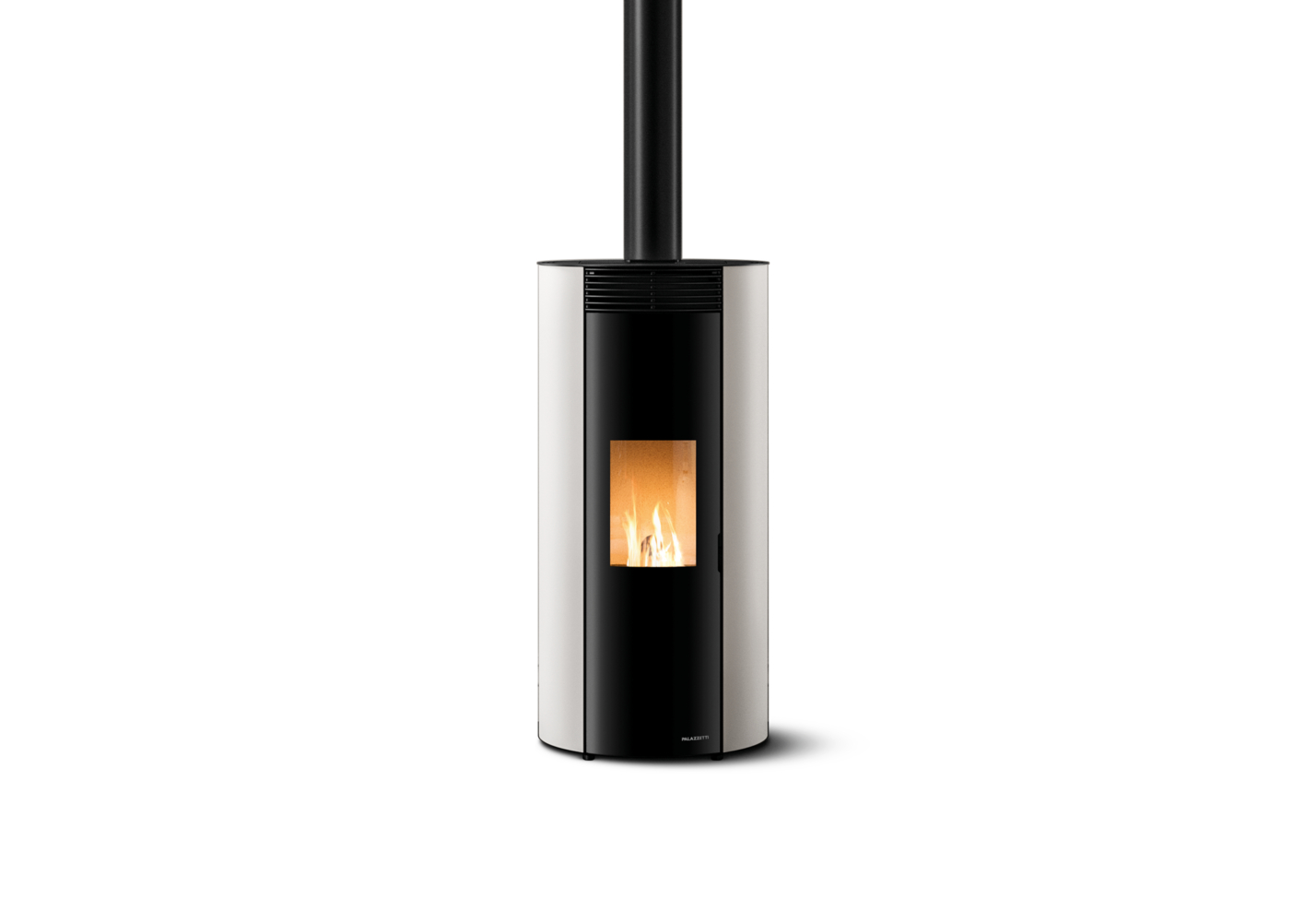
The short answer: pellet stoves use a dedicated pellet vent system, called Type L vent or PL vent, listed to UL 641. It's a smaller diameter (typically 3 or 4 inches) and rated for the lower flue gas temperatures pellet stoves produce.
Read More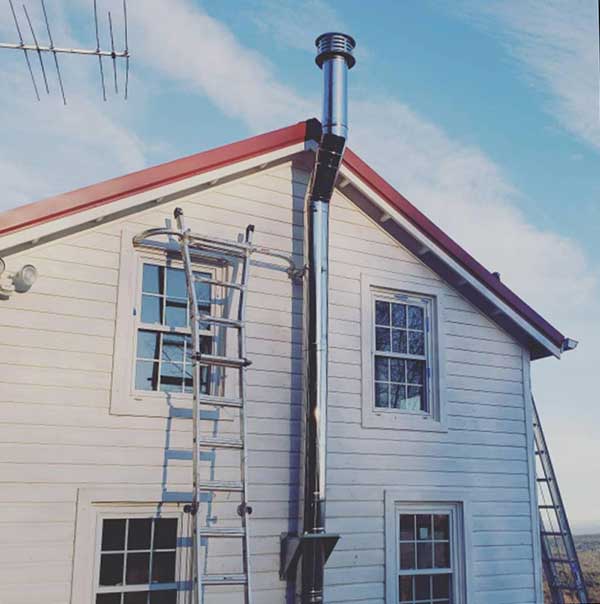
The short answer: if you're installing a wood stove or fireplace in a U.S. home that doesn't have an existing masonry chimney, Class A insulated chimney pipe is the system you need.Class A pipe is double-walled, factory-built, insulated, and certified to UL 103 HT for solid fuel appliances.
Read More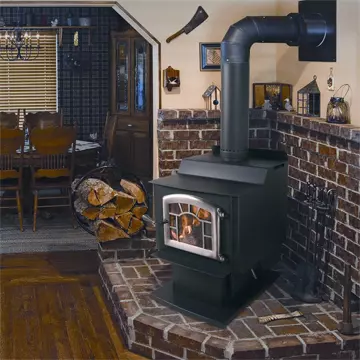
In the United States, chimney (vent) sizing is governed mainly by NFPA 211 (solid fuel), NFPA 54 / ANSI Z223.1 (gas), and UL listings for the chimney or vent itself. Sizing is driven by appliance outlet diameter, BTU input, fuel type, draft type (natural, induced, direct vent), and elevation.
Read More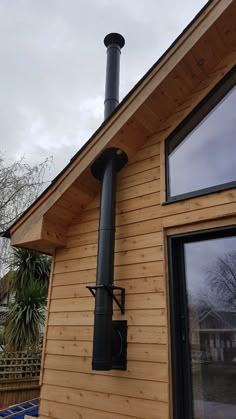
Your chimney pipe must extend at least 3 feet above the point where it exits the roof and at least 2 feet higher than any part of the roof or structure within 10 feet. This is the 3-2-10 rule, required by NFPA 211. Following it keeps your home safe and your wood stove drafting properly.
Read More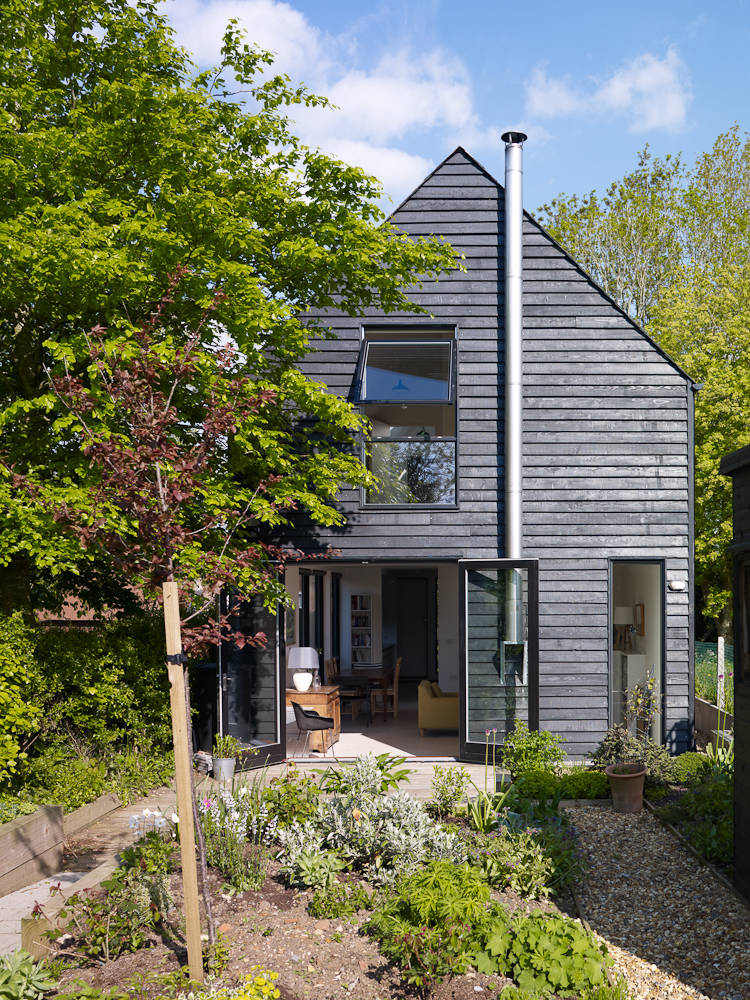
Yes. If your house has no existing chimney, you can install a wood stove using a Class A insulated chimney pipe system. The pipe runs either straight up through the ceiling and roof (internal route) or out through an exterior wall and up the side of the building (external route). Both methods are code-compliant, safe, and used in thousands of homes every year.
Read More