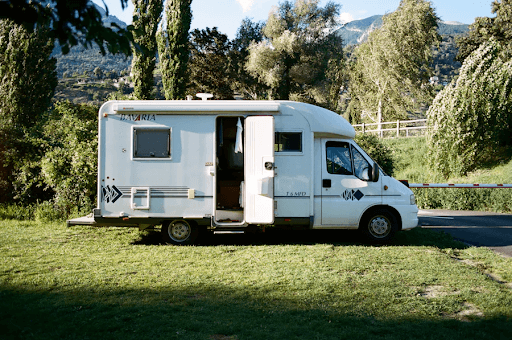
To install a wood stove in a campervan, mount a compact stove on a non-combustible hearth pad, install a heat shield on the wall behind it, cut a roof exit for a double-wall insulated chimney pipe, and secure all connections with brackets and high-temperature sealant. You also need a carbon monoxide detector, a fire extinguisher, and proper ventilation during use.
Read MoreInfo

For an outdoor pizza oven, follow the oven maker's instructions first; where they allow it, use Class A insulated chimney pipe, which we sell in 6 and 8 inch, never narrower than the oven outlet. Add a rain cap at the top, and where the chimney passes through a roof, the 3-2-10 rule from NFPA 211, as our Class A installation instructions quote it, sets the minimum: at least 3 feet above the highest point where it passes through the roof and at least 2 feet higher than any portion of a building within 10 feet.
Read More
Whether you're installing a new wood-burning stove or maintaining an existing one, understanding the essential parts is crucial. Each component in your stove system plays a role in efficiency, safety, and long-term performance. This guide breaks down the most important wood-burning stove parts and accessories every homeowner should know.
Read More
The short answer is no, you don’t need a traditional chimney for your pellet stove. However, there are still venting requirements. This is a common question for those considering a pellet stove, as these stoves operate differently from wood-burning models.
Read More
A wood stove needs a chimney, but not necessarily a brick one. Use a listed Class A route through the roof or wall, or an inspected existing masonry chimney made suitable for the stove.
Read More
ning stove can greatly enhance your home's warmth and atmosphere — but only if it's installed correctly.
Read More
Your wood stove is smoking into the room because of poor draft, which is usually caused by a blocked chimney, wet wood, a chimney that is too short, cold air trapped in the flue, wind-driven downdraft, or negative air pressure from exhaust fans in the house.
Read More
The five most common wood stove myths are: they pollute as much as cars, all stoves are equally dirty, gas is cleaner than wood, wood heating costs more, and stoves are a major source of air pollution. Modern EPA-certified stoves debunk all of these - they reduce emissions by up to 99% compared to older models and cost far less to run than gas or electric heat.
Read More
Yes, a wood stove is cheaper than gas central heating in most situations. Annual fuel costs for wood heating run $200 to $400 per year, compared to $1,000 to $2,000 or more for propane or natural gas. Installation costs are also lower, especially with a DIY chimney kit, and maintenance is simpler and less expensive.
Read More
For regular home heating, choose a wood stove. A modern EPA-certified wood stove converts up to 80% of wood energy into room heat, compared to less than 30% for an open fireplace. An open fireplace is fine for occasional ambiance, but it loses over 70% of its heat up the chimney and uses 2 to 4 times more firewood for the same warmth.
Read More