How long a chimney pipe lasts depends on the type. Single-wall black stove pipe usually lasts 5 to 10 years, double-wall 15 to 20, Class A insulated chimney pipe 25 to 50 or more, and stainless steel chimney liners 15 to 25 or more, often the life of the home. Heat, moisture, and how often you burn decide where in the range you land.
| Pipe type | Typical lifespan |
|---|---|
| Single-wall black stove pipe | 5 to 10 years |
| Double-wall black stove pipe | 15 to 20 years |
| Class A insulated chimney pipe | 25 to 50+ years |
| Stainless steel chimney liner | 15 to 25+ years (often a limited lifetime) |
If you are replacing a worn system, confirm which type you need first with our guide to choosing between a liner and Class A.
How Long Does Each Type of Chimney Pipe Last?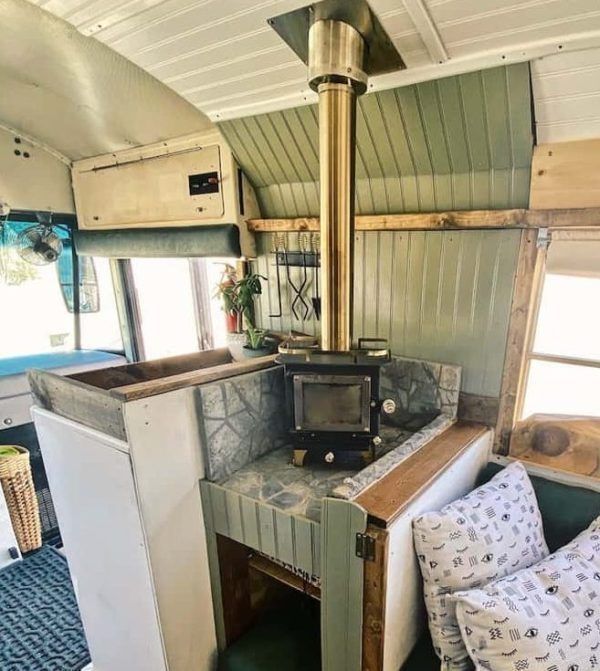
Your wood stove venting system usually has two or three different types of pipe working together. Each one serves a different purpose and wears out at a different rate. Understanding the differences helps you plan maintenance and avoid unexpected failures.
Single-Wall Black Stove Pipe: 5 to 10 Years
Single-wall stove pipe is the connector pipe that runs from your wood stove to the ceiling or wall where it transitions to Class A chimney pipe. It is made from painted or blued steel and sits inside the room where you can see it. Because it has no insulation layer, it is directly exposed to high flue gas temperatures, moisture, and creosote.
Under normal use (burning seasoned hardwood through a full heating season), single-wall pipe typically lasts 5 to 10 years. Heavy users who burn all day, every day, may see the pipe wear out faster. If you notice rust spots, discoloration, warping, or soft spots when you tap the pipe with a screwdriver handle, it is time for a replacement. Single-wall stove pipe requires 18 inches of clearance to combustible materials, so always check that your installation still meets that distance.
Double-Wall Black Stove Pipe: 15 to 20 Years
Double-wall stove pipe has an inner and outer wall with an air gap between them. This design keeps the outer surface cooler and reduces the clearance requirement to 6 inches from combustible materials. The air gap also helps keep flue gas temperatures higher, which means less condensation and less creosote buildup inside the pipe.
Because of that protective construction, double-wall stove pipe lasts roughly 15 to 20 years under normal conditions. Some owners have reported getting 30 or more years from a quality double-wall setup, though periodic inspection is still needed. The inner pipe can corrode over time even if the outer wall looks fine, so do not rely on appearance alone. If you are still deciding, our comparison explains which stove pipe your room needs.
When a double-wall run is due for replacement, match the new sections to your stove collar. For a 6 inch collar, our double wall pipe comes in fixed lengths with adjustable and telescoping sections, all from one matched line.
Class A Insulated Chimney Pipe: 25 to 50+ Years
Class A chimney pipe is the heavy-duty pipe that runs through your ceiling, attic, floors, and roof. It is tested to withstand temperatures of 2,100 degrees Fahrenheit and carries a UL 103 HT listing. This is the only type of pipe that is allowed to pass through walls, ceilings, and roofs.
A quality Class A chimney pipe system typically lasts 25 to 50 years, and many manufacturers back their products with a lifetime warranty. The insulation between the inner and outer walls protects the pipe from thermal stress and keeps combustible framing safe (only 2 inches of clearance required). That insulation layer is also what makes Class A pipe so durable - it reduces the temperature swings that cause metal fatigue over time.
If your system is UL 103 HT listed, you are starting with the right foundation. Not all chimney pipe on the market carries this rating, so always verify before you buy. At Flue Pipes, every Class A chimney pipe we sell is UL listed and comes with a test certificate.
Stainless Steel Chimney Liners: 15 to 25+ Years (Often Lifetime)
Chimney liners are flexible or rigid stainless steel tubes installed inside an existing masonry chimney. They protect the brickwork from heat and corrosive flue gases, and they size the flue correctly for your appliance.
The lifespan depends heavily on the steel grade. A liner made from 316Ti stainless steel (the grade designed for wood and coal burning) will outlast a cheaper 304 or 430 grade by a wide margin. Quality 316Ti liners often come with a lifetime warranty. Budget liners made from thinner or lower-grade steel may need replacement in as little as 5 years.
If you are relining an old masonry chimney, a stainless steel chimney liner paired with proper insulation is one of the best investments you can make. Insulation keeps flue gases hotter, reduces condensation, and slows down creosote formation - all of which extend liner life. Read more about why you should insulate your chimney liner.
What Shortens the Lifespan of Chimney Pipes?
Even the best chimney pipe will not last if you work against it. Here are the biggest lifespan killers.
Burning Wet or Unseasoned Wood
Wet wood burns at lower temperatures and produces more smoke, more moisture, and far more creosote. Creosote is acidic. It eats into metal over time and creates a serious fire hazard. Burning properly seasoned hardwood (moisture content below 20%) is the single most effective thing you can do to extend the life of every pipe in your system.
Skipping Annual Cleaning and Inspection
Creosote and soot build up on the inside walls of your chimney pipes throughout the heating season. If left uncleaned, this buildup traps moisture against the metal and accelerates corrosion. An annual cleaning also gives you a chance to spot early signs of wear before they become dangerous. Learn how to clean your system in our guide on how to clean your chimney.
Oversizing or Undersizing the Flue
If your chimney pipe diameter does not match your stove's flue outlet, you will get either too much draft or too little. An undersized flue causes excessive heat and pressure. An oversized flue causes slow-moving, cooler gases that condense on the pipe walls and form creosote. Both scenarios shorten pipe life. Always match your pipe size to the stove manufacturer's specifications. Not sure what size you need? Use our free chimney design service and we will spec it out for you within 24 hours.
Thermal Cycling and Cold Starts
Every time your chimney pipe goes from cold to hot and back again, the metal expands and contracts. Over thousands of cycles, this causes metal fatigue. Systems that stay warm for longer stretches (like a stove that runs continuously through winter) often outlast systems that get fired up once a week and then go cold.
Moisture and Weather Exposure
The section of chimney pipe above the roofline takes the biggest beating from rain, snow, ice, and UV exposure. A properly installed chimney cap and storm collar go a long way in keeping water out of the pipe. Without them, rainwater runs down the inside of the flue and speeds up corrosion from the inside out. If you are not sure whether you need a cap, check out our article on chimney pipe building codes - most codes require one.
Signs Your Chimney Pipe Needs Replacing
Chimney pipe rarely fails overnight. It gives you warning signs first. Here is what to watch for.
Visible rust or corrosion. Look at the exterior of your stove pipe and any visible sections of Class A pipe. Rust spots, flaking metal, or discoloration (especially at seams and joints) mean the metal is weakening. If you can push a screwdriver through the pipe wall, it is way past due for replacement.
Warping or dents. If sections of pipe look bent, buckled, or no longer sit straight, the metal has been stressed beyond its limits. Warped pipe creates gaps at joints where smoke and carbon monoxide can leak into your living space.
Dark stains around joints. Brown or black stains around pipe connections indicate that flue gases or creosote are leaking through. This is a serious safety issue. Replace the affected sections immediately.
Rapid creosote buildup even after cleaning. If creosote returns quickly after a thorough cleaning, your pipe may have interior damage or sizing issues that cause poor draft. This can also be a sign of liner deterioration in masonry chimneys.
If that is what you are seeing, our guide to creosote removal walks through the stages the deposits go through and how to tell a pipe that is dirty from one that is spent.
Smoke or odor in the room. If you smell smoke in the room around the chimney (not from the stove door), there may be a crack, gap, or failed seal in the pipe system. Shut down the stove and inspect before using it again.
Age alone. If your single-wall stove pipe is over 10 years old or your Class A chimney pipe is over 30 years old and has never been inspected, schedule an inspection. Even if things look fine from the outside, interior corrosion can hide behind soot deposits.
How to Make Your Chimney Pipes Last Longer
Getting the maximum lifespan out of your chimney system comes down to a handful of habits.
Burn only seasoned hardwood. Keep the moisture content below 20%. A cheap moisture meter is one of the best tools a wood stove owner can buy.
Clean and inspect once a year. At minimum, have the chimney swept before each heating season. If you burn heavily (more than 3 cords per season), consider a mid-season cleaning as well.
Install a chimney cap. A stainless steel chimney cap keeps rain, snow, debris, and animals out of your flue. It is a small part that prevents major damage.
Use the right pipe for each section. Never use stove pipe where Class A chimney pipe is required. Stove pipe is not rated to pass through walls, ceilings, or roofs. There must always be a tested transition support or adapter between the two. Read our full breakdown of the best Class A chimney pipe brands to see what is available. If you are working out which goes where, start with our guide to the right chimney pipe for a wood burning stove.
Size the system correctly. Match your pipe diameter to the stove's flue collar. If you are unsure, request our free chimney design service. Our team will put together a custom parts list and installation plan for your setup within 24 hours - free of charge.
Inspect the roof section regularly. The pipe above the roofline is the most exposed part of your system. Check it at least twice a year for rust, loose joints, or a damaged cap.
Does a Lifetime Warranty Really Mean a Lifetime?
Many quality chimney pipe and liner manufacturers offer a lifetime warranty. That warranty typically covers defects in materials and workmanship, but it almost always requires that the product was installed correctly and maintained according to the manufacturer's guidelines.
That means annual cleaning, no modifications to the pipe, and using the correct fuel type. If you skip maintenance for years and the pipe corrodes, the warranty may not cover the replacement. Keep records of your annual inspections and cleanings. It is the simplest way to protect both your home and your warranty.
All chimney liners and chimney kits sold at Flue Pipes come with a limited lifetime warranty. If you have questions about what is covered, our team is available 7 days a week at 888-834-0880.
When Should You Replace vs. Repair?
Minor issues like a loose joint or a small dent in stove pipe can often be fixed without replacing the entire system. But there are situations where full replacement is the smarter move.
Replace if: the pipe is past its expected lifespan and showing multiple signs of wear, the steel grade is unknown or outdated (older 430 stainless or unrated pipe), the pipe does not carry a UL 103 HT listing, or you are switching to a different stove with a different flue diameter.
Repair if: a single joint or connector is damaged but the rest of the system is in good shape, the chimney cap needs replacing, or a small section of stove pipe has surface rust that has not penetrated the wall.
Not sure which situation applies to you? Reach out to our expert advice team and send us a few photos. We will tell you straight whether it makes sense to repair or replace.
Replacing worn pipe is a good moment to make sure the new run is sized and matched correctly. Send us your setup and get free flue-design help: we spec the right system so it lasts. Or call a specialist at 888-834-0880. The flexible liner kits carry a Limited Lifetime Warranty; browse the matched chimney liner kits or the Class A chimney pipe range.
Frequently Asked Questions
How often should chimney pipes be inspected?
At least once a year, before the start of each heating season. The inspection should include a visual check of all stove pipe, Class A chimney pipe, and any chimney liner. If you burn more than 3 cords of wood per season, a mid-season inspection is a good idea. Refer to NFPA 211 for the full recommended inspection schedule.
Can I replace just one section of chimney pipe or do I need to replace the whole system?
You can replace individual sections as long as the new pipe matches the brand, diameter, and UL listing of the existing system. Mixing brands or mixing rated and unrated pipe is not safe and may void your warranty. If the system is older and you are replacing multiple sections, it is usually more practical and safer to replace the full run.
Does the type of wood I burn affect how long my chimney pipe lasts?
Yes, significantly. Burning wet, green, or softwood produces more creosote and more acidic moisture inside the flue. That acid eats into the metal over time. Seasoned hardwood (moisture content below 20%) burns hotter and cleaner, which keeps flue temps up and creosote down. This is one of the most effective ways to extend pipe life.
Is a chimney liner the same as a chimney pipe?
Not exactly. A chimney liner is a flexible or rigid stainless steel tube that fits inside an existing masonry chimney. Class A chimney pipe is a self-supporting, insulated pipe that creates a new chimney where none exists. Both serve the same basic function - safely venting combustion gases - but they are used in different situations. Learn more about the differences in our article on chimney flue vs chimney.
What steel grade should I look for in a chimney liner?
For wood-burning and multi-fuel stoves, look for 316Ti stainless steel. It resists the acidic byproducts of wood and coal combustion far better than 304 or 430 grades. If you want the most durable option available, 904L stainless steel handles all fuel types and is the most corrosion-resistant grade on the market. Check our full chimney liner range to compare options.
Need More Information?
Visit our FAQ, browse the stove pipe installation guides, or check our technical advice section.