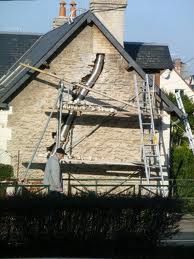
Sometimes. Most U.S. jurisdictions do not require a chimney liner by default on an existing chimney, but most codes do require one once you install a new stove or insert, reline, or otherwise change an existing chimney system. A deteriorated, oversized or unlined masonry flue puts you in that same group, where a liner is needed for safe and efficient operation rather than optional.
Read MoreInfo

Bird nests inside chimneys are a serious fire hazard, especially when combined with creosote buildup — a highly flammable byproduct of burning wood. In this guide, we explain how to safely remove birds from your chimney and how to keep them out for good.
Read More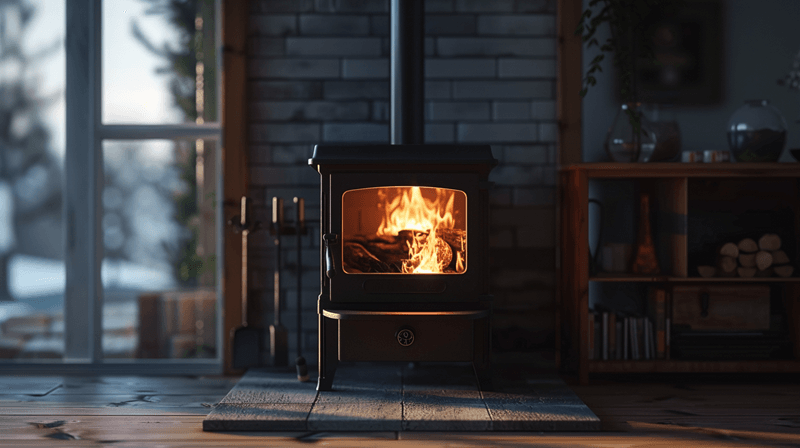
Connect your wood stove to a chimney liner using a stove-to-liner adapter (also called a boot connector). Single wall stove pipe runs from the stove flue collar to the adapter at the chimney opening, and the adapter connects to the flexible stainless steel liner that runs up through the masonry chimney to the top plate and rain cap.
Read More
Want to connect your wood stove to a chimney liner safely and efficiently? In this guide, we walk you through each step of installing a flexible chimney liner in the U.S., including required tools, code considerations, and best practices.
Read More
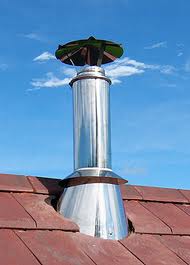
Your chimney pipe must extend at least 3 feet above the point where it exits the roof and at least 2 feet higher than any part of the roof or structure within 10 feet. This is the 3-2-10 rule, required by NFPA 211 and nearly every U.S. building code. Following it keeps your home safe and your wood stove drafting properly.
Read More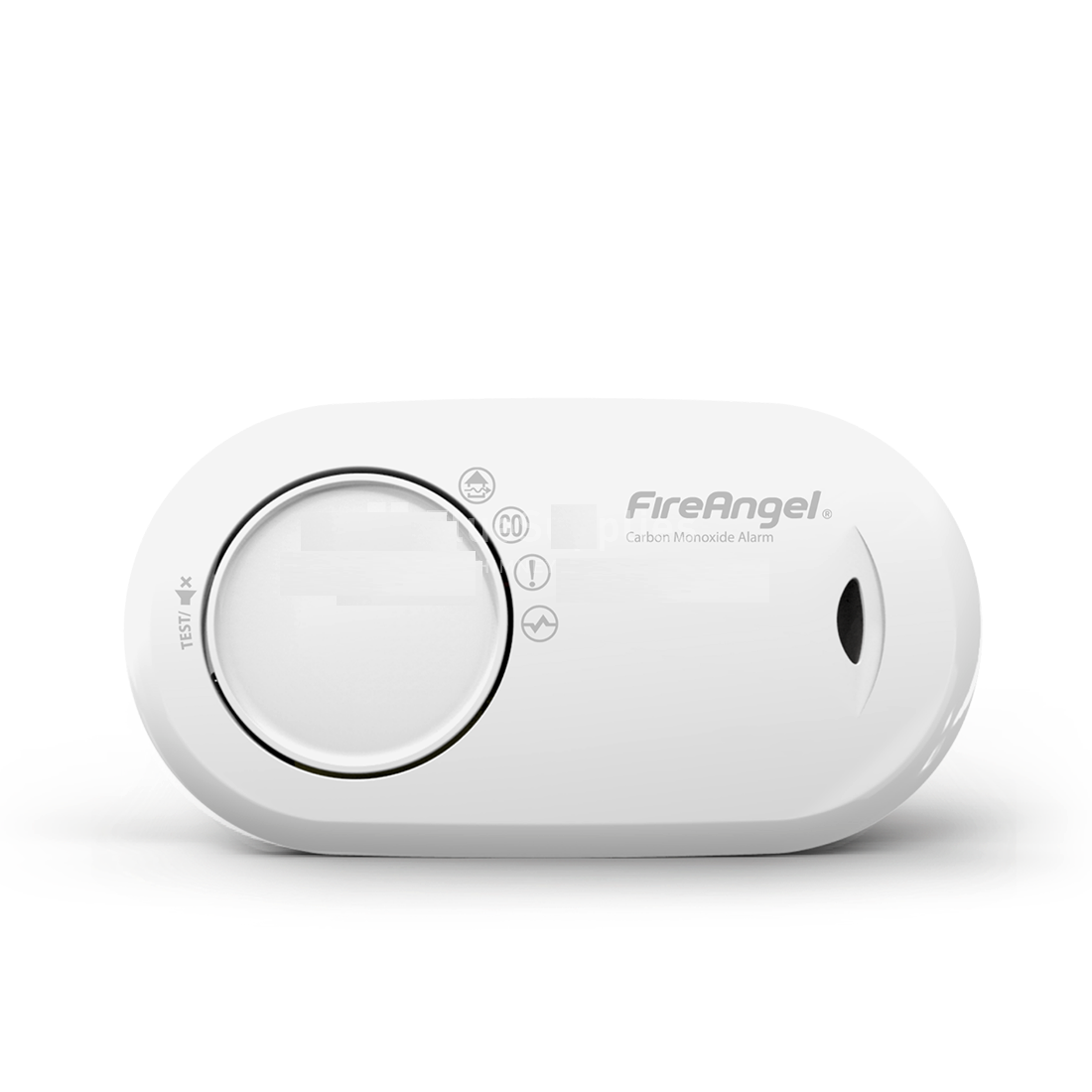
Carbon monoxide (chemical formula CO) is a poisonous, colorless, odorless, tasteless, flammable gas that is slightly less dense than air. Proper placement of a carbon monoxide (CO) detector is important.
Read More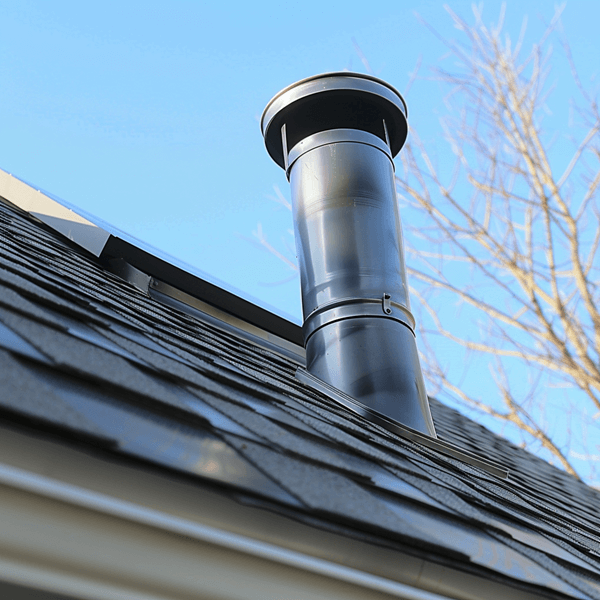
Choosing a stove flue pipe for your heating system might feel like an afterthought to some, but it is actually a decision that should be made carefully. Maintaining productivity and safety in your wood stove or fireplace setup depends on selecting the appropriate stove pipe flue for your requirements.
Read More