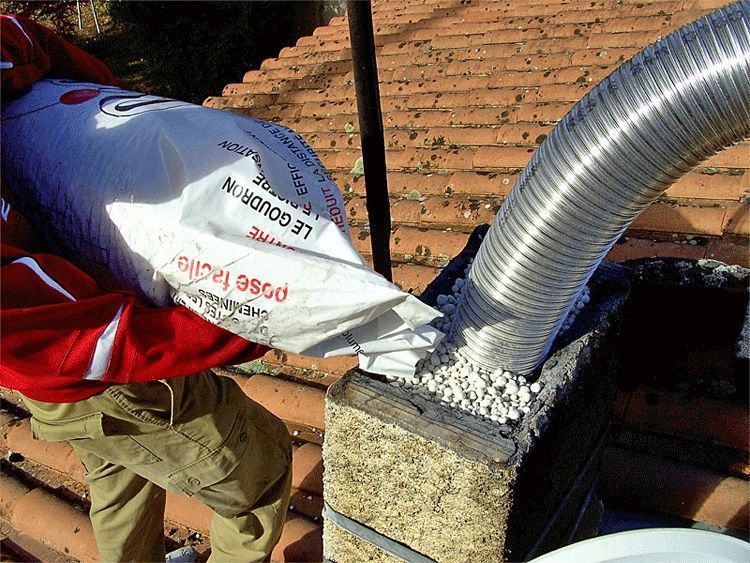
You should insulate your chimney liner because insulation keeps flue gases hotter as they rise, which improves draft, reduces creosote buildup, and prevents condensation from damaging the liner and chimney walls. An uninsulated liner in a cold masonry chimney loses heat fast, leading to weak draft, smoke spillage, and accelerated creosote accumulation.
Read MoreInfo
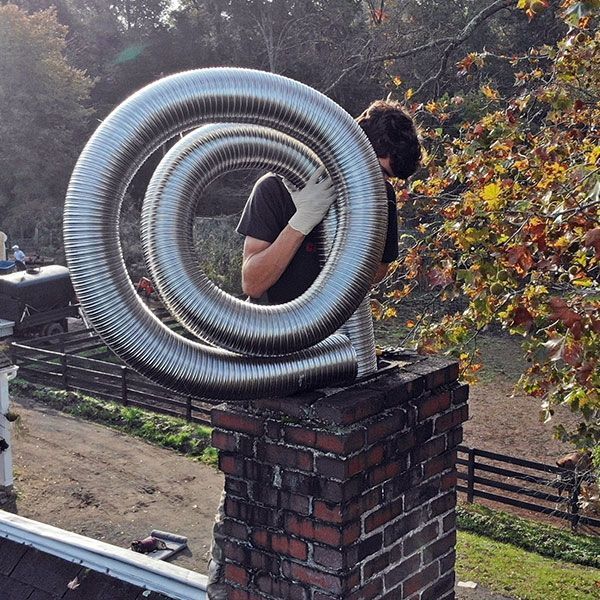
For most wood stove installations, an insulated chimney liner is the better choice. Insulation keeps flue gases hot as they rise, which produces stronger draft, less creosote buildup, and less condensation damage to the liner and masonry. A non-insulated liner costs less upfront but loses heat faster, leading to weaker draft and more maintenance over time.
Read More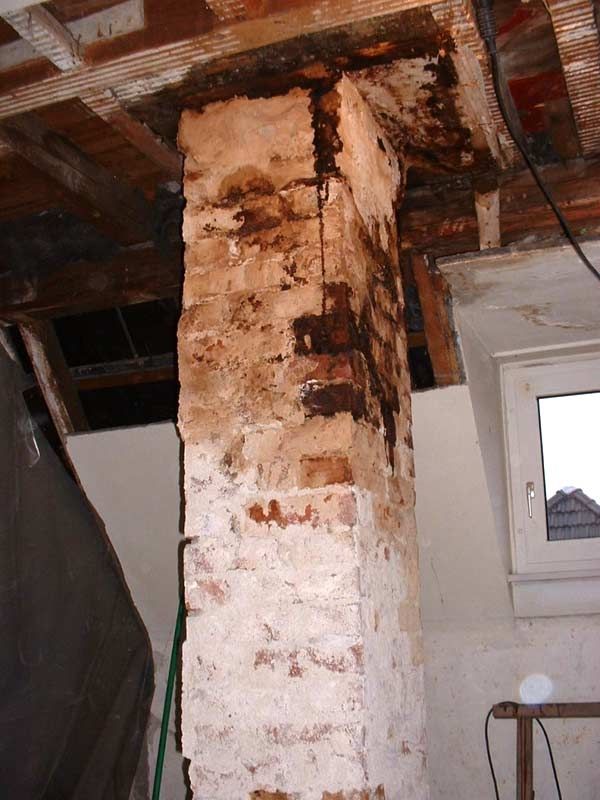
You should install a chimney liner when your masonry chimney shows signs of deterioration (crumbling mortar, spalling bricks, rust stains), when you experience smoke backup or weak draft, when you switch to a new stove or fuel type, or when your chimney is over 30 years old and was built without a liner or with outdated clay tiles.
Read More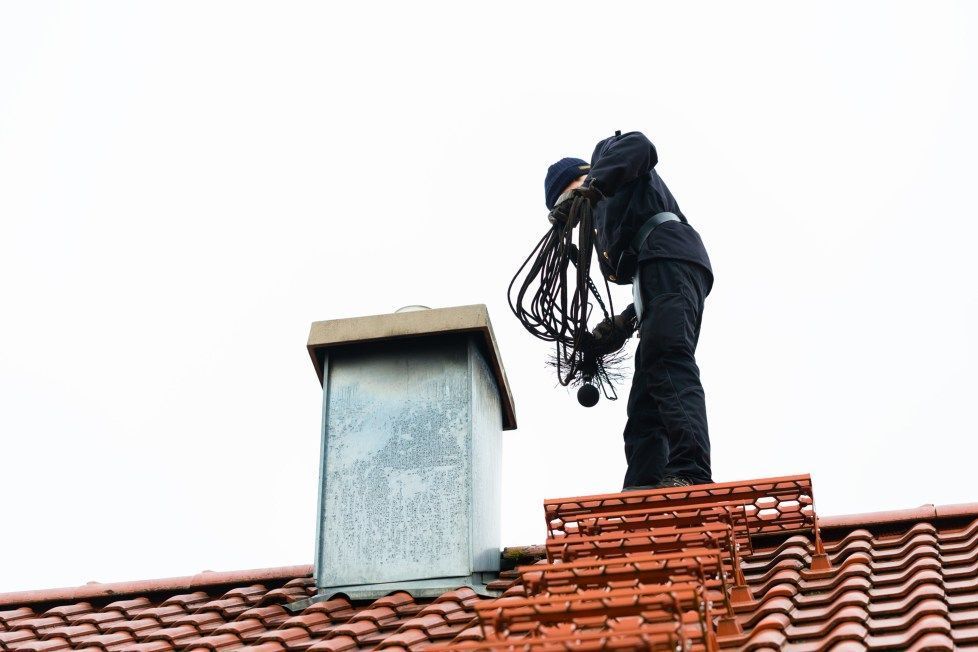
Inspect your chimney at least once a year and clean it when the inspection shows that sweeping is needed. Use a brush approved for the flue material and call a professional for glazed creosote, damage or unsafe access.
Read More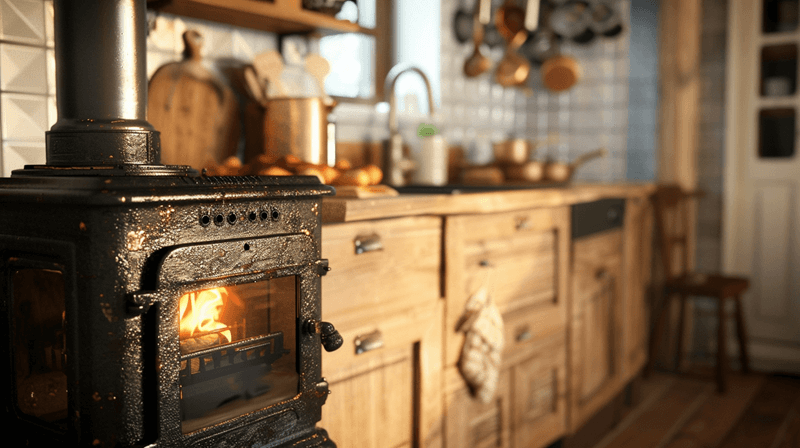
Yes, you can install a small wood burning stove in your kitchen as long as you meet clearance-to-combustibles requirements, use UL 103 HT listed chimney pipe for any wall or ceiling penetration, install a non-combustible hearth pad, and comply with your local building code and permit requirements.
Read More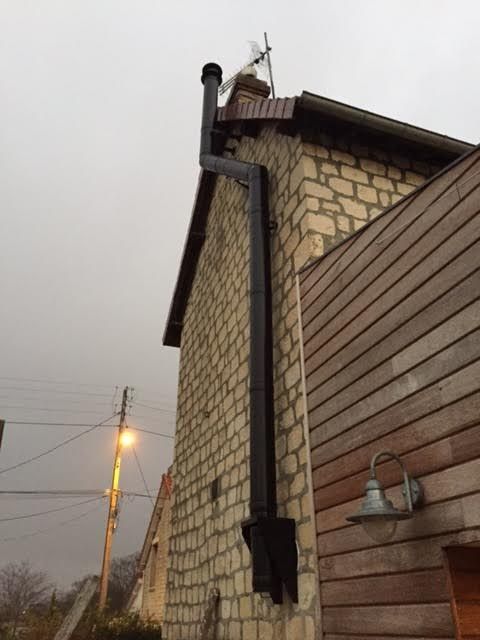
An external Class A chimney pipe runs vertically along the outside of your house, connecting to a wall thimble where the stove pipe passes through. You need UL 103 HT listed double-wall insulated pipe, wall brackets every 4 to 6 feet, and a proper termination that meets the 3-2-10 rule.
Read More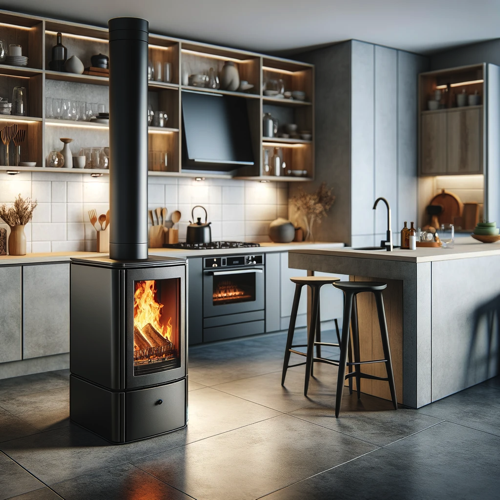
To install chimney pipe through the house, connect double wall stove pipe from your wood stove up to a ceiling support box, then switch to UL 103 HT listed Class A insulated chimney pipe for every penetration through ceilings, attic, and roof. Maintain 2 inches of clearance to combustibles around the Class A pipe and install firestops at each floor level.
Read More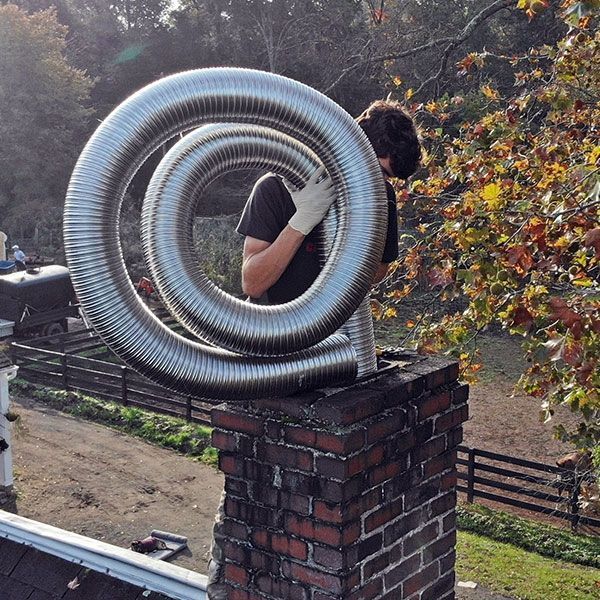
To insulate a chimney liner, either wrap it with a ceramic fiber insulation blanket before feeding it down the chimney, or pour vermiculite fill into the gap between the liner and the chimney walls from the top. The wrap method is easier for new installations, while vermiculite works better for existing liners that are already in place.
Read More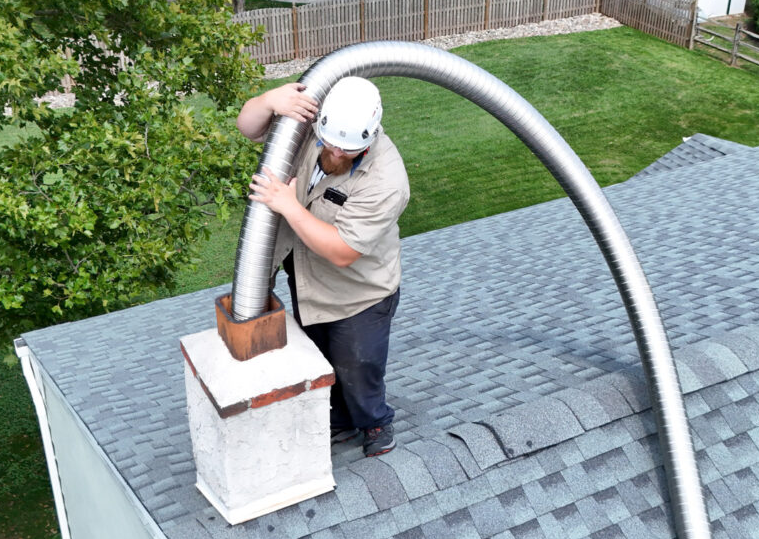
You should install a stainless steel chimney liner because it protects your masonry chimney from heat damage and acid corrosion, improves draft by reducing the effective flue diameter, prevents carbon monoxide from leaking through cracks in old mortar joints, and reduces creosote buildup. It is required by most U.S. building codes (NFPA 211) when installing a new wood stove or replacing an old liner.
Read More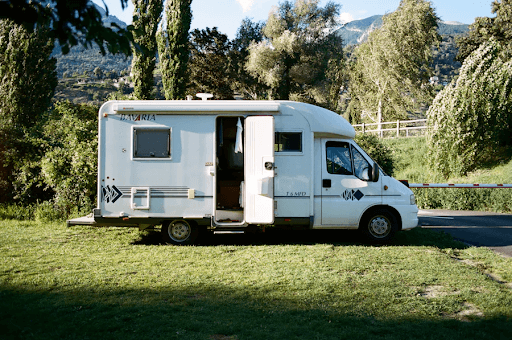
To install a wood stove in a campervan, mount a compact stove on a non-combustible hearth pad, install a heat shield on the wall behind it, cut a roof exit for a double-wall insulated chimney pipe, and secure all connections with brackets and high-temperature sealant. You also need a carbon monoxide detector, a fire extinguisher, and proper ventilation during use.
Read More