What Does a Stove Pipe Actually Do?
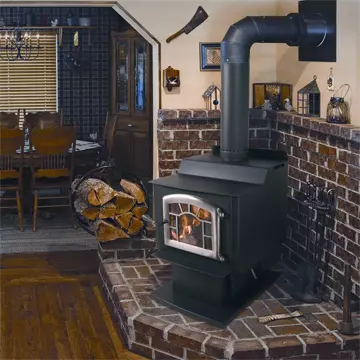
Planning the full system rather than only the connector pipe? Use our installation guide to plan the complete chimney route before ordering.
A stove pipe is the connector between your wood-burning appliance and the start of your ins
ulated chimney. It carries hot exhaust gases upward, supports steady draft, and should run as short and straight as your layout allows. The single-wall steel surface also radiates heat directly into the room, which adds warmth beyond what the stove itself produces.
Stove pipe is not a chimney. It cannot safely handle the heat transfer that happens inside walls, ceilings, or attics. That job belongs to Class A insulated chimney pipe, which is tested and rated to contain chimney fire temperatures up to 2100 degrees F. For a full breakdown of how to install single-wall stove pipe, see our step-by-step guide.
Single-Wall vs Double-Wall Stove Pipe - How Do They Compare?
Choosing between single-wall and double-wall comes down to three things: how much room heat you want, how much clearance you have, and how well your chimney drafts. Here is a side-by-side comparison:
| Feature | Single-Wall Stove Pipe | Double-Wall Stove Pipe | Class A Chimney Pipe |
|---|---|---|---|
| Use location | Same room only | Same room only | Through walls, ceilings, attics, outdoors |
| Clearance to combustibles | 18 inches | 6 inches | 2 inches |
| Room heat radiation | High - heats the room directly | Lower - air gap insulates | Minimal - fully insulated |
| Draft performance | Good in warm rooms | Better - keeps flue gases hotter | Best - insulated for full draft |
| Best for | Short runs in heated rooms with plenty of clearance | Basements, cold rooms, tight clearances | Any structural penetration or outdoor section |
| UL listing | Not UL 103 HT listed | Not UL 103 HT listed | UL 103 HT listed (2100 degrees F) |
| Cost | Lowest | Moderate | Highest |
For a deeper look at double-wall connector installation, check our dedicated guide. And if you are comparing Class A systems specifically, see our article on the best Class A chimney pipes.
How Do You Size Stove Pipe Correctly?
Match the inside diameter of your stove pipe to the flue collar on your stove. Most modern wood-burning stoves use a 6" or 8" outlet. Use the exact same diameter for the connector pipe. NFPA 211 does not allow reducing the connector size below the appliance outlet unless the manufacturer's installation instructions specifically permit it.
Downsizing the connector weakens draft and increases creosote buildup - both are fire hazards. If your stove has a 6" collar, use a 6" stove pipe. If it has an 8" collar, use an 8" stove pipe.
Keep the connector run as short and straight as possible. Pitch the pipe upward at roughly 1/4" per foot toward the chimney connection. Every elbow and horizontal run adds resistance and reduces draft.
When Do You Switch to Class A Chimney Pipe?
The moment your venting path hits a wall, ceiling, floor, or attic, stove pipe stops and Class A insulated chimney pipe takes over. This is not optional - it is required by NFPA 211 and virtually every local building code in the United States.
Class A chimney pipe is UL 103 HT listed, meaning it has been tested to withstand temperatures up to 2100 degrees F during a chimney fire. It requires only 2 inches of clearance to combustibles, compared to 18 inches for single-wall stove pipe. If you are running a chimney through your house, our guide on chimney installation in a 2-story house covers the full process.
Follow the 3-2-10 rule for chimney termination height: the chimney must extend at least 3 feet above the point where it exits the roof, and at least 2 feet higher than any part of the building within 10 feet horizontally.
DIY Installation Tips for Stove Pipe
- Crimped ends down. Install with crimped (male) ends pointing down toward the stove. This keeps condensate and creosote inside the pipe instead of dripping onto your stove or floor.
- Secure every joint. Use at least three stainless steel screws per joint on single-wall pipe. Double-wall connectors use a built-in locking system - follow the manufacturer's instructions.
- Limit direction changes. Every elbow adds draft resistance. If you need an offset, use matched 15-degree or 30-degree elbow pairs and support them per the system instructions.
- Maintain clearances. Keep 18 inches of clear space between single-wall pipe and anything combustible (wood framing, drywall, furniture, curtains). Double-wall connectors typically need 6 inches - verify in your product manual.
- Do not seal unless instructed. Many listed connector systems rely on mechanical joints, not sealants. Only apply high-temperature sealant where the product manual says to.
For a complete walkthrough of stove pipe and chimney installation, see our installation guides page with step-by-step instructions and videos.
Maintenance and Cleaning
Inspect your stove pipe and chimney system at least once a year, or more often if you burn wood heavily. The National Fire Protection Association (NFPA 211) recommends cleaning whenever creosote deposits reach about 1/8" thickness.
Check joints, screws, and pipe surfaces for corrosion, warping, or gaps during each inspection. Sweep the connector and chimney regularly during burning season to manage creosote before it becomes a hazard. If your single-wall pipe shows surface rust or flaking, touch it up with high-temperature stove paint on a cool, clean surface. For a complete cleaning walkthrough, read our guide on how to clean your chimney.
Which Products Do You Need?
Your shopping list depends on three things: your stove's outlet diameter, whether you want single-wall or double-wall, and the parts needed for your specific layout. Here is what to consider:
- Diameter: 6" stove pipe or 8" stove pipe - match your stove's flue collar
- Wall type: single-wall for maximum room heat, or double-wall stove pipe for tighter clearances and better draft stability
- Layout parts: elbows (45-degree/90-degree), adjustable slip sections, tee with cap, adapters, and trim collars
- Chimney transition: when the run reaches a wall or ceiling, switch to Class A chimney pipe or pick a complete Class A chimney kit that includes everything from the transition adapter to the rain cap
Not Sure Which Setup Is Right for You?
Every wood stove installation is different. Your ceiling height, room layout, chimney route, and local building codes all affect which stove pipe and chimney components you need. If you are not 100% sure, use our free chimney design service - send us your stove model, outlet size, and a quick sketch of the room, and we will send you a custom recommendation within 24 hours.
You can also call us at 888-834-0880 (9 AM - 9 PM, 7 days a week) or browse our chimney liner kit configurator to build your own system online.
Frequently Asked Questions
What size stove pipe do I need for my wood stove?
Match the stove pipe diameter to your stove's flue collar. Most wood-burning stoves use a 6" or 8" outlet. Use the same size for the connector - never reduce the diameter unless the stove manufacturer's manual specifically allows it. Reducing size weakens draft and increases creosote risk.
Can I run stove pipe through a wall or ceiling?
No. Stove pipe is for indoor use in the same room as your stove only. Any time the venting path passes through a wall, ceiling, floor, or attic, you must switch to a UL 103 HT-listed Class A insulated chimney pipe. This is required by NFPA 211.
What is the clearance to combustibles for stove pipe?
Single-wall stove pipe requires 18 inches of clearance to combustibles. Double-wall stove pipe typically requires 6 inches. Class A chimney pipe requires only 2 inches. Always verify the exact clearance in your product's installation manual, as listed clearances may vary.
Is single-wall or double-wall stove pipe better?
It depends on your setup. Single-wall costs less and radiates more heat into the room - a good choice for short runs in warm, spacious rooms. Double-wall keeps flue gases hotter for stronger draft, which helps in basements, cold rooms, or longer connector runs. See our full comparison: single-wall vs double-wall stove pipe. If the stove outlet is 6 inch and the wall is close, our 6 inch double wall connector pipe is the range to work from.
How often should I inspect and clean my stove pipe?
At least once per year, or more often during heavy use. NFPA 211 recommends cleaning whenever creosote deposits reach about 1/8" thickness. Regular inspection also catches corrosion, loose joints, or warped sections before they become a safety problem. Read our full chimney cleaning guide for step-by-step instructions.
Need More Information?
Hopefully, you just got all the answers you need, but maybe you still have a question. If you want to know about this or any other topic relating to domestic burners and flue pipes, then please check out our FAQ page.
Here are our installation guides. Chimney pipe for wood burning stoves
If you have a more specific problem, or you need your purchase sorted out quickly, then take advantage of our years of experience and head to our contact page.