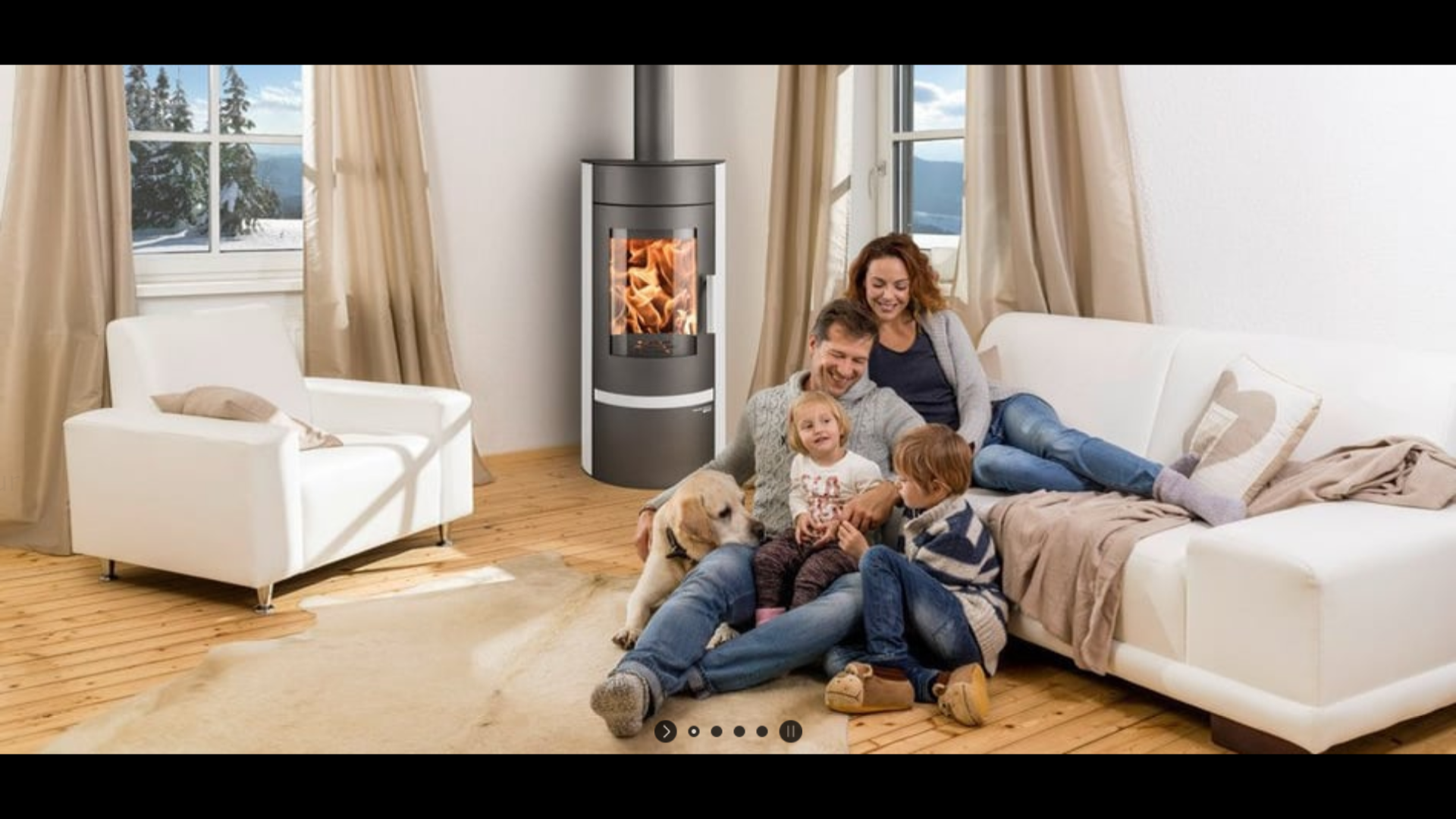
Short answer: use a chimney liner when you already have a masonry chimney and need to make the inside safe for a modern stove; use Class A insulated chimney pipe when there is no masonry chimney and you are building the vertical run yourself.
Read MoreInfo
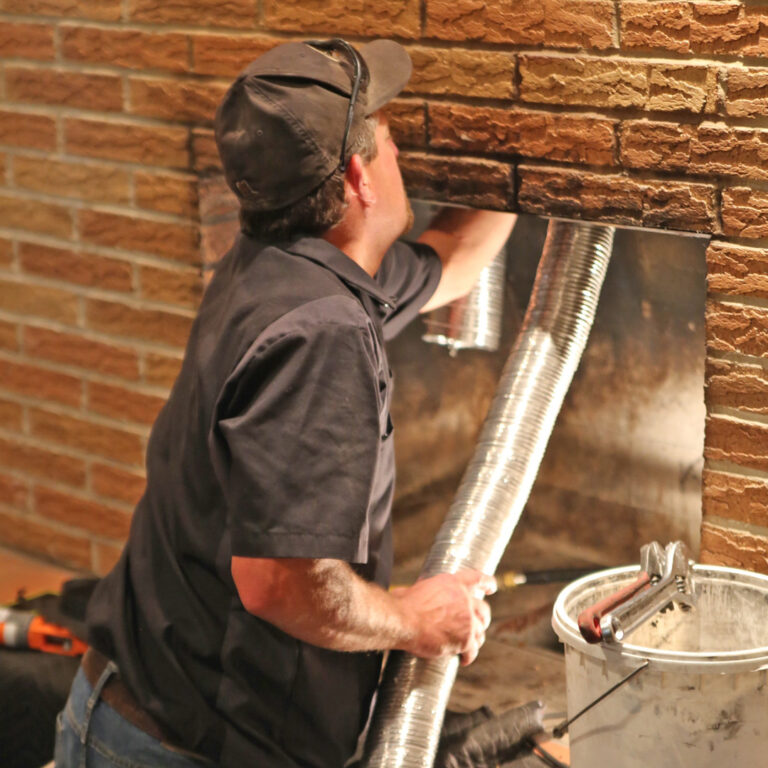
Short answer: doing it yourself is the cheaper way, by a wide margin, and for a straightforward single-story run it is not a hard job. A basic kit runs a few hundred dollars in parts. Hire a pro to fit that same kit and you typically pay as much again in labor, for work that mostly comes down to stacking pre-matched sections and following the clearances printed on the box
Read More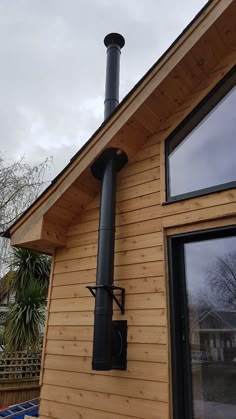
Short answer: for a new wood stove, a Class A insulated pipe system is faster, lighter, and cheaper than building a masonry chimney, and for most homes it's straightforward enough to install yourself, no mason, no foundation, no specialized crew. Masonry earns its place when you want a permanent, traditional chimney and are happy to pay for the foundation, the mason, and the time that take.
Read More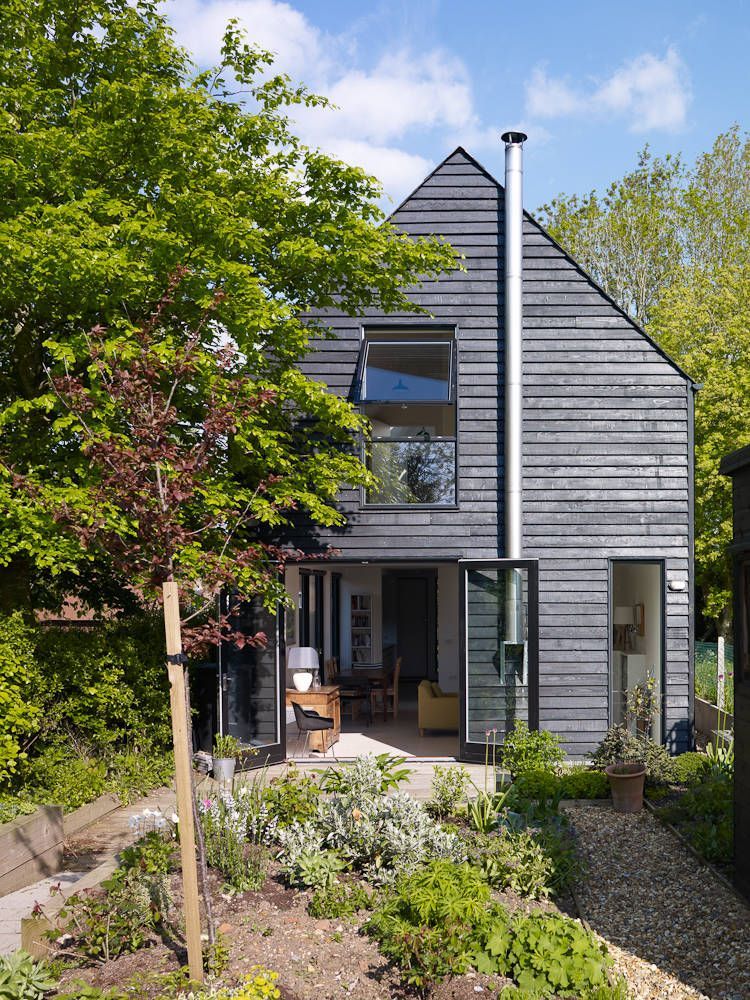
Quick answer: A flue is the inner channel or pipe that carries smoke and combustion gases out of your home. A chimney is the full vertical structure that houses the flue and rises above the roof. Put simply: the chimney is the box, and the flue is the tube inside it that does the venting. One masonry chimney can hold several flues, while a modern Class A insulated system combines the flue and the chimney structure into one engineered unit.
Read More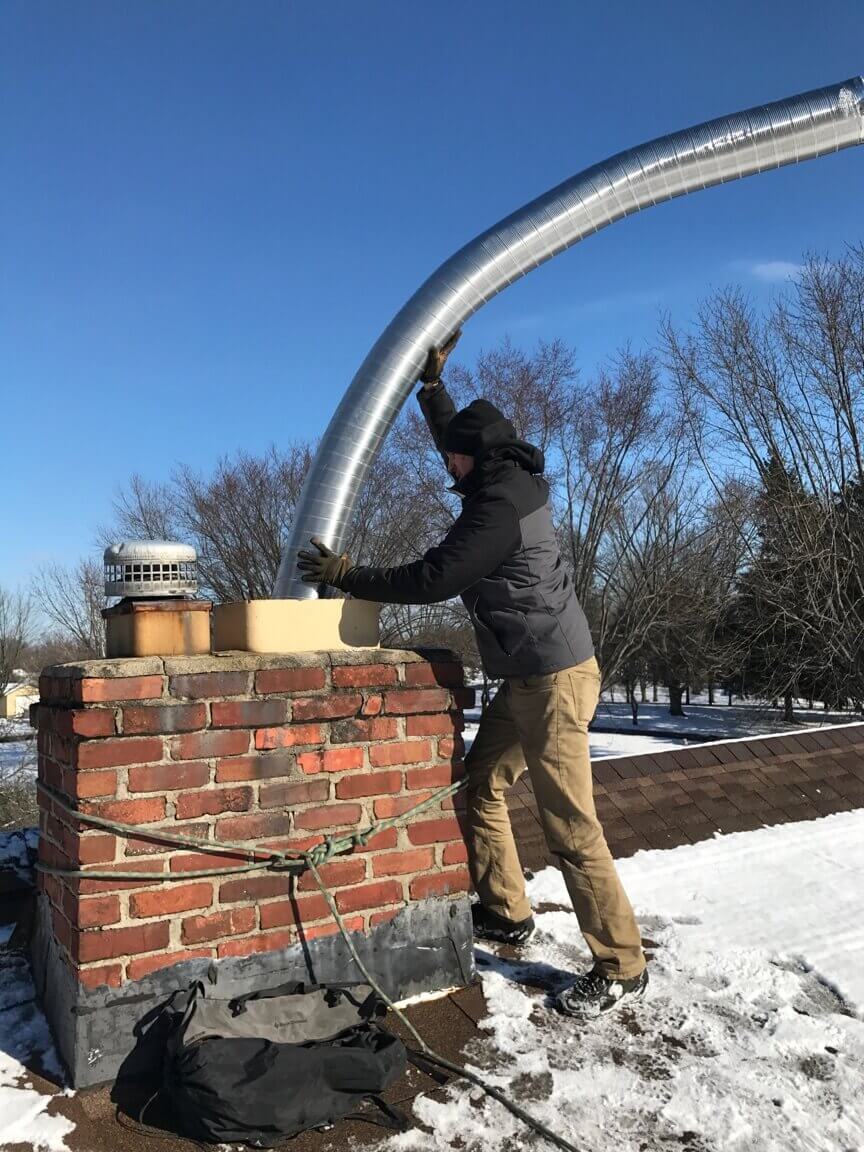
Match the liner to your appliance's flue outlet first, never to the masonry opening. Most modern wood stoves use a 6 inch round liner; a 5 inch liner suits smaller stoves whose manufacturer specifies a 5 inch flue collar.
Read More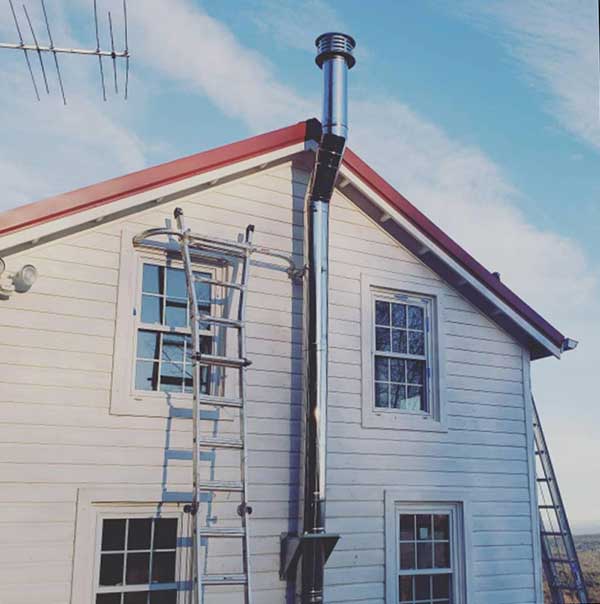
The right kit is decided by how your chimney leaves the house, not by the stove alone. Going straight up through the roof needs a Class A through-the-roof kit; punching out a side wall and running up the outside needs a through-the-wall kit. a garage, a two-story home, or an existing masonry chimney each have their own matched kit.
Read More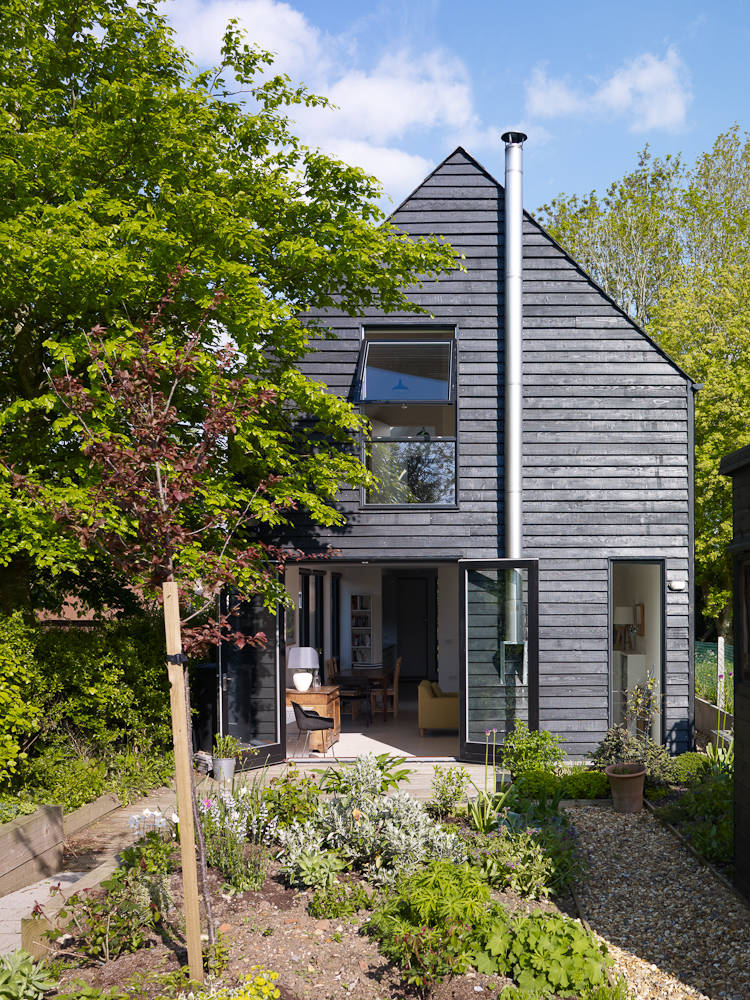
A complete Class A chimney system starts at $547 for a 6" through-the-roof install and can reach $1,300 or more for a two-story through-the-wall setup. Real prices by installation type, individual component costs, and the factors that drive the total.
Read More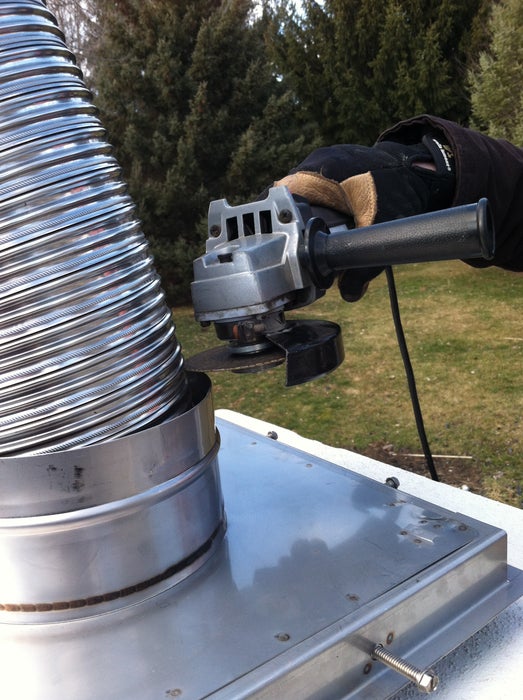
Quick answer: A DIY chimney liner kit costs $559 to $859 depending on diameter and chimney height. A professional reline is quoted at roughly $1,500 to $3,800. The difference is labor: the 316Ti stainless liner is the same either way.
Read More
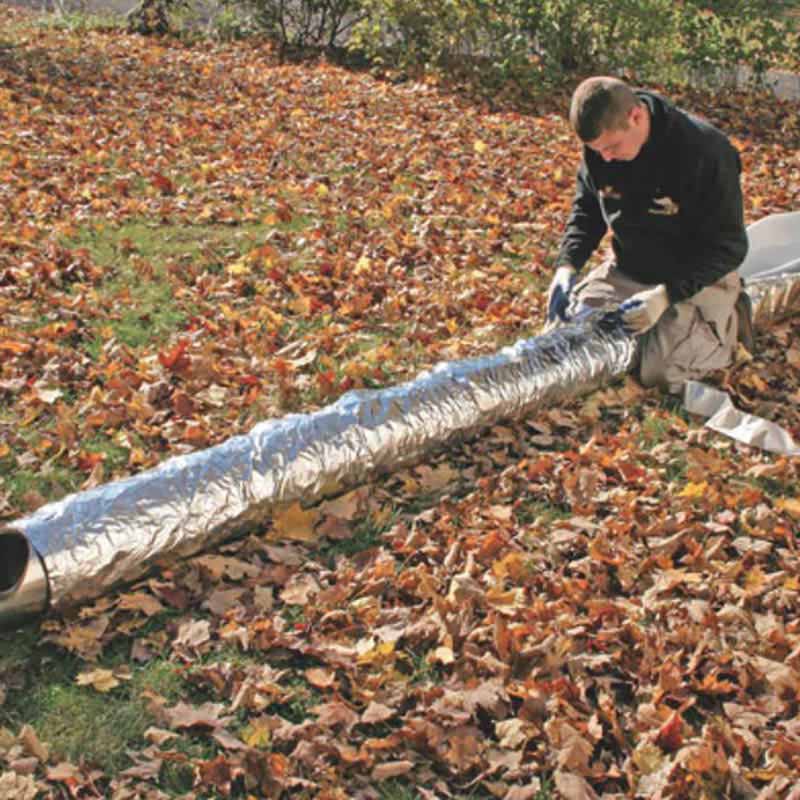
For most wood stove and coal stove installations, yes, a chimney liner should be insulated. Insulating the liner keeps the flue gases hot, which gives a stronger draft and far less creosote, and it is often required to meet the liner's safety listing.
For gas, oil and pellet appliances it is usually not needed.

Relining a chimney is one of the most common ways to make an old masonry chimney safe again for a wood stove, insert, or other appliance.
But relining is not a free-for-all. In the United States it is governed by national safety standards, the liner manufacturer's own listing, and your local building code.
Read More