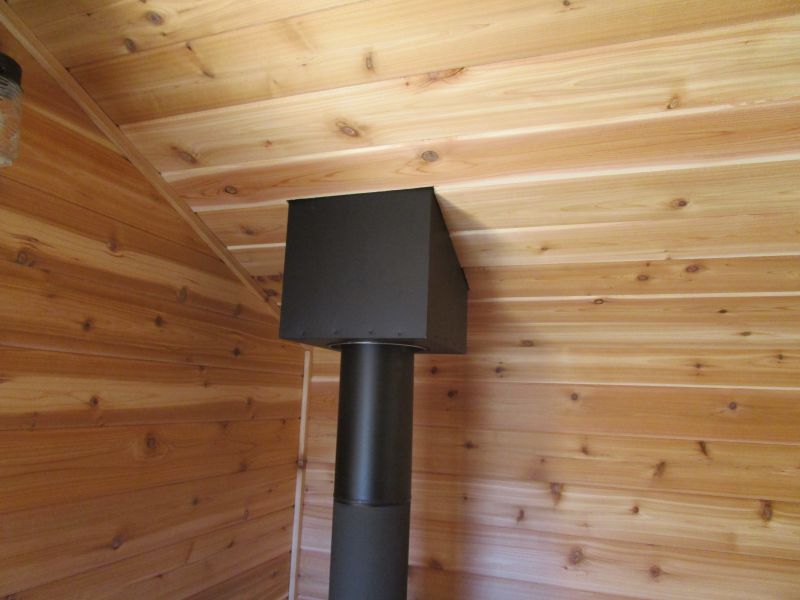
Use double-wall connector pipe when your stove sits near a wall, because it needs just 6 inches of clearance to combustibles instead of single-wall's 18 inches. Use single-wall when you have the space and want cheaper pipe that throws more heat into the room. Both are completely safe at their listed clearances.
Read MoreInfo
At least once a year. NFPA 211 requires all chimneys, fireplaces, and vents to be inspected annually, even if you rarely use them. If you burn wood daily during the heating season, you should also check for creosote buildup midway through winter. An annual inspection catches problems like cracked liners, loose joints, and blockages before they become dangerous or expensive.
Read MoreChimney pipe clearance from the ceiling depends on the pipe type. Single-wall stove pipe needs 18 inches of clearance to a combustible ceiling. Double-wall stove pipe needs 8 inches, and some brands go as low as 6 inches if the product is specifically rated.
Read MoreMost wood stove installs use two pipe types working together: single or double-wall stove pipe inside the room, and UL 103 HT listed Class A chimney pipe from the ceiling or wall to the outside. The two are not interchangeable. You size the diameter to match your stove's flue collar, usually 6 or 8 inches. The wrong pipe in the wrong spot fails inspection and creates a real fire risk.
Read More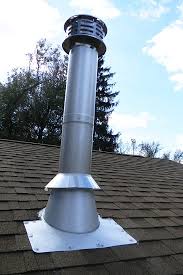
Replacing a chimney pipe costs anywhere from $300 to $7,000 or more, depending on the type of pipe, the height of your chimney, and whether you do the work yourself or hire a pro. This guide breaks down every cost factor so you can budget with confidence.
Read More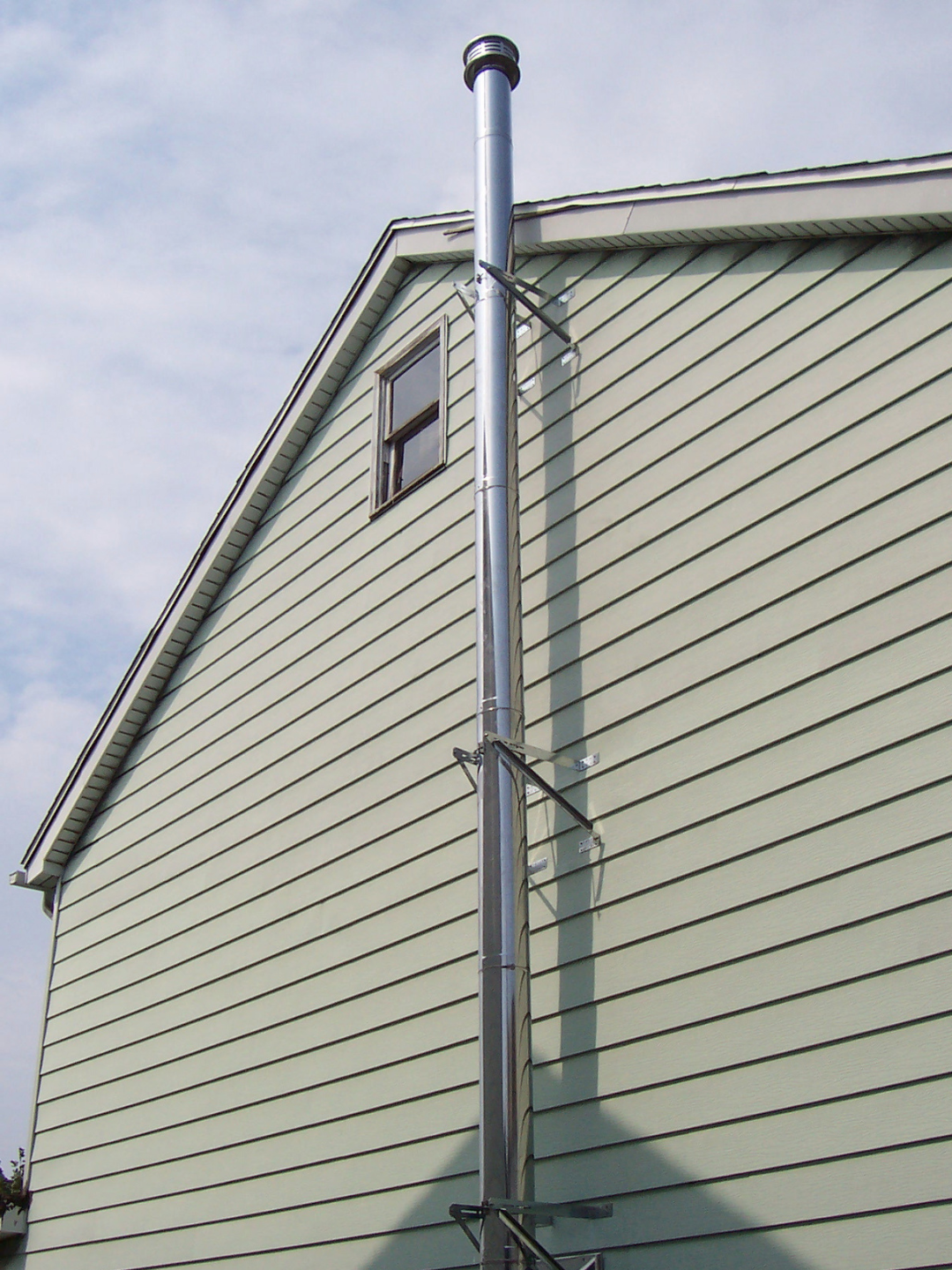
Chimney pipes can last anywhere from 5 years to a lifetime, depending on the type of pipe, the material it is made from, how often you use your stove, and how well you maintain the system. Single-wall black stove pipe typically lasts 5 to 10 years. Double-wall stove pipe can go 15 to 20 years. A quality Class A insulated chimney pipe that is UL 103 HT listed can last 25 to 50 years or more with proper care.
Read More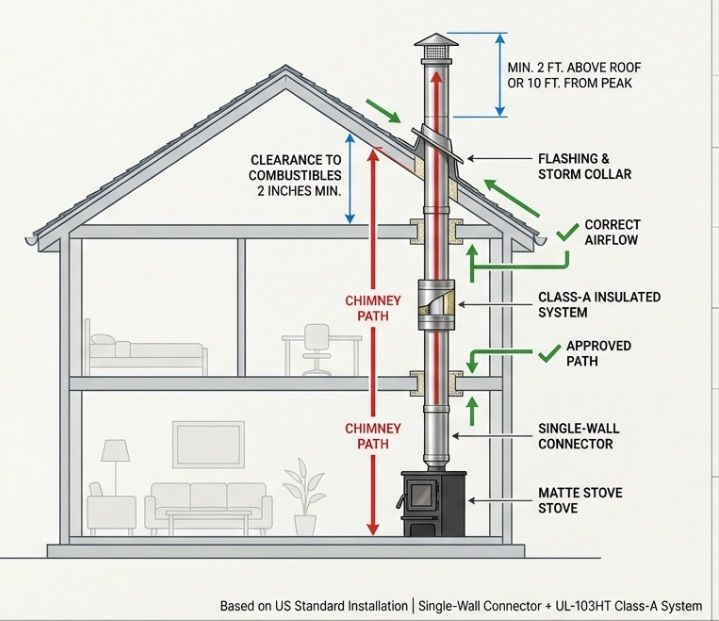
To install a chimney pipe in a multi-story house, use connector (stove) pipe only in the room and transition to a UL 103HT listed Class A insulated chimney at the ceiling support box. The Class A chimney then passes through each floor, attic, and roof with 2-inch clearance to combustibles at every level.
Read More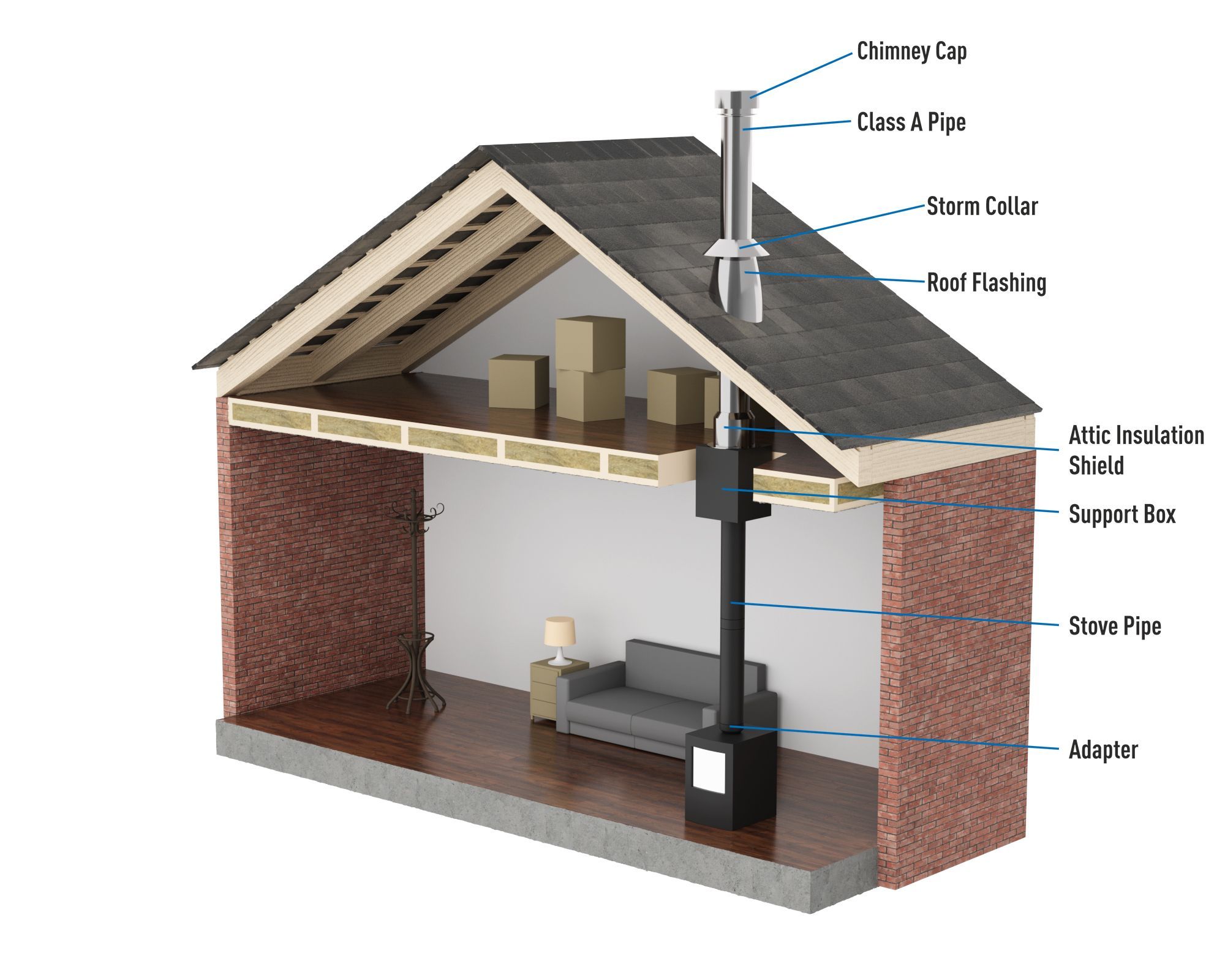
To install a chimney through the attic, connect a stove pipe from your wood stove to a ceiling support box, then transition to UL 103HT listed Class A insulated chimney pipe that runs through the attic and exits the roof. Choose the correct support box length (11", 24", or 36") based on your total ceiling thickness.
Read More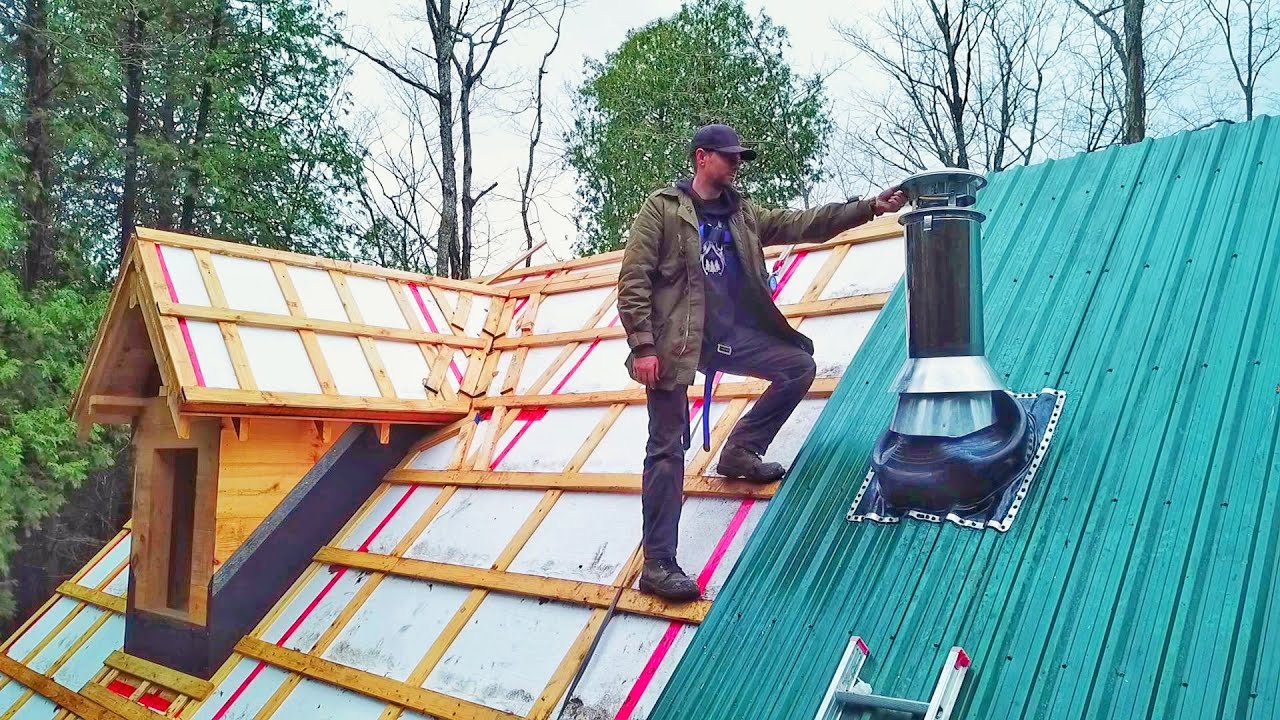
You install a chimney through a cathedral ceiling by running stove pipe from the appliance up to a ceiling support box, then switching to Class A insulated chimney pipe (UL 103 HT) for everything that passes through the roof. Because there is no attic, the support box mounts directly to the ceiling framing, and the chimney exits straight through the roof above.
Read More
 Side-by-side comparison of the top Class A chimney pipe brands in the U.S. - Ventis, DuraTech, Selkirk, and Flue-Pipes.com. Compare materials, UL 103HT certification, warranty, and pricing.