
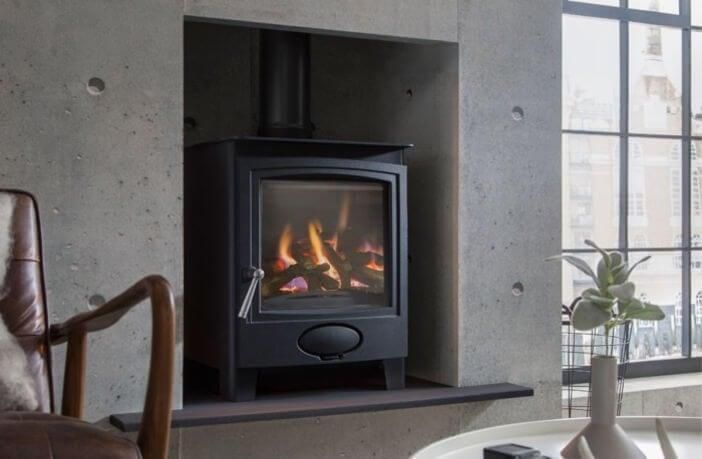
When you install a gas stove or hob, you must adhere to a range of different gas fire regulations in the UK. Unfortunately, many people are unfamiliar with the regulations, which puts them at risk of unintentionally breaking the law.
In this article, we'll investigate the different regulations and ensure you have all the information you need to legally install your new gas stove or hob.
Key Takeaways
- It's essential to ensure that you purchase a stove which aligns with your chimney and flue,
- A chimney for a gas stove must be installed according to the UK building regulations.
- In the UK, one of the principal gas stove installation regulations states that the stove must be installed by a qualified engineer with a Gas Safe registration.
- When installing a gas stove, you also need to meet a range of secondary conditions, including installing a CO detector and having the chimney inspected annually.
- It’s important to ensure that your floor has the strength needed to bear the weight of a gas stove and chimney.
- There are specific requirements for hearths as well, especially in terms of materials and sizing.
Before You Buy
Before purchasing any specific type of gas stove, take the time to consider the different flue options. You can choose between a flueless stove, a stove with a flue, and a stove with a balanced flue.
Flueless gas stoves vent their gases directly into the room. However, the gas stove installation regulations say that you can only install these stoves where there is sufficient ventilation. If you live in a home with little ventilation or don't like the idea of having combustion fumes exhaust into the room, there may be better options.
Flue gas stoves vent exhaust gases through an existing flue or chimney. While these are the most common type of gas stove, they do require additional inputs, as you need to ensure that your existing flue is compatible with the stove or install a new twin-wall flue system.
Gas stoves with a balanced flue have two flue pipes rather than one. One pipe then exhausts fumes out of the room while the other pulls fresh air into the room. These are among the safest options, offering excellent efficiency. They are suitable even for small spaces as long as there's good ventilation. These stoves also don't require a chimney.
Main Installation Requirements
The principal gas stove installation regulations in the UK focus on two main things. First, you must ensure that you have a chimney or flue if you use a flue or balanced flue stove. Whether you have an existing flue and chimney or you have one installed, it's essential to ensure that the structure follows UK building regulations.
If you are building a new chimney, you must obtain a sign-off from a building inspector after the installation.
The second main regulation regarding installation states that a Gas Safe registered engineer must install the stove. In the UK, you cannot legally install a gas appliance as an unregistered layperson. All gas installations must be done by qualified engineers with the appropriate certifications.
Health and Safety Requirements:
As with most countries, the UK's gas fire flue regulations are not limited to those surrounding installation. Some of the safety requirements include the following:
Install a CO Detector
Installing a CO detector near the new stove ensures that any carbon monoxide leaks are detected immediately. Unfortunately, failure to comply with this requirement can be fatal.
Carbon monoxide is a lethal gas that is 100% colourless, tasteless, and odourless. If you don't have a carbon monoxide detector, you can easily gas yourself accidentally if something goes wrong with the stove.
Chimney Inspection
Before officially installing your new gas stove, arrange for a chimney inspection. This is in addition to the inspection that ensures the chimney meets building regulations. Instead, this inspection ensures the chimney is clean, safe, and in good working order.
These inspections usually consist of three parts, namely:
- A visual inspection by a chimney sweep to check for cracks, blockages, and any visible signs of deterioration or damage.
- Having the chimney swept to remove soot, debris and any buildup of creosote (which is a natural byproduct of certain types of combustion). Having your chimney swept ensures that the airflow is good, and also helps to prevent chimney fires due to a buildup of combustible materials (like creosote).
- A smoke test. The chimney sweep will use a smoke bomb or a similar method to flood the chimney with smoke and check for cracks, holes, or other areas where smoke is escaping from the chimney other than the intended outlet.
After you have installed your gas stove, it's a good idea to have the chimney inspected every couple of years to ensure that everything is in good standing. That said, it's best to arrange for annual chimney sweeping.
Hearth Size and Material, Appropriate Floor Support
Finally, you must ensure that your hearth is of the appropriate size and material to ensure sufficient space between the stove and combustible materials. It also needs to comply with the materials stated in the UK building regulations.
The other side to this is that you need to ensure the floor can support the weight of the stove and the chimney (if you're installing one)
Final Thoughts
As you can see, gas stove installation regulations are not as complex as people often fear. As long as you ensure that your stove meets building and safety regulations and is installed by a certified engineer, you have very little to worry about.
In many cases, old chimneys can be brought up to standard simply by installing a chimney or flue liner. If you have no chimney, you can easily use our twin-wall flue kits to help you install a brand-new flue for your gas stove.
Fortunately, as long as you follow the building code, a certified engineer does not have to do this flue installation. You can hire one to install the stove after the flue has been installed.


