
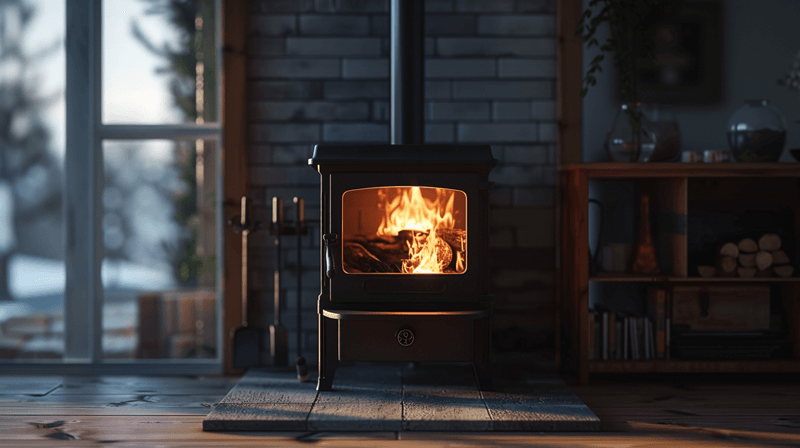
There's something undeniably special about a wood-burning fireplace. The crackle and pop of the logs, the flickering flames—it creates a warm and inviting atmosphere that a gas fireplace just can't match.
If you're thinking about ditching the fake logs and bringing the joy of a real wood fire into your home, converting your existing gas fireplace might be an option.
Key Points
- Get a pro to check your chimney first—not all gas fireplaces can be converted easily.
- You'll need permits and to follow building codes. Don't skip this step.
- It can get pricey, so budget for inspections, new equipment, and labour.
- The switch involves removing gas parts and installing wood-burning ones. Leave it to the experts.
- Wood fires are cosy and can save money, but they need more upkeep than gas.
This guide will give you the lowdown on what's involved in converting a gas fireplace to a wood-burning stove. While it might seem like a simple switch, there are a few things to consider before you get started.
This guide presents the critical stuff, from checking your chimney to ensuring it meets safety regulations. By the end, you'll know exactly what's involved in bringing the cosy charm of a wood fire to your home.
Understanding the Basics
Swapping a gas fireplace for a wood-burning one can bring a whole new character to your living space. Crackling logs and the smoky scent of firewood can create a cosy, traditional atmosphere that gas simply can't replicate.
But before you envision yourself curled up by a roaring fire, it's essential to understand the critical differences between these fireplace styles. Gas fireplaces offer convenient push-button warmth. They're generally easy to maintain and provide consistent heat. However, they lack the ambience and warmth of a real fire.
On the other hand, wood-burning fireplaces deliver a unique charm and a natural heat source. They're often seen as more eco-friendly, as wood is a renewable resource.
The conversion process itself can also be a challenge. In most cases, a gas fireplace won't be suitable for burning wood. You'll likely need a professional to assess your chimney and install a wood-burning stove or liner for safe and efficient operation.
So, while the allure of a wood-burning fireplace is undeniable, weighing the benefits against the practicalities is essential.
Legal Requirements and Approvals
Adhering to specific building codes and laws is central to a safe and legal installation when converting a gas fireplace to a wood-burning stove.
Building Codes and Regulations
Compliance with building regulations is essential. Approved Document J provides detailed requirements for the installation of wood-burning stoves. This includes specifications for the construction and lining of chimneys, ventilation, and the type and thickness of the hearth.
Ensuring your installation meets these standards helps avoid threats like carbon monoxide leaks and chimney fires.
Importance of Obtaining Permits
Before you begin, it's vital to obtain the necessary permits. This step ensures that your conversion project adheres to safety and environmental regulations. Typically, you must notify your local authority about the planned work.
If a HETAS-registered installer carries the installation out, they can self-certify the work, streamlining the approval process and providing you with a certificate of compliance.
Process for Getting Necessary Approvals
- Check Regulations: Verify the specific building regulations applicable to your area. This includes checking if you live in a smoke control area where only certain appliances and fuels are permitted.
- Hire Professionals: Engage a Gas Safe Register engineer to safely disconnect your gas supply and a HETAS-registered installer to fit the new wood-burning stove.
- Notify Local Authority: If not using a HETAS installer, submit a building notice to your local authority before starting the work. Upon completion, an inspection will ensure compliance with building regulations.
- Install Ventilation: Adequate ventilation is required to ensure safe operation of the stove. This might involve installing additional air vents based on the stove's output and the house's air permeability.
Assessing Your Current Fireplace
Before you get too fired up about crackling logs, assessing your existing gas fireplace's conversion potential is crucial. Let's break down what you need to consider:
Evaluating Conversion Potential
Before you dream about cosy nights in front of your new wood-burning stove, you must inspect your current gas fireplace. Not all gas fireplaces can be converted, so it's crucial to assess yours properly.
First, check if your fireplace is a pre-fabricated metal unit or a masonry fireplace. Pre-fab units are trickier to convert and might not be suitable at all.
Chimney Considerations
You're off to a good start if you've got an existing chimney. Check its condition—any cracks or damage will need sorting before considering a wood log burner.
If you have no chimney, don't worry; it's not game over. You might install a flue liner, which will add to your costs.
Suitable Conversion Candidates
Look for a solid, well-built fireplace with a working flue. Measure your fireplace opening—you'll need enough space for your wood-burning stove and the required clearances.
Check the hearth, too; it must be non-combustible and extend far enough to catch stray embers. If your fireplace ticks these boxes, you're on the right track for a successful conversion.
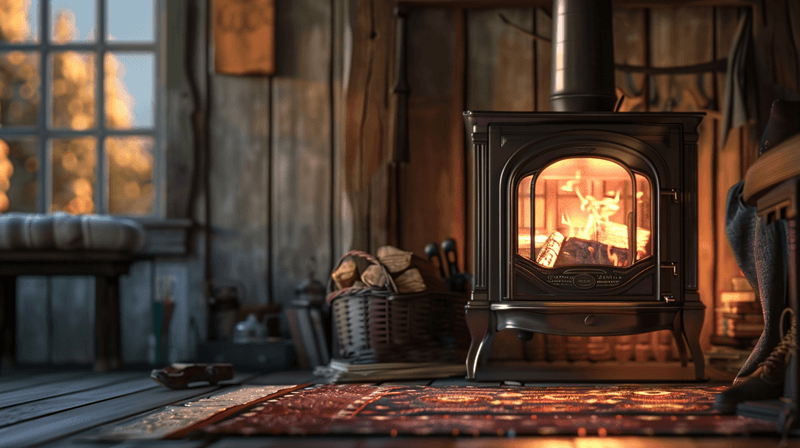
Cost of Converting Gas Fireplace to Wood-Burning Stove
Turning your gas fireplace into a wood-burning stove involves several potential costs. Here’s a breakdown to help you budget effectively:
Inspection Fees
Before any work begins, you need a professional inspection. This can cost between £50-£80, ensuring your current setup is suitable for conversion.
Chimney Installation or Modification
If you have a chimney, it may need lining, costing between £800-£1,500. Without a chimney, installing a twin-walled flue system can range from £1,500-£3,500.
Professional Labour Costs
Hiring professionals is crucial for safety and compliance. Labour costs for a Gas Safe engineer to disconnect the gas supply and a HETAS-registered installer for the stove can range from £300-£700, depending on the job's complexity.
Materials and Equipment
Materials needed include the stove itself (£500-£1,500), chimney liners (£200-£400), and possibly a new hearth (£130-£200). Don’t forget essential items like carbon monoxide detectors and floor protectors.
Additional Costs
Ongoing maintenance is vital. Chimney sweeping annually costs about £50-£80, and regular inspections help prevent issues like creosote buildup, which can lead to chimney fires.
Acknowledging these points will help you estimate the cost of converting a gas fireplace to a wood-burning stove in the UK and plan your budget effectively.
Preparing Your Chimney
Before swapping your gas fireplace for a wood-burning stove, your chimney needs a thorough once-over. It's crucial to ensure it's up to handling wood smoke. Here's what you need to do:
- Get an expert chimney sweep to inspect your flue liner, cap, and damper.
- Clean out any soot or creosote buildup—this stuff's flammable and dangerous.
- Probe for cracks or impairment in the chimney structure and repair as needed.
- Consider installing a new flue liner if your current one isn't suitable for wood burning.
- Make sure your chimney meets the height requirements for wood stoves.
Remember, a properly functioning chimney is vital to keeping your new wood burner safe and efficient. Don't skimp on this step—avoiding potential hazards down the line is worth the effort.
The Conversion Process
Now that you've confirmed your chimney's suitability, let's get down to the exciting part: transforming your fireplace! Here's a breakdown of the conversion process, ensuring a safe and functional wood-burning fireplace for your home.
Removing Gas Components
First things first, we'll remove any lingering gas components. This includes dismantling the gas logs and carefully disconnecting the gas line. Always enlist a registered gas-safe engineer to handle gas line disconnection and capping. They'll ensure everything is sealed shut according to safety regulations.
Installing Wood-Burning Components
With the gas elements out of the way, it's time to prep your fireplace for wood. A key component here is the wood-burning stove. This will be fitted inside the fireplace opening, presenting a secure and adequate platform for your future fires.
Additional adjustments might be needed depending on your chosen stove and fireplace configuration. A qualified technician can advise on any modifications required for a perfect fit.
Testing for Safety and Functionality
Once the wood-burning stove is securely in place, it's crucial to perform safety and functionality checks.
A licenced chimney sweep will survey the flue and liner for proper function and ensure they meet wood-burning safety standards. This provides a smooth draft to vent smoke and appropriately combust your wood fire.
Benefits and Maintenance
There's a reason wood-burning fireplaces remain a coveted feature in many homes. Let's explore the benefits you can enjoy and how to ensure your fireplace continues to be a source of warmth and ambience for years.
Benefits
- Cost-effective: Wood can be a significantly cheaper fuel source than gas, especially if you can access a local supplier and season your wood.
- Ambience and Atmosphere: The crackle and pop of a wood fire create a truly unique and inviting atmosphere in your home, perfect for cosy nights.
- Backup Heat Source: During a power outage, a wood-burning fireplace can provide much-needed warmth, making it a reliable backup heat source.
Maintenance Tips for Longevity
- Regular Cleaning: After each use, remove ashes once the fireplace has cooled completely. A buildup of ash can restrict airflow and reduce efficiency.
- Chimney Sweeping: Schedule a professional sweep at least once a year to remove soot and creosote buildup. This can be a fire risk.
- Burning Seasoned Wood: Only burn dry, seasoned wood. Green or wet wood burns inefficiently and creates more smoke, which can damage your chimney.
Bottom Line
Turning a gas fireplace into a wood-burning stove is a considerable project that demands meticulous consideration and planning.
For your safety and to ensure a successful conversion, it's crucial to have the work completed by a qualified professional. They'll assess your chimney's suitability, safely handle the gas line, and ensure proper wood-burning stove and flue installation.
At flue-pipes.com, we have the expertise and experience to guide you through the entire conversion process. Contact us today, and let's discuss how we can help you turn your gas fireplace into a cosy wood-burning haven for your home.


