

During the breeding season for various types of birds, many dangers may result from their attempting to nest in your chimney, with the main concern being risks like chimney fires.
Because birds typically use dried vegetation as nesting material, and it can be quite flammable, having birds nesting in your chimney or flue can have a devastating impact.
Combined with creosote buildup, a natural byproduct of combustion but also highly flammable, bird nests can be the final straw leading to chimney fires. Chimney fires can potentially burn down your home, so it's best to avoid them.
In this article, we will examine how to remove birds nesting in a chimney and how to prevent this potentially catastrophic situation.
Key Takeaways
- In the United Kingdom, most birds nest between the months of February and August; this is when you should be on the lookout for the appearance of nests in your chimney.
- The Wildlife and Countryside Act of 1981 makes it illegal to intentionally kill, injure, or remove a wild bird from the wild, with the same laws applying to active nests and eggs.
- Prevention is better than cure; use tools like bird cowls to prevent birds from nesting in your chimney, rather than attempting to remove them after they're already there.
- If you have birds actively nesting in your chimney, waiting until the chicks are fledged and have left the nest is your only option.
When to Expect Birds Nesting
It's best to consider how to keep birds out of a chimney rather than how to remove them once they're there. For this reason, it's better to plan and use preventative measures before the breeding season.
In the United Kingdom, the nesting season generally starts in February and ends in August. Only the earliest nesters usually nest in February, with the months from March to July being the peak season, and August nesters are considered late nesters.
There may be a lot of variation, depending on the type of bird as well as prevailing weather conditions.
Bird Species that Nest in Chimneys
Around the world, you may encounter many different types of birds that are quite comfortable nesting in chimneys. This is largely due to the heat provided by the chimney as well as the shelter from elements like rain and bright sunlight.
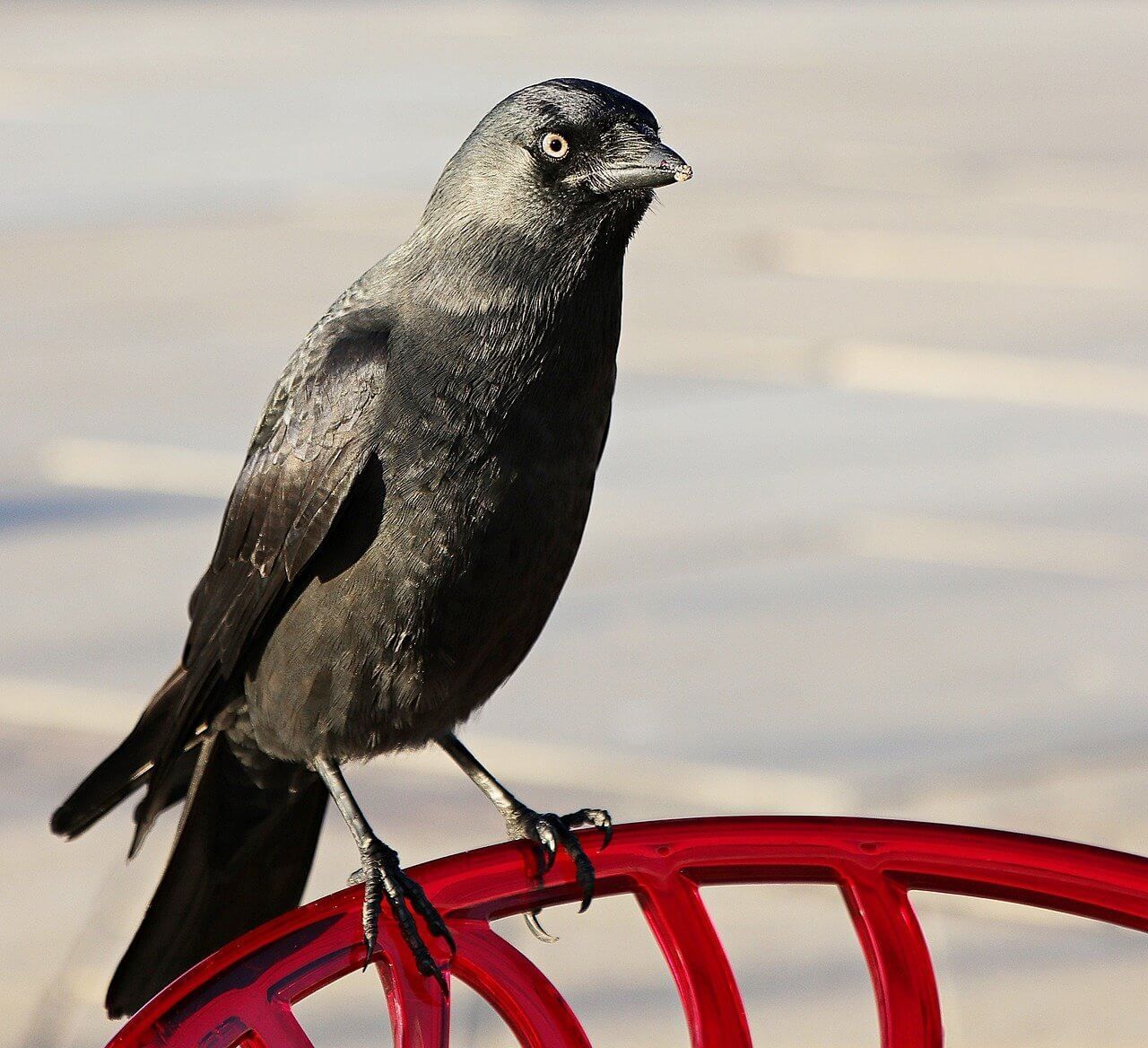
In the UK, the bird species that are most likely to nest in your chimney is the jackdaw. This is a relatively small type of crow with a distinct silver sheen to the back of its head. They are fond of building nests in chimneys by pushing or dropping twigs and other vegetative material down the chimney until it is blocked and the mass no longer falls through.
They will then line the nest with soft materials like feathers, pieces of stolen fabric, and even horse manure.
Typically, they will lay four or five eggs, but only two or three of them may reach maturity.
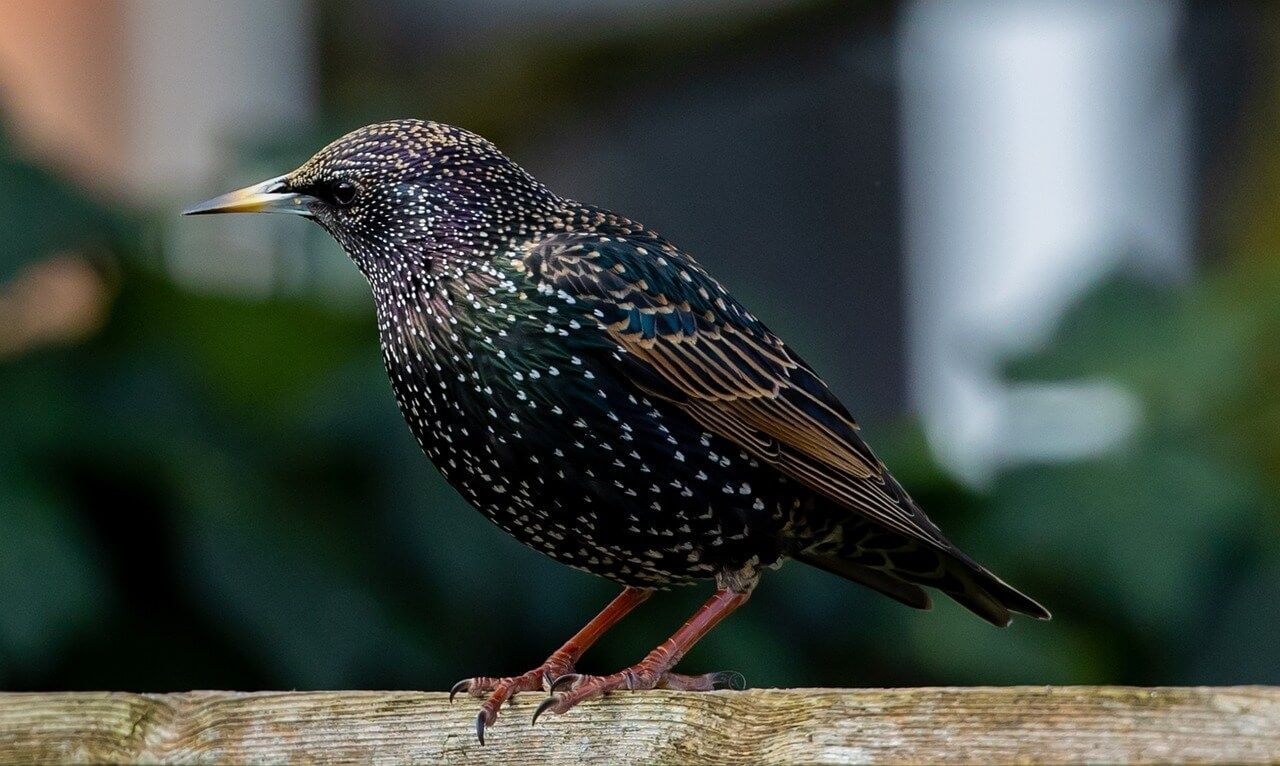
While just about any bird could decide to nest in your chimney, the other bird that commonly does this in the UK is the starling. As you may have guessed, it is also a smaller relative of the crow and uses a similar technique to stuff the chimney or flue till the nest reaches the top, where they can easily line it with soft materials.
These birds typically lay 4 to 6 eggs. However, as with the JackDaw, only a percentage of these chicks will reach maturity.
Some of the smaller bird species which take readily to nesting in chimneys include barn swallows, house martins, feral pigeons, and sparrows. In rare cases, you may even encounter owls nesting in your chimney. As you can see, with such an array of birds waiting to use your chimney as accommodation, knowing how to keep birds out of a chimney is paramount.
Signs of Birds Nesting in Your Chimney
One of the important things to know when you're trying to learn how to keep birds out of your chimney is the signs that birds are trying to nest in your chimney. Here's a short list of the things you should be looking out for during the nesting season:
- Lots of twigs, leaves, small branches, and other materials that birds are likely to use for nesting in and around your fireplace or chimney.
- Bird droppings in your fireplace and chimney or a lot of bird droppings around your chimney on the roof.
- A dead giveaway is when you start hearing a lot of chirping noises or the flapping of wings from inside your chimney or fireplace.
- One final sign to look out for is if you're spotting dead birds around your chimney or in your fireplace. Unfortunately, birds often do not survive their attempts to build a nest in your chimney. However, if one set of birds has tried, it's likely that others will pick up where they left off.
If you notice any of these signs, it's definitely time to take action. Unfortunately, you can't legally remove a live nest containing eggs or chicks. However, if you find the infestation in time, you can prevent the birds from laying eggs and completing their nesting cycle in your chimney, forcing them to nest elsewhere.
How to Prevent Birds from Nesting
As mentioned earlier, it's a lot easier to prohibit birds from nesting in your chimney than it is to try and figure out how to get them out of a chimney once they're there. Here are a couple of suggested things you can try to help keep birds out of your chimney.
- Annual Chimney Sweeping - While birds prefer nesting in a clean chimney, if you have the chimney swept every year at the beginning of the nesting season (mid February to mid-March) the motion and disturbance may actually help discourage birds from nesting in your chimney.
- Bird Spikes - Another moderately effective solution is to install bird spikes around your chimney pot. They will help discourage birds from entering the chimney at all, making the thought of building a nest there uncomfortable.
- Chimney Guards/Bird Cowls - By far the most efficient solution for keeping a bird out of your chimney is the use of a chimney guard (also known as a bird cowl). This is an affordable option that entirely blocks the entrance of your chimney to prevent birds from entering.

How to Remove a Bird's Nest (Legally)
Now that we've discussed how to keep birds out of your chimney let's discuss how to get birds out of your chimney. If the birds have successfully nested in your chimney, there are some legal considerations that need to be met in the nest removal process.
Let's be perfectly clear: you cannot legally remove a bird's nest containing eggs or live chicks. Here's what you'll need to do if you have a live nest in your chimney:
- Wait for the eggs to hatch and the chicks to fledge and leave the nest. This is an essential part of the process and one that you can't get around, unfortunately.
- Don't light any fires in your fireplace, or use your stove if it is connected to the chimney. Birds are protected by law in the UK, and the smoke and fumes from your fireplace or stove may harm or kill the birds.
- Once the chicks have fledged and the birds have left the nest, hire a professional to clear out the chimney.
- Install a bird cowl, so you won't have the same problem again next season.
If you'd like to learn more about the protected status of birds in the United Kingdom, you can read the Wildlife and Countryside Act of 1981.
Since birds typically nest in the warmer months, waiting for them to move on shouldn't be too much of an inconvenience. Thankfully, the colder weather in the UK is a strong deterrent to birds to raise more than one clutch every year.
Final Thoughts
Whether you were interested in learning how to get birds out of a chimney or how to prevent them from nesting there in the first place, all your burning questions have likely now been answered.
If you have birds nesting in your chimney, you will simply need to wait until they finish raising their chicks and move on. It's better by far to keep birds out of your chimney through appropriate measures like bird spikes and chimney guards.
Fortunately, the bird nesting season in the United Kingdom is over before the coldest months. Even if you do happen to have birds nesting in your chimney, you should be able to have the nest removed and install safeguards against the birds' return well before the winter chill sets in.
If you want to get a headstart and ensure that your chimney is bird-proof before the nesting season, we'd be more than happy to help you find the bird cowl or bird guard that will best suit your chimney and flue.


