
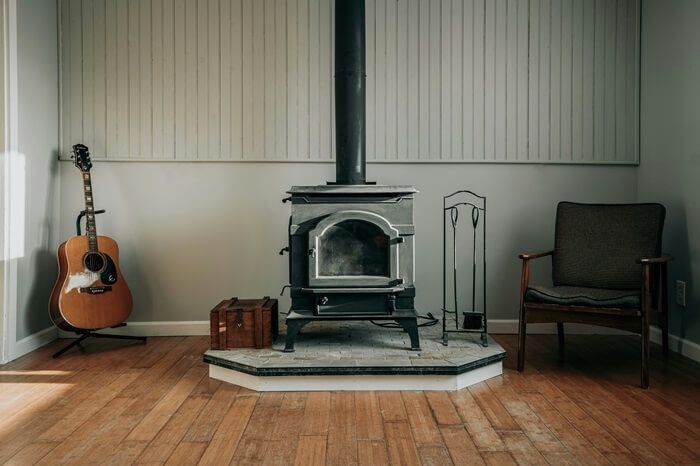
Wood-burning stoves have become a popular heating option for many households, thanks to their ability to provide reliable warmth with a cosy ambience. Flue pipes are an important aspect of stove installations, enabling the safe removal of dangerous smoke and gases from your home.
Choosing the correct wood-burning stove parts and accessories for your property should be a priority when setting up a new system. This mainly relates to the type of stove pipe you will use, with options including single, double, and twin wall flue pipes.
Key Points
- Choosing the Right Stove Pipe: Selecting the appropriate stove pipe is important for safety and performance. Options include single-wall, double-wall, and twin-wall insulated pipes.
- Importance of a Chimney Flue Liner: A chimney flue liner protects the chimney structure, prevents fire hazards, and improves stove performance by ensuring smooth exhaust flow.
- Air Vents for Proper Airflow: Installing air vents is essential, especially in newer homes, to ensure adequate airflow and optimal stove function without drafts.
- Safety with Carbon Monoxide Alarms: Carbon monoxide alarms are mandatory for safety. They detect harmful gases and provide peace of mind for stove users.
- Convenience of Stove Fitting Kits: Stove fitting kits simplify the installation process by including all the necessary parts, reducing the need to source individual components separately.
However, you need to be familiar with other features and accessories. In this guide, we'll cover everything you need to know about wood-burning stove parts and accessories and the necessary stove parts for installation and maintenance.
The Stove Pipe
The stove pipe serves as the channel for smoke and gases to exit the stove and travel to the chimney. Choosing the right stove pipe for your wood-burning stove is critical for both safety and performance.
Types of Stove Pipes
Stove pipes are available in various materials and sizes, with the most common options being stainless steel and steel with an enamel coating. Stainless steel is usually chosen for its durability and resistance to corrosion. Steel with an enamel coating, on the other hand, provides an aesthetically pleasing finish that can be coordinated with the design of the wood-burning stove.
The most common types of stove pipes include:
- Single-wall stove pipes: These are typically used in room installations and connect the stove to the chimney or flue. They are straightforward in design but require a specific clearance from combustible materials to ensure safety.
- Twin-wall insulated stove pipes: Ideal for external runs or when the pipe must pass through walls or roofs, these insulated pipes help maintain flue temperatures and minimise condensation.
Length and Diameter
The pipe must fit snugly to ensure no smoke or gases escape into the room. Typically, stove pipes come in standard 6-inch diameters, excluding Defra-approved wood-burning stoves. Make sure you measure accurately to avoid any potential issues during the stove installation.
Our installation page has more detailed fitting tips. For now, let's review a few basic pointers.
Installation Tips
- Measure Twice, Cut Once: Ensure you have precise measurements before cutting or purchasing your stove pipe. This reduces the risk of errors and ensures a perfect fit.
- Sealing Joints: Use a high-temperature sealant to secure joints and prevent leaks. This is a simple step that improves the safety and productivity of your stove.
- Clearance: Maintain the recommended clearance between stovepipes and combustibles. This is critical to prevent fire hazards.
Stove Pipe Maintenance
Ideally, you should have the stove pipe cleaned annually by a professional chimney sweeper. This will help prevent the buildup of creosote, which can cause chimney fires.
Take great care of the stove pipe, and it will take great care of you. Remember, this is one of the more important wood-burning stove parts, as it directly affects the safety of your home by expelling harmful gases.
The Chimney Flue Liner

The chimney flue liner is another important aspect of wood-burning stove parts and accessories, acting as a protective barrier between the stove's exhaust and the chimney walls, ensuring your stove's safe and efficient operation.
The main function of a flue liner is to contain smoke and gases, directing them safely out of the house, away from potential harm. Without a good flue liner, these dangerous byproducts can gradually seep into the chimney structure, leading to potential damage and increased fire risk.
For homes with traditional stone chimneys, installing a chimney flue liner is essential to protect the masonry and improve the stove's productivity. In cases where there is no existing stone chimney or if additional installation flexibility is required, a twin-wall flue system can be used either inside or outside the house.
Length, Diameter, and Grade
When selecting a flue liner, you need to consider the correct length, diameter, and grade. The length should match the height of the chimney, ensuring a nice, continuous path from the stove to the top of the chimney.
The diameter of the flue liner must correspond directly with the stove’s flue outlet to maintain proper airflow and prevent backdrafts. Common diameters range from 5 to 6 inches, but you should always check the stove manufacturer's recommendations to be certain.
The grade of the flue liner is also extremely relevant, as different grades are available for various fuel types and usage levels. Stainless steel liners are often recommended for wood-burning stoves due to their durability and resistance to high temperatures and corrosion.
Benefits of Using a Flue Liner
Using a flue liner offers several distinct advantages. Primarily, they extend the life of your chimney by protecting it from corrosive exhaust gases. They also improve safety by reducing the risk of chimney fires, which can occur when creosote builds up on the chimney walls. A good flue liner can improve the overall operation of your wood-burning stove, offering solid, reliable performance.
Flue Liner Adaptor
With your stove pipe and flue liner selected, the next step is connecting them - this is where a rigid to flexible flue liner adaptor comes in. As the name suggests, this adaptor connects the stove pipe to the chimney flue liner, ensuring a tight and secure fit. These adaptors usually feature grub or butterfly screws, which are then tightened to keep the stove pipe and flue liner together.
Twin Wall Flue
If your home lacks a traditional chimney, you can still enjoy the benefits of a wood-burning stove by using a twin wall flue pipe system. This system consists of two flue pipes with insulation between them, ensuring the outer pipe remains cool enough to prevent damage to nearby surfaces.
Twin wall flue systems come with a wide variety of accessories, including elbows, straight lengths, chimney cowls, and flashings, allowing you to build a complete chimney from scratch, should you wish. Alternatively, you can buy twin wall flue pipes as a complete set with everything included.
Heat Cement
As one of the more essential wood-burning stove parts and accessories to have on hand when installing your stove, heat cement is used to seal joints around your stove and connect the stove pipe to the chimney flue liner. Heat cement is also used to attach the stove pipe to the stove collar. When you buy heat cement, make sure to choose the colour that complements your stove.
Closure Plates
A closure plate is simply a metal sheet installed at the bottom of a chimney above the stove, effectively sealing the chimney flue. You can think of closure plates as a small ceiling for your fireplace, with a circular hole to allow the stove pipe to pass through and connect with the chimney flue liner.
If you are installing a stove without a chimney flue liner, allowing the stove's smoke to be expelled directly up the cavity, you will need a register plate instead. Register plates provide a similar purpose to closure plates, sealing the base of the chimney flue cavity. They often include a small door to access the chimney flue cavity for cleaning and inspection.
Chimney Cowls
Chimney cowls are hood-shaped coverings that sit at the top of the chimney. They serve multiple purposes, such as increasing updraft and preventing wind from blowing smoke back into your home. They are also useful in stopping birds, squirrels, and debris from entering the chimney cavity.
While not one of the essential wood-burning stove parts and accessories, chimney cowls are recommended, with systems that allow them to be fitted. Both static and revolving chimney cowls offer similar functionality and can greatly improve the safety and performance of your stove system.
Chimney Insulation
If your chimney is built against an external wall or is notably large or tall, chimney insulation should help improve your stove's overall performance. Cold chimneys, for example, can cause draw problems, making it difficult for your stove to operate properly. To address this problem, you can use a chimney flue liner in combination with insulation.
Several methods are available for insulating your chimney, including wrapping the chimney flue liner with a non-flammable glass-fibre blanket. Another option is pouring vermiculite, perlite, or leca granules into the air gap between the liner and the chimney cavity during installation.
Either way, by insulating your chimney, you will find that your stove operates far better and may even be easier to light and maintain.

Air Vents
Depending on the age and structure of your house, you may need to install air vents to ensure proper airflow for your wood-burning stove. Houses built after 2008 generally have lower air permeability, which means they do not allow enough air inside to keep a stove burning optimally. Building regulations require new houses to have air leakage of up to 5 cubic metres of air per hour for every square metre of the building's surface area.
If you're installing a stove in a newer property, air vents are a firm requirement, as they provide sufficient airflow to support your stove. If you're concerned about drafts, anti-draught air vents are also available to minimise this issue.
Insulation Boards
If your stove is not installed in a traditional fireplace, or if you are worried about the surrounding walls getting too hot, consider using insulation boards. This is especially important if you have wooden walls nearby.
When installing the boards, ensure there is a 10mm air gap between them and the walls. This is often achieved by supporting the boards with offcuts. Also, make sure the stove is at least 45mm away from the boards and that the boards extend at least 200mm above the stove.
Heat Resistant Board Adhesive
To secure your heat insulation boards in place, use heat-resistant adhesive. The ready-mixed adhesive is ideal for use on the joints between boards. Look for an adhesive that can withstand high temperatures without issue. Generally speaking, adhesive suitable for temperatures up to 1300ºC should be a minimum requirement.
Stove Fan
Stove fans are among the most popular wood-burning stove parts and accessories on the market. They are a great addition if you're using your stove as the main heat source. They help circulate the warm air generated by your stove throughout the room, making it feel much warmer—and they make a real difference.
A good-quality stove fan can save you money on fuel, as you will need to stoke the fire less frequently. Many options are available, from modern to traditional, so you can choose one that fits your style preferences.
Stove Thermometer
Investing in a stove thermometer can be a wise move. Most stoves don't come with a built-in way to show their temperature, making it hard to gauge whether you're fueling it properly. A stove thermometer solves this problem by attaching it to the stove pipe. It provides a clear indication of the stove's temperature and helps you avoid under or over-fueling on a daily basis.
Carbon Monoxide Alarm
Arguably the single most important wood-burning stove parts and accessories in terms of safety, a carbon monoxide alarm is a must-have for any stove installation and is actually a legal requirement for all stoves installed after October 2010.
The alarm should be placed in the same room as your stove, either on the ceiling or the wall. Tip: make sure the alarm is between 1m and 3m from your stove.
Wood Moisture Metre
Wood moisture meters have also become essential parts and accessories for wood-burning stoves. They ensure that you are using properly seasoned wood, which is important for optimal stove performance. Using wood that isn't properly seasoned can cause poor stove performance, excessive smoke, and potential health risks due to high levels of particulate matter.
Heat Paint
While certainly not one of the most vital wood-burning stove parts and accessories available, stove heat paint can be a useful accessory for maintaining the appearance of your stove over time. Look for brands that offer heat paint able to withstand temperatures up to 800ºC.
Heat paint comes in various colours, such as black, white, silver, red, and cream, and is a handy option for touching up knocks and scratches.
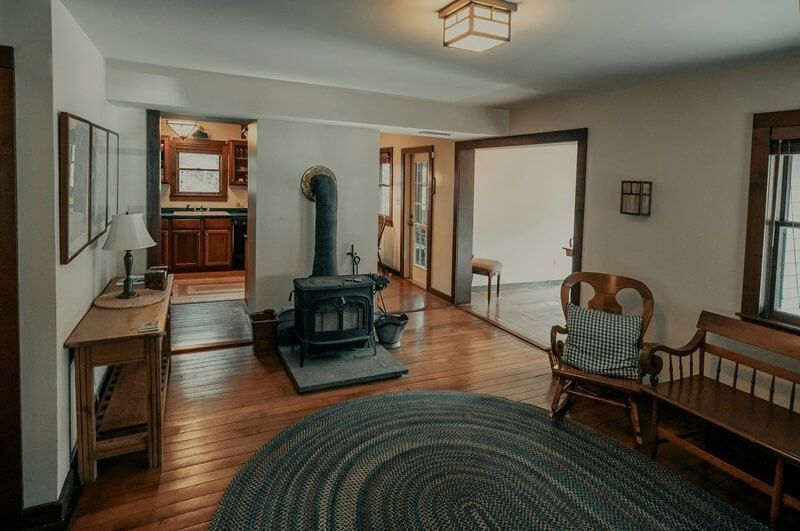
Stove Fitting Kit
Again, this is probably not one of the more important wood-burning stove parts and accessories, but it certainly makes life a little easier if you are fitting yourself. These kits include the main parts needed to install your stove, simplifying the process by reducing the need to source individual components separately.
Bottom Line
Whether you're upgrading an existing setup or installing a new wood-burning stove, understanding the importance of each component should never be overlooked. Each part plays its own important role, from the essential stove pipes that manage gas emissions to the safety measures provided by carbon monoxide alarms and chimney cowls.
Remember, proper maintenance and the use of quality parts not only extend your stove's life but also improve your home's comfort and safety. Equip yourself with the right accessories and enjoy the warmth and reliability of your wood-burning stove year-round.
Whatever your requirements, flue-pipes.com offers a wide range of stove pipes, including black and stainless steel options, as well as all the necessary wood-burning stove parts and accessories.


