
In recent years, prices have been consistently on the rise, leaving people wondering where they can save money to help make ends meet. One of the questions we often get is, "Is a log burner cheaper than gas central heating?"
Many different aspects must be considered when comparing a gas central heating system to a wood stove or wood burner. This article will investigate every aspect of the log burner vs. central heating debate, including financial and environmental implications.
Key Takeaways
- Wood burners can be cheaper to run than gas central heating, especially with rising gas prices.
- Upfront installation costs and ongoing maintenance needs for wood burners should be factored in.
- Wood burning offers environmental benefits like a reduced carbon footprint.
- The suitability of a wood burner depends on factors like home size, insulation, and fuel access.
Cost of Wood Burning Stove Vs. Gas Central Heating
We need to examine the various aspects involved in comparing the cost of wood burners and central heating. Below, we'll do a detailed comparison to see which system is more affordable.
Installation Costs
The first thing to consider is the installation of the appliance. For a wood-burning stove, you can save some money by doing a DIY installation. However, for a gas central heating system, there are many stringent regulations that need to be met since LPG is a flammable, explosive gas.
Wood burning stove installation: Between £1,500 and £4,000
Gas central heating installation: Between £3,000 and £7,000
Fuel Costs
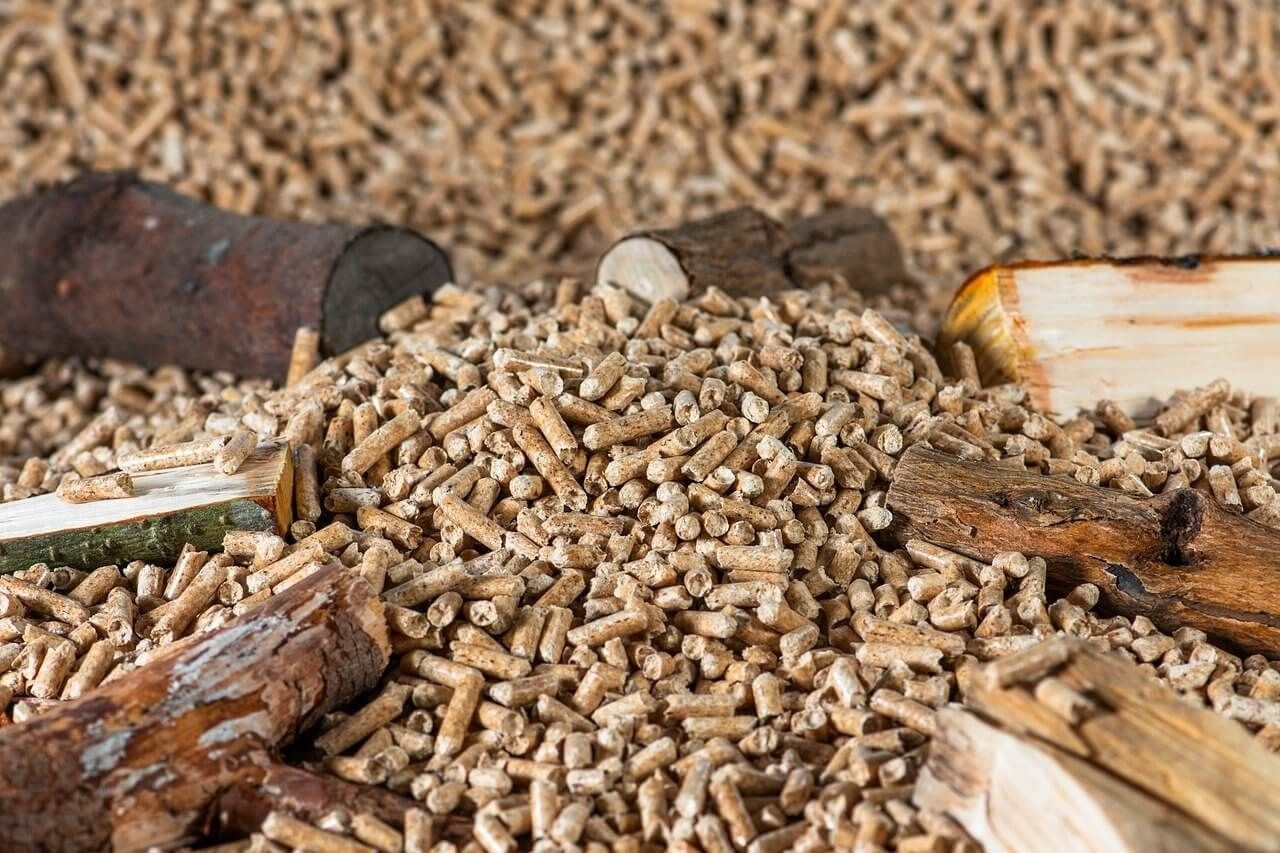
The price of their respective fuels is an essential factor when comparing a wood-burning stove vs. a gas central heating system.
If you were to buy all of the fuel you use for a wood-burning stove, you'd have two options: hardwood logs or pre-made wood pellets.
You don't have many gas options. Most systems are designed to work on propane or LPG gas, which means that you'll pay the current going rate for gas regardless of where you buy it.
Hardwood logs: £100-£200 per cubic meter
Wood pellets: £220-£300 per tonne
Propane/LPG Gas: ~£1,890 per year
One thing worth noting about these costs is that the average cost to heat a home using LPG for a whole year is nearly £2,000. However, the average household only uses around £200 of firewood to heat their home for a year with a modern wood-burning stove.
On the other hand, you can also save additional money by collecting firewood from rural areas or buying firewood from people you know who can access low-cost wood.
Maintenance Costs

The maintenance required to keep your heating system in good condition can also significantly impact the costs involved when comparing a wood burner vs. a central heating system.
When it comes to a wood-burning stove, the costs involved are quite low. Generally, you must pay for a yearly chimney sweep to ensure your flues are not clogged with debris and soot.
On the other hand, there is always the chance that the boiler might break in a central heating system. This generally means you have to replace the gas boiler every five to ten years. You may also need to pay for a service every year or couple of years.
If it comes down to it, you can always learn the necessary skills to clean out your chimney. However, as with installing a gas system, this type of central heating system must be serviced by a certified professional.
Chimney Sweep for Wood Stove: £50-80
Annual Boiler Service for Central Heating: £180-300
Gas Boiler Replacement: £300-2,000
Final Verdict
As you've probably determined by now, heating your home using gas is considerably more expensive than using a wood-burning stove.
Starting with the installation costs, which can be significantly reduced with a wood-burning stove (even though it costs less, to begin with), through the maintenance and running costs, you can save yourself well over £1,500 per year by choosing to use a wood-burning stove.
Considering simply the price of installation and replacing a boiler every few years, you can easily save an additional £3,000 to £7,000 in your lifetime.
Improved Property Values
Beyond the basic installation costs, maintenance costs, and fuel prices, there's another financial benefit to consider.
Installing a good heating system in your home will increase your property's overall value. While installing a heating system will be beneficial irrespective of the type you choose, prospective homeowners are more likely to opt for a home with a heating system that you can prove isn't expensive to run.
Whether you choose a gas or electric central heating system, the cost of running it is far more expensive than that of a wood-burning stove. As a result, if you decide to sell your home at any point, the installation of a wood-burning stove gives you an advantage over other homes with more expensive heating systems.
Environmental Benefits
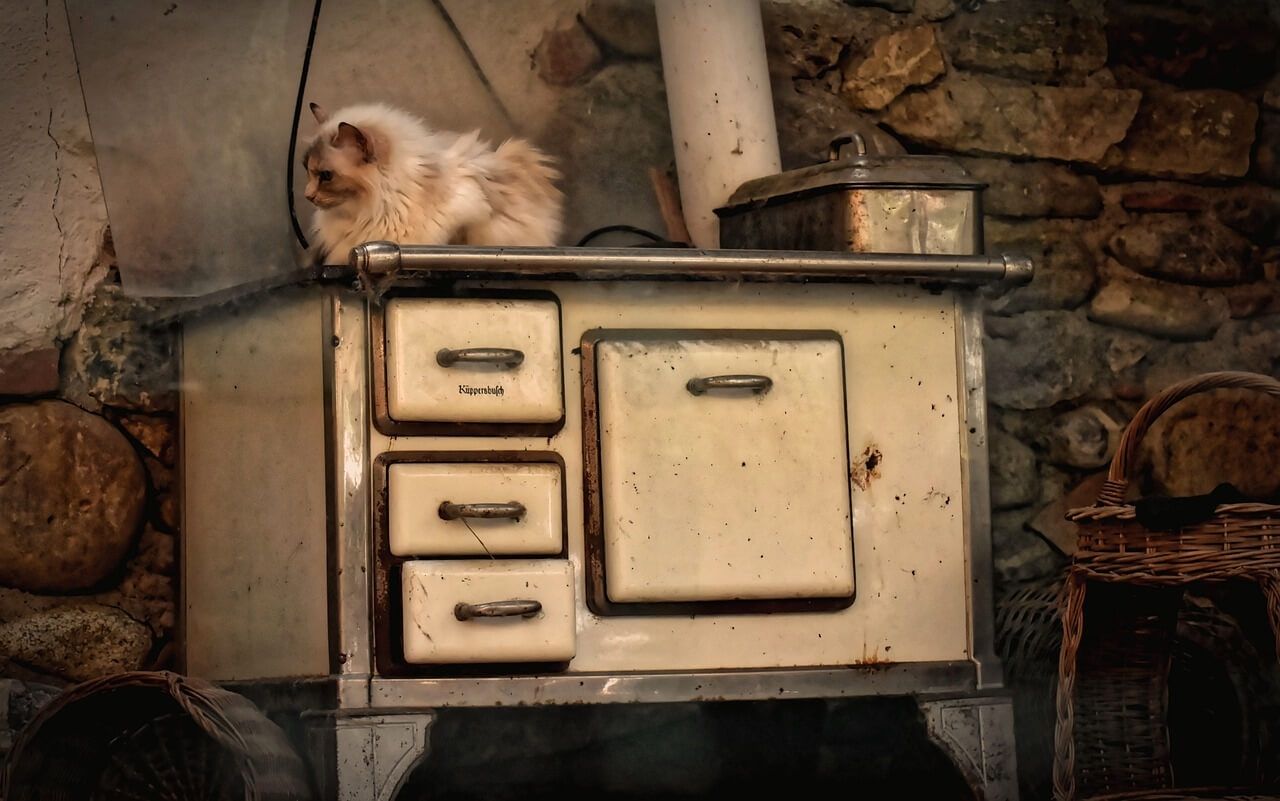
In addition to the obvious financial benefits that a wood stove offers, there are environmental factors to consider. Let's compare the environmental cost of a wood-burning stove vs. gas central heating.
Despite the many myths surrounding wood-burning stoves, using wood as a fuel source is a highly sustainable and renewable form of energy.
Much of the firewood used in the UK is produced in one of two sustainable ways. The first is from agroforestry operations, where certain branches and underperforming trees are removed regardless. The farm or forestry operation turns a waste product into a valuable resource by selling this wood as firewood.
The other place that firewood often comes from is from lots where trees are grown specifically to produce firewood. By consistently cutting down trees and replacing them with new trees to ensure a consistent source of firewood, these lots become an efficient carbon mine. This means that rather than consistently creating carbon without doing anything to counteract the effects, these firewood farms produced a renewable fuel source with a low or no carbon footprint.
Other environmental considerations include the process of mining LPG gas, known as fracking, which can have potentially devastating impacts on the environment. If something goes wrong during the extraction process, the gases can pollute water bodies both above and underground, rendering them permanently unusable.
Additionally, this gas can only be mined in certain areas, meaning it has to travel much further to be used as a fuel source, whereas wood can be produced locally.
Finally, when you use a proper modern wood-burning stove, your carbon emissions are much lower than when you burn gas.
Wood Burners vs Central Heating: Pros and Cons
| Wood-Burning Stove Pros | Central Heating Pros | Wood-Burning Stove Cons | Central Heating Cons |
| Lower running costs | Convenience and ease of use | More effort required to maintain fire | Consistent increases in fuel prices |
| Renewable and potentially carbon-neutral fuel source | Heats entire home evenly | Requires regular cleaning, and ash can be messy | Reliant on fossil fuels |
| Easier, more affordable installation | Must be installed by a certified professional | ||
| Can increase property values | Requires regular maintenance | ||
| Adds to a home’s atmosphere | Not suitable for all home layouts |
Saving Money on Wood Burner Running Costs
Even though a wood-burning stove is already considerably cheaper than running a central heating system, there are even more ways to lower costs. Here are a few tips to help you get the most bang for your buck.
- Use high-quality, seasoned hardwood logs with a low moisture content: Hardwood logs burn hotter and cleaner than softwood. This increases the heat output per log and reduces the amount of wood you need to buy overall. Dry, well-seasoned wood also burns cleaner and hotter, producing less emissions.
- Buy fuel in bulk: Most stores, including firewood suppliers, offer substantial discounts when you buy in bulk. Contact your local suppliers and find out if you can pay less by ordering your firewood for the year in advance.
- Keep your stove and chimney clean and well-maintained: When your wood-burning apparatus is in good shape, it burns more efficiently, reducing emissions and fuel spending.
- Spend money on insulation to save on fuel: When your home is well insulated, it requires less heat (and consequently fuel) to keep the space warm. This means that it’s well worth investing in a decent insulation installation.
- Practice efficient burning techniques: There are different ways of loading your stove and burning wood which can make your wood-burning stove more efficient. For instance, using a good, dry, high-quality kindling can help make your stove more efficient. Another big one is to not overload your stove, since it reduces its efficiency.
Final Thoughts
"Is a log burner cheaper than gas central heating?" Absolutely, without a shadow of a doubt. If you want the best solution for both the environment and your wallet, consider installing a wood-burning stove. And if you need to get your chimney into shape before doing so, look at our easy-to-install DIY chimney flue kits.


