
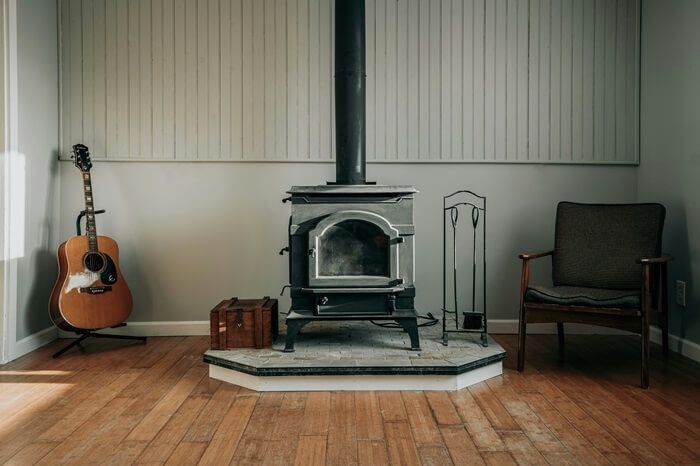
Installing a wood burning stove can significantly enhance your home’s warmth and ambiance. Proper wood stove installation is crucial for safety and efficiency, whether you choose an internal or external flue system. Learn more about the Wood Burning Stove Installation Cost to plan your project effectively. This guide will walk you through the entire wood stove installation process, from planning and preparation to the final steps, ensuring you can enjoy your stove with confidence.
This guide will walk you through the entire wood stove installation process, from planning and preparation to the final steps, ensuring you can enjoy your stove with confidence.
Choosing the Perfect Spot for Your Wood Stove
Before starting the wood stove installation, ensure you have the necessary permissions and follow local regulations. Choose an appropriate location for your stove, ensuring it has enough clearance from combustible materials and sufficient ventilation. Our specialists are here to assist you in selecting the ideal location for your wood stove. Additionally, we offer expert guidance on choosing and installing your wood stove and flue system, ensuring a seamless and efficient setup.
Planning Permission
Do you need planning permission?
Apply for a planning permission
Building Control
Choosing the Flue System
You have three main options for the flue system: internal (through the house), external (along the exterior wall), or renovating an existing masonry chimney with a flexible flue liner. Each method has its own advantages and considerations.
Internal Flue System
- Ideal for retaining more heat within the property.
- Involves running the flue pipe vertically through the house, passing through ceilings and roof.
- Requires careful planning to avoid obstructions and ensure proper insulation.
External Flue System
- Easier to install in many cases.
- The flue pipe runs vertically up the exterior wall.
- Needs brackets to secure the flue to the wall and insulation to prevent condensation.
Flexible Flue Liner in Existing Chimney
- Suitable for renovating old masonry chimneys.
- Involves installing a flexible liner within the existing chimney structure.
- Improves the safety and efficiency of the chimney system.
How is a Wood Burning Stove Installed?
Marking and Measuring
Identify the exact path of the flue, marking the positions for wall thimbles, brackets, and where the flue will exit the building. Accurate measurements are crucial for a successful wood stove installation.
Installing the Wood Burning Stove
Position the stove according to the manufacturer's guidelines. Ensure that the stove is placed on a non-combustible hearth and has the recommended clearance from walls and furniture. Proper positioning is key to a safe and efficient wood stove installation.
Installing the Flue System
Internal Flue
For an internal flue system, start by cutting holes in the ceiling and roof for the flue pipe. Ensure a secure fit with thimbles and fire stops. Install the flue sections, securing them with brackets and sealing the joints. This method requires careful planning to avoid obstructions and ensure proper insulation. For detailed instructions, see this internal flue system installation guide.
External Flue
To install an external flue, attach the flue pipe to the stove and lead it to the external wall. Secure the flue with wall brackets as it runs vertically up the wall, then install the top section to extend above the roofline. This method is generally easier to install. For more information, see this external flue system installation guide.
Flexible Flue Liner
For a flexible flue liner, insert the flexible liner into the existing chimney, ensuring it is properly secured and sealed. This method is ideal for renovating old masonry chimneys and improves the safety and efficiency of the chimney system. Detailed instructions can be found in this flexible flue liner PDF guide.
Finishing Touches
- Seal all joints and connections to prevent leaks.
- Install a chimney cap to keep out rain and debris.
- Perform a draft test to ensure proper ventilation and operation of the stove.
Safety and Maintenance
Regularly inspect and clean your stove and flue to prevent soot buildup and ensure efficient operation. Consider installing carbon monoxide detectors for added safety. Routine maintenance is essential to prolong the life of your stove and ensure a safe wood stove installation.


