
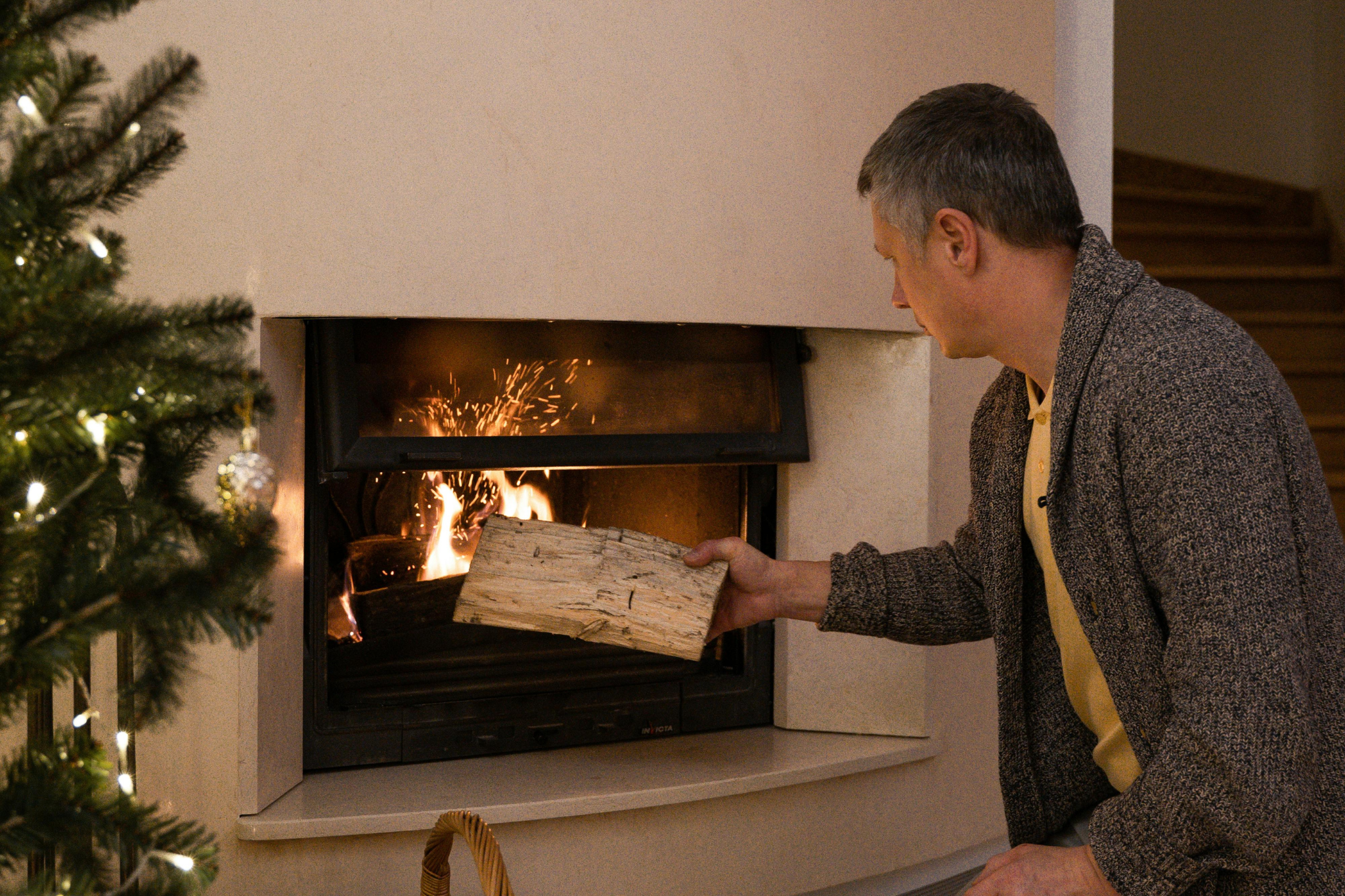
Thinking about adding a wood-burning stove to your home? It’s a fantastic way to create a warm, inviting atmosphere while keeping your energy bills in check. But before you get too cozy with the idea, there’s one important question: how much does it cost to install a wood burner in 2025?
While the price of the stove itself is a key factor, it’s only part of the story. You’ll also need to consider installation costs, materials, labor, and any additional work needed to get your stove up and running safely. If this is your first time dealing with a log burner installation, the process might feel a little overwhelming—but don’t worry, we’ve got you covered.
In this guide, we’ll break down everything you need to know about the cost of installing a wood-burning stove in 2025, from the initial setup to ongoing maintenance. We’ll cover typical expenses for different stove types, the price of professional installation, and even the long-term costs to keep your stove running efficiently.
Plus, we’ve included some of our top stove recommendations to help you find the perfect model for your budget.
Keep reading, and by the end, you’ll have a clear picture of what to expect when it comes to log burner installation costs in 2025—so you can plan your project with confidence!
How Much Does Installing a Log Burner Cost?
On average, the cost of installing a wood-burning stove ranges between £700 and £3,500. The final price you’ll pay depends on various factors related to both the stove and your home’s existing setup.
Several key elements can influence the overall log burner installation cost, such as:
- Type of Stove: The design, size, and efficiency of the stove can significantly impact the price.
- Installer Fees: Costs can vary depending on the experience and certification of the installer.
- Existing Chimney: If your home already has a suitable chimney, installation will generally be more affordable.
- Chimney Lining: If the chimney needs to be lined for safety and efficiency, this adds to the total cost.
- Hearth Installation: If you require a new hearth, this will be an additional expense.
Here’s an overview of the typical costs based on different installation scenarios:
| Installation Type | Average Cost |
|---|---|
| Wood burner with an existing chimney | £700 - £2,000 |
| Wood burner with a new fireplace | £1,000 - £3,000 |
| Wood burner with a new chimney/flue | £1,500 - £3,500 |
When planning your woodburner installation, it’s always a good idea to get quotes from multiple professionals to compare prices. This helps ensure you’re getting a fair deal and allows you to factor in any additional work specific to your home.
Choosing the Right Stove for Your Home
When planning a woodburner installation, one of the most important decisions you’ll make is choosing the right stove for your space. The type of stove you select can significantly affect the overall installation cost, as prices range from a few hundred to several thousand pounds. How much you spend will largely depend on your personal preferences, budget, and the specific needs of your home.
Key Factors to Consider When Choosing a Stove:
- Room Size: The size of the room where you plan to install the stove is critical. A stove that’s too small won’t provide enough heat, while an oversized stove can overheat the space.
- Fuel Type: Will you burn wood exclusively, or are you considering multi-fuel options like smokeless coal? Multi-fuel stoves often have a higher upfront cost but offer more flexibility.
- Style and Design: Whether you prefer a traditional cast-iron stove or a sleek, modern design, the aesthetic can influence the price.
- Existing Fireplace Dimensions: If you’re fitting the stove into an existing fireplace, its size will determine the models that can fit without extensive modifications.
How to Choose the Right Heat Output (kW Rating):
To ensure your stove heats your room efficiently, you need to select the correct heat output, measured in kilowatts (kW). Here’s a simple formula to estimate the output you’ll need:
Room Width (m) × Room Length (m) × Room Height (m) ÷ 14 = Required kW Output
- Small Rooms (up to 50m³): 3–4 kW
- Medium Rooms (50–100m³): 5–8 kW
- Large Rooms (100m³+): 8 kW and above
Choosing the right kW output ensures the room stays comfortably warm without wasting fuel or creating excess heat.
Pro Tip:
Make a list of your must-haves before shopping for a stove. Consider the heat output, design, fuel type, and space requirements to narrow down your options. Need help choosing? Our expert team is just a call away to help you select the perfect stove for your home, tailored to both your aesthetic preferences and heating needs.
Getting Your Home Ready for a Wood Burner
Before you can enjoy the warmth and ambiance of your new wood-burning stove, it’s important to prepare your home properly. The condition of your existing setup—or the need to create one from scratch—can significantly affect your overall woodburner installation cost.
No Chimney? No Problem, But It Will Cost More
If your home doesn’t have an existing chimney, you’ll need to install a suitable flue or chimney system to ensure your stove operates safely. This can add an extra £1,000 to £2,000 to your installation costs. One of the most common solutions for homes without a chimney is a twin-wall flue system, which can be routed through an external wall or roof, offering flexibility in stove placement.
Already Have a Chimney? Here’s What You Need to Know
Even if your home has a chimney, it might not be ready for immediate use. If the chimney hasn’t been active for some time, you’ll need to have it professionally swept to clear out any soot, debris, or potential blockages. A chimney sweep typically costs between £50 and £100, depending on your location.
Older chimneys may also require a liner to improve safety and efficiency. Chimney liners help create a better draft, reduce the risk of chimney fires, and protect the masonry from heat damage. The cost of installing a liner usually ranges from £500 to £1,000, depending on the size and type of liner needed.
Other Preparation Costs to Keep in Mind:
- Hearth Installation: If you don’t have an existing hearth, installing one can cost between £200 and £500, depending on the materials and design.
- Fireplace Alterations: If your current fireplace is too small or needs structural adjustments, expect additional costs.
- Ventilation Requirements: Stoves with higher heat output may require additional ventilation to meet building regulations, which can add to your expenses.
Proper preparation not only ensures your stove operates safely and efficiently but also helps you avoid unexpected costs down the line. Need advice on preparing your home for a stove? Our expert team is always ready to help you plan every detail of your installation.
Discover the Best Wood Burning Stoves for Maximum Value
When selecting a wood-burning stove, it's essential to consider both performance and value. At Flue-Pipes.com, we've curated a selection of stoves that offer exceptional efficiency and affordability. Here are our top four recommendations:
Farrow 5kW Multi-Fuel Stove
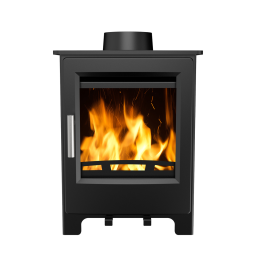
The Farrow 5kW multi-fuel stove is designed for smaller spaces, fitting seamlessly into standard openings. Its traditional design with a contemporary touch makes it suitable for various interiors. Features include DEFRA approval for use in smoke control areas, an air wash system to keep the glass clear, and options for top and rear flue outlets. Constructed with a durable steel body and cast iron door, it ensures longevity and efficient heating.
Birchley Wide 5kW Wood Burning Stove
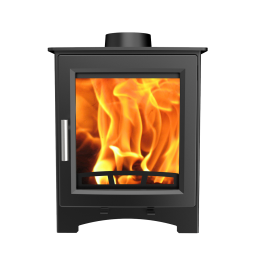 The Birchley Wide 5kW wood burning stove offers a modern aesthetic with a large viewing window, providing an impressive flame display. It's DEFRA approved and features a direct air intake for improved efficiency. The built-in air wash system maintains clear glass, and with top or rear outlet options, installation is flexible. An optional multi-fuel kit allows for versatility in fuel choice.
Handale 5kW Multi-Fuel Stove
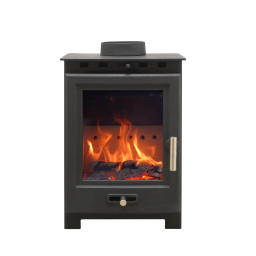 Combining traditional styling with modern features, the Handale 5kW multi-fuel stove is ideal for smaller rooms. It boasts a large Schott Robax glass door for a stunning flame view and offers precise control of the primary air intake. Eco Design 2020 compliant and DEFRA approved, it ensures environmental performance and suitability for smoke control areas.
Langley 5kW Multi-Fuel Stove
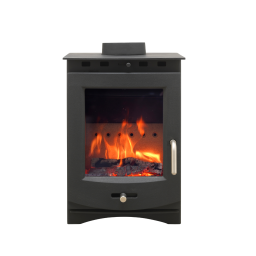 The Langley 5kW multi-fuel stove blends classic design with contemporary aesthetics, making it versatile for various interiors. It features a large glass door, air wash system, and options for top and rear flue outlets. Compliant with Eco Design 2020 and DEFRA approved, it provides efficient heating while adhering to environmental standards.
Each of these stoves offers a balance of quality, efficiency, and value, ensuring you get the most for your investment. Explore these options to find the perfect fit for your home.
How Much Does Labour Cost for Installing a Wood Burner?
The cost of labour to install a wood-burning stove largely depends on the complexity of the job and the existing setup in your home. If you already have a chimney system and a suitable fireplace, a standard installation typically takes 1–2 days. However, for more extensive projects, such as complete renovations, the installation can take 5–7 days, involving additional work and higher costs.
Impact of Having (or Not Having) a Chimney
Whether your home has an existing chimney significantly affects the labour cost. If there’s no chimney, the installer will need to fit a twin-wall flue system, which acts as an alternative chimney. This ensures that smoke and toxic gases are safely vented outside.
A twin-wall flue is a metal piping system purchased separately from the stove. On average:
- Single-storey twin-wall flue kits cost around £770–£1,100 (with 10% added to the original estimate).
- Complete twin-wall flue installations, covering all extra materials, can cost around £2,200, according to Checkatrade.
Labour Costs Breakdown:
| Job Description | Average Labour Cost |
|---|---|
| Installation with existing chimney (liner + stove connection) | £715 |
| Installation of a stove with twin-wall flue (no existing chimney) | £1,100 |
| Installer day rates | £130 – £220 |
Other Factors Affecting Labour Costs:
- Location: Labour rates vary depending on where you live. Urban areas tend to have higher rates compared to rural regions.
- Installer Expertise: Hiring a certified, experienced installer might cost more upfront but ensures safety and compliance with regulations.
- Additional Work: If chimney sweeping, lining, or hearth installation is required, this will add to the overall labour costs.
When budgeting for your woodburner installation, always request detailed quotes from multiple professionals to compare prices and services. This will help you get the best value for your investment while ensuring a safe and efficient installation.
Does My Chimney Need a Chimney Liner?
When installing a wood-burning stove, a chimney liner is often essential for ensuring both safety and efficiency. Chimney liners play a critical role in preventing toxic emissions from seeping through gaps in the brickwork and entering your home. They also help reduce the risk of chimney fires by containing high temperatures and flammable byproducts within a controlled space.
When Do You Need a Chimney Liner?
You’ll likely need to have your chimney lined or re-lined if:
- You live in an older property without a modern chimney liner, as older chimneys often have cracks or structural weaknesses.
- Your existing liner is damaged, which can compromise its ability to contain heat and prevent harmful gases from escaping.
- The current liner was designed for a gas fire, as these liners are not suitable for the higher temperatures produced by wood-burning stoves.
What Type of Liner Is Used?
For most woodburner installations, a flexible metal flue liner is the go-to choice. It’s designed to fit inside an existing brick chimney, creating a sealed passage for smoke and gases to escape safely.
How Much Does a Chimney Liner Cost?
The cost of installing or replacing a chimney liner can vary based on the size and type of liner required. On average, you can expect to pay between £360 and £495 for a flexible metal flue liner.
Why It’s Worth the Investment:
While adding a liner might seem like an extra expense, it’s a crucial investment in your home’s safety. A properly lined chimney improves the efficiency of your wood burner, reduces heat loss, and helps prevent dangerous creosote buildup that could lead to chimney fires.
If you’re unsure whether your chimney needs a liner, our expert team is here to help. Contact us for advice tailored to your specific home and stove setup.
Potential Additional Costs to Consider
When planning your woodburner installation, it’s important to remember that the total cost can extend beyond just the stove and basic setup. Depending on your home’s unique requirements, you may need to budget for additional items that enhance safety, efficiency, and long-term performance.
Here are some common extras you might encounter:
| Job | Average Cost |
|---|---|
| Chimney Sweep | £55 |
| Chimney Cowl | £77 |
| Carbon Monoxide Detector | £33 |
| Hearth Installation | £220–£550 (depending on material and size) |
| Fireplace Alterations | £300–£1,000 (for resizing or structural work) |
| Twin-Wall Flue System | £1,100–£2,200 (if no existing chimney) |
| Stove Thermometer | £20–£35 (Helps maintain optimal burning temps) |
| Heat-Resistant Plaster or Boards | £100–£300 (for wall protection) |
| Register Plate | £80–£150 (seals off unused parts of the chimney) |
| Log Storage or Log Holder | £50–£150 (for proper wood storage) |
| Air Vent Installation | £100–£250 (required for larger stoves) |
| Stove Pipe Adapter/Connector | £40–£90 (for connecting the stove to the flue) |
| Glass Cleaning Kit (for stove doors) | £10–£20 (to keep the glass clear) |
| Moisture Meter | £15–£30 (Ensures your wood has less than 20% moisture) |
Why These Extras Are Important:
- Hearth Installation: A non-combustible base is essential for safety, especially if your floor isn’t fire-resistant.
- Fireplace Alterations: If your fireplace opening isn’t the right size, structural changes may be required.
- Twin-Wall Flue System: Needed for homes without an existing chimney to ensure proper ventilation.
- Stove Thermometer: Helps maintain optimal temperatures, improving efficiency and reducing creosote buildup.
- Register Plate: Improves efficiency by preventing heat loss up the chimney in open fireplaces.
- Moisture Meter: Ensures your firewood is properly seasoned, maximizing heat output and reducing smoke.
Considering these potential extras will help you plan a more accurate budget for your log burner installation and avoid unexpected costs. Need advice on what’s essential for your setup? Our team is here to help!
Do I Need Ventilation for My Wood Burner?
When installing a wood-burning stove, proper ventilation is a crucial factor to consider. Without adequate airflow, your stove won’t function efficiently, leading to issues like poor combustion, smoke entering your home, and even safety risks related to carbon monoxide buildup.
Why Is Ventilation Important?
Good ventilation ensures that your stove receives enough fresh air to support combustion and helps expel flue gases safely through the chimney or flue system. Without proper airflow:
- Your stove may struggle to light.
- Smoke can backdraft into your home, creating an unpleasant and potentially hazardous environment.
- Inefficient burning can lead to increased creosote buildup, raising the risk of chimney fires.
When Is Ventilation Required?
- For Homes Built After 2008:
UK building regulations require dedicated ventilation for any stove installed in homes built after 2008, regardless of the stove’s heat output. This is because newer homes are often more airtight due to improved insulation standards. - For Homes Built Before 2008:
If your stove has a heat output of over 5kW, additional ventilation is mandatory. For stoves with an output of 5kW or less, existing natural airflow may be sufficient, but this should be confirmed by your installer.
How Is Ventilation Installed?
Many modern stoves are designed with options for external air supply, improving efficiency without compromising indoor air quality. Here’s how ventilation is typically managed:
- External Air Kits: Some stoves come with an external air kit that connects directly to the stove, supplying fresh air from outside.
- Air Vents: A vent should be installed as close to the stove as possible, ideally positioned at an angle to prevent blockages from debris.
- Placement: Vents can be installed in the floor, wall, or ceiling, depending on your home’s layout and the stove’s requirements.
How Much Does Ventilation Cost?
If additional ventilation is needed, it’s often included in the overall woodburner installation process. However, installing a dedicated air vent can add £100–£250 to your installation costs, depending on the complexity of the job.
Final Tip:
While ventilation may seem like an extra hassle, it’s essential for both safety and stove performance. If you’re unsure whether your home requires additional ventilation, speak with our expert team—we’re happy to help you find the best solution for your setup.
Chimney Maintenance Costs
When thinking about chimney maintenance, you might picture Mary Poppins singing “Chim-Chim-er-ee”, but chimney sweeping is far from a thing of the past. In fact, as log burners become increasingly popular, chimney sweeping remains a vital and relevant service for modern homes.
Once your wood-burning stove is installed, regular chimney maintenance becomes an essential part of keeping your home safe and efficient. Failing to maintain your chimney can lead to the buildup of creosote, which significantly increases the risk of chimney fires.
Why Chimney Sweeping Is Important
Regular chimney sweeping helps to:
- Prevent flue fires caused by creosote buildup.
- Improve stove efficiency by ensuring clear airflow.
- Remove toxic emissions and reduce the risk of carbon monoxide buildup.
The Stove Industry Alliance (SIA) recommends having your chimney swept at least once a year. However, if you use your stove regularly, especially during the colder months, it may be beneficial to schedule more frequent cleanings.
When Is the Best Time to Sweep a Chimney?
The ideal time to have your chimney cleaned is:
- Before the start of winter, to ensure it’s ready for regular use.
- After a long period of disuse, such as after the summer months.
How Much Does a Chimney Sweep Cost?
On average, you can expect to pay around £55 for a standard chimney sweep. The cost may vary slightly depending on your location and the condition of your chimney.
Investing in regular chimney maintenance not only helps extend the life of your stove but also keeps your home safe and your heating system running efficiently.
Stove Fuel Costs
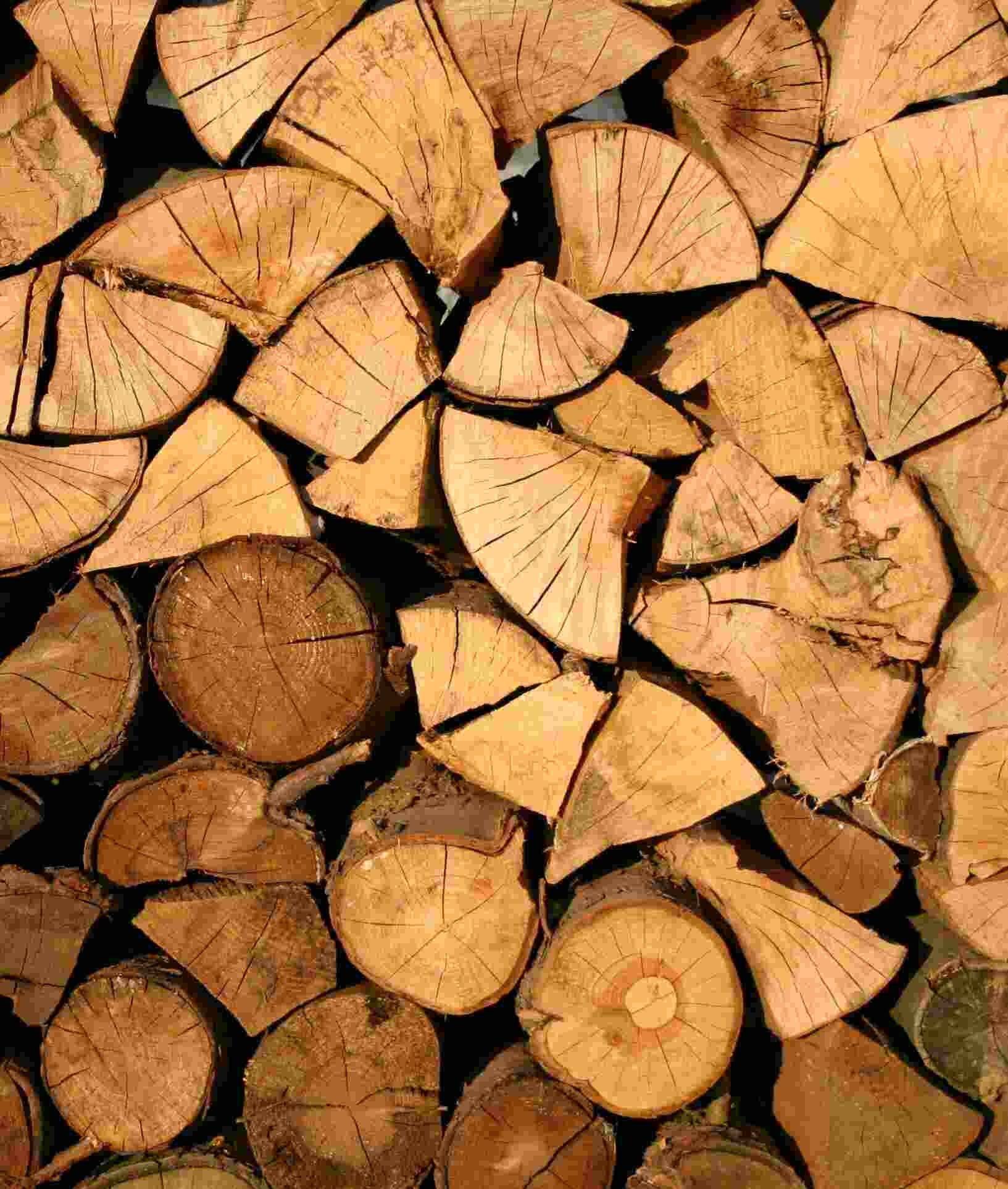
The cost of running your wood-burning stove largely depends on where and how you source your firewood. If you have access to free or inexpensive freshly cut wood and are willing to season it yourself, your fuel expenses will be minimal. However, if you prefer the convenience of purchasing ready-to-burn wood, the type and quality of the fuel will influence the overall cost.
Updated Average Fuel Costs:
| Fuel Type | Average Cost |
|---|---|
| Wood Pellets | £132 per cubic metre |
| Kiln-Dried Logs | £148 per cubic metre |
| Seasoned Logs | £128 per cubic metre |
| Briquettes | £165 per cubic metre |
How Much Fuel Will You Need?
On average, a typical stove owner uses around 3–4 cubic metres of wood per year. However, this can vary depending on:
- How often you use your stove
- The efficiency of your stove model
- The size of the area you’re heating
Freshly Cut vs. Seasoned Wood:
While freshly cut logs are often cheaper, they require proper seasoning before they’re suitable for burning. Burning wet or unseasoned wood can lead to:
- Poor heat output
- Excessive smoke
- Creosote buildup in your chimney
To get the best performance and efficiency from your stove, always ensure your wood has a moisture content of 20% or less. If you’re unsure, using a moisture meter can help you determine if your wood is ready to burn.
Planning ahead for your fuel needs can help you save money and ensure you have a steady supply of wood throughout the heating season.
Final Thoughts: Plan Your Wood Burner Installation with Confidence
Installing a wood-burning stove is not just an investment in warmth and comfort—it’s a step toward greater energy efficiency and long-term cost savings. While the initial installation costs can vary depending on factors like stove type, home modifications, and labour, understanding these expenses upfront helps you plan effectively.
From choosing the right stove to maintaining your chimney and managing fuel costs, we’ve covered all the essential aspects to guide you through the process. Whether you’re installing a stove for the first time or upgrading your current setup, careful planning ensures both safety and efficiency in the long run.
Don’t forget to factor in additional costs like ventilation, chimney maintenance, and fuel to get a complete picture of your budget. These considerations will help you avoid unexpected expenses and ensure your stove operates at its best.
Need expert advice on selecting the perfect wood burner or planning your installation? Contact our knowledgeable team or explore our range of high-quality wood-burning stoves designed to suit every home and budget.


