
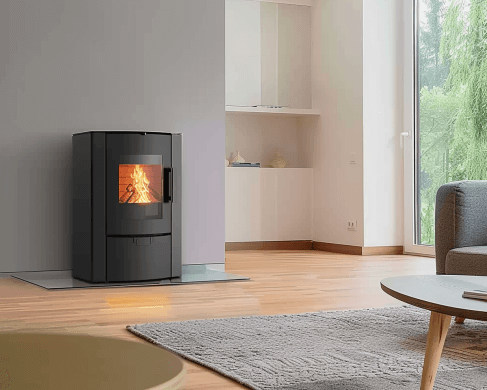
The short answer is no, you don’t need a chimney for your pellet stove. However, there’s more to it than that. This is one of the most common questions we get about pellet stove chimney arrangements.
Read MoreBlog - Knowledge Base about Flue Pipes
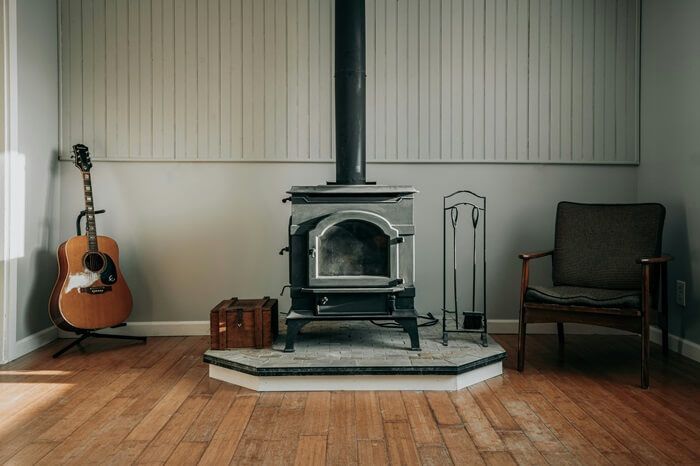
Wood-burning stoves have become a popular heating option for many households, thanks to their ability to provide reliable warmth with a cosy ambience. Flue pipes are an important aspect of stove installations, enabling the safe removal of dangerous smoke and gases from your home.
Read More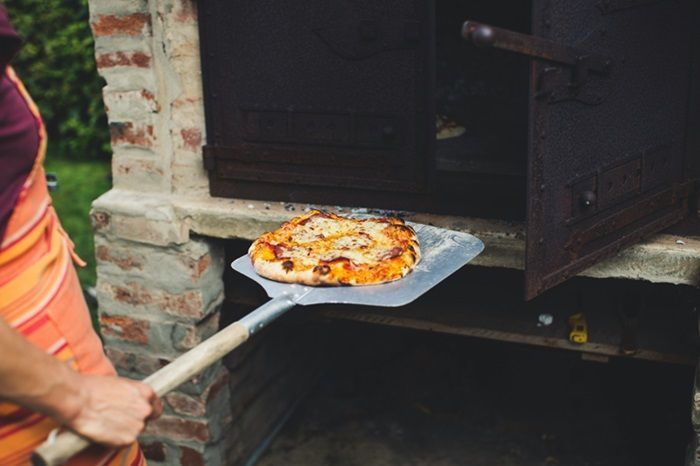
The last thing you want on your patio baking genuine Italian pizza is smoke filling out the air. The culprit? The lack of the right flue. Venting your pizza oven with a chimney is as equally important as venting your home chimney. The fumes are kept out of the way, and your oven burns evenly and efficiently. And most importantly, your pizza is never tainted.
Read More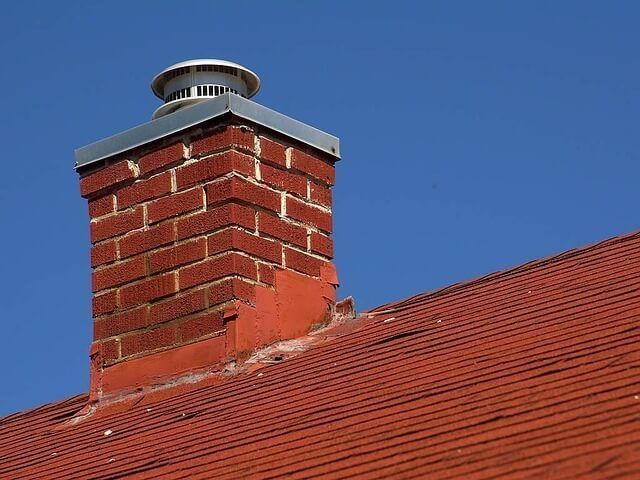
A proper chimney cowl is an important piece of the puzzle. It keeps your stove running smoothly, prevents animals from nesting in your chimney, and maintains adequate chimney draft – all of which play significant roles in keeping your heating system efficient and safe.
Read More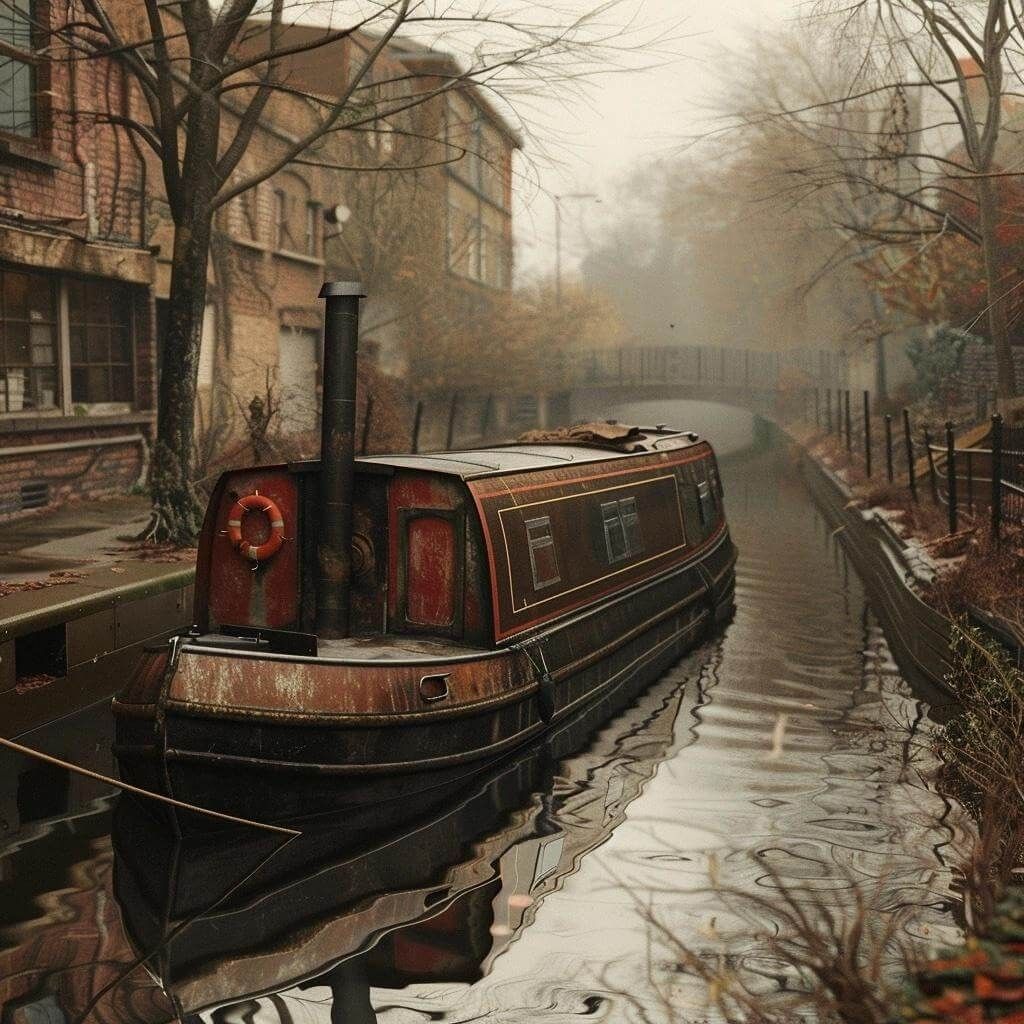
There's something undeniably idyllic about chugging along the tranquil waterways of a canal. But let's face it, all that serene water surrounding you can also act as a powerful heat sink, leaving you yearning for warmth on those chilly evenings.
Read More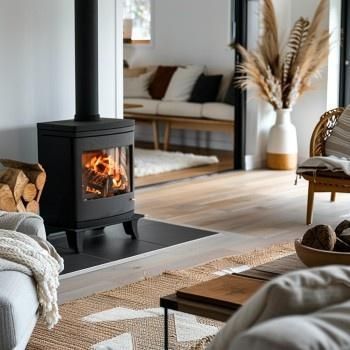
So, you've been dreaming about a cosy wood-burning stove, haven't you? You've seen them in your friends' homes and admired them in glossy magazines and lifestyle websites. And now, you've finally decided to go for it and get one for yourself.
Read More
As the weather gets warmer and warmer, there is no better time to mend a chimney. Letting go of worn components and replacing them with newer and more durable parts is more often than not a common routine of chimney repairs.
Read More
When assembling a chimney, it is amazingly important to remember to take all the necessary steps to make it as safe as possible.
Read More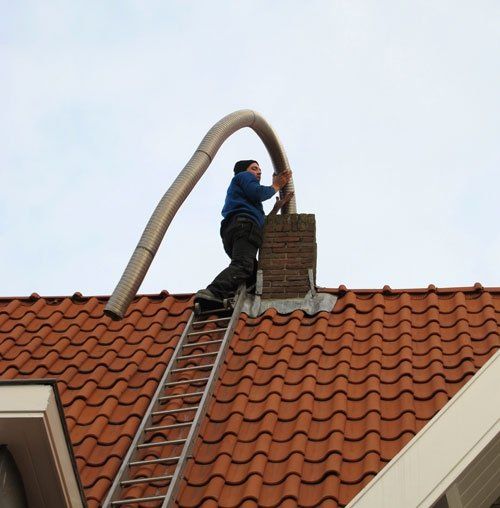
If you install a chimney liner into an existing chimney, be sure to get the chimney cleaned first, as this will ensure there is no residual soot or other obstructions that could create difficulties with the installation.
Read More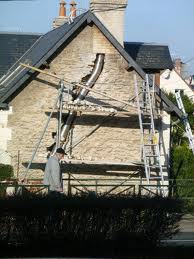
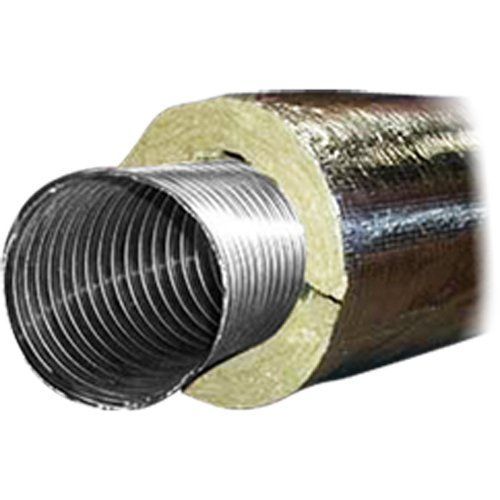
Flue liner insulation will improve the draw significantly.
Choosing the right product and technique to insulate a chimney liner is a big step in maintaining a safe and efficient home heating system.
Read More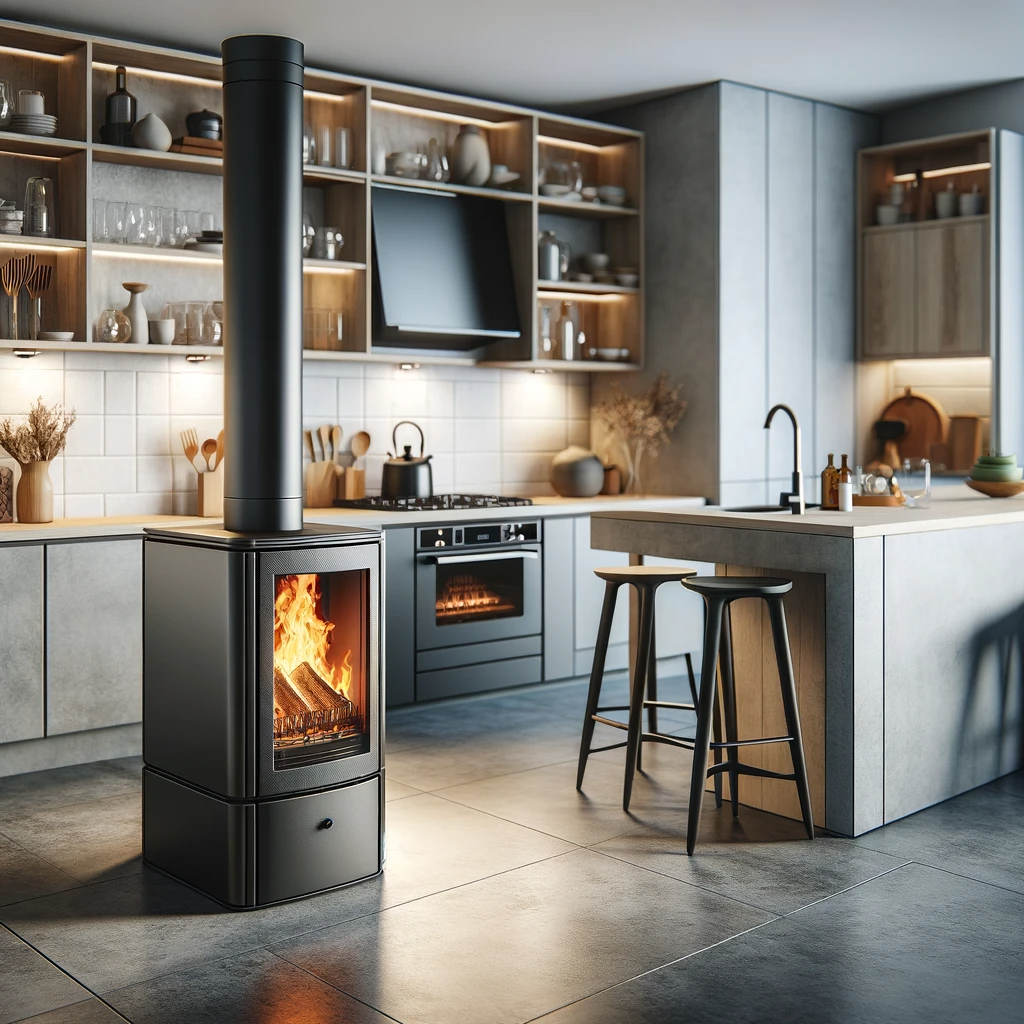
An internal flue system is kept warmer than an external one and, therefore, keeps the flue gases hotter, resulting in better draw and fewer tar deposits. It is cheaper, quicker, and easier to install an internal twin wall flue system than an external twin wall flue system.
Read MoreBrows posts by category:


